IN Brief:
- The platform combines lot-level forward traceability with backward chain-of-custody data and natural-language querying.
- Automated workflows cover supplier onboarding, monitoring, assessments, evidence requests, follow-ups, and corrective actions.
- TrusTrace says its data foundation now spans more than 120,000 suppliers across over 80 countries.
TrusTrace has launched a supply-chain intelligence and compliance platform that combines lot-level traceability data, natural-language querying, and automated supplier workflows within a common operating environment.
The platform is being introduced in phases from September following a year of development and validation with several global brands. The first release focuses on Supply Chain Intelligence, allowing users to question information covering suppliers, facilities, products, materials, and relationships across the supply network rather than relying exclusively on predefined reports.
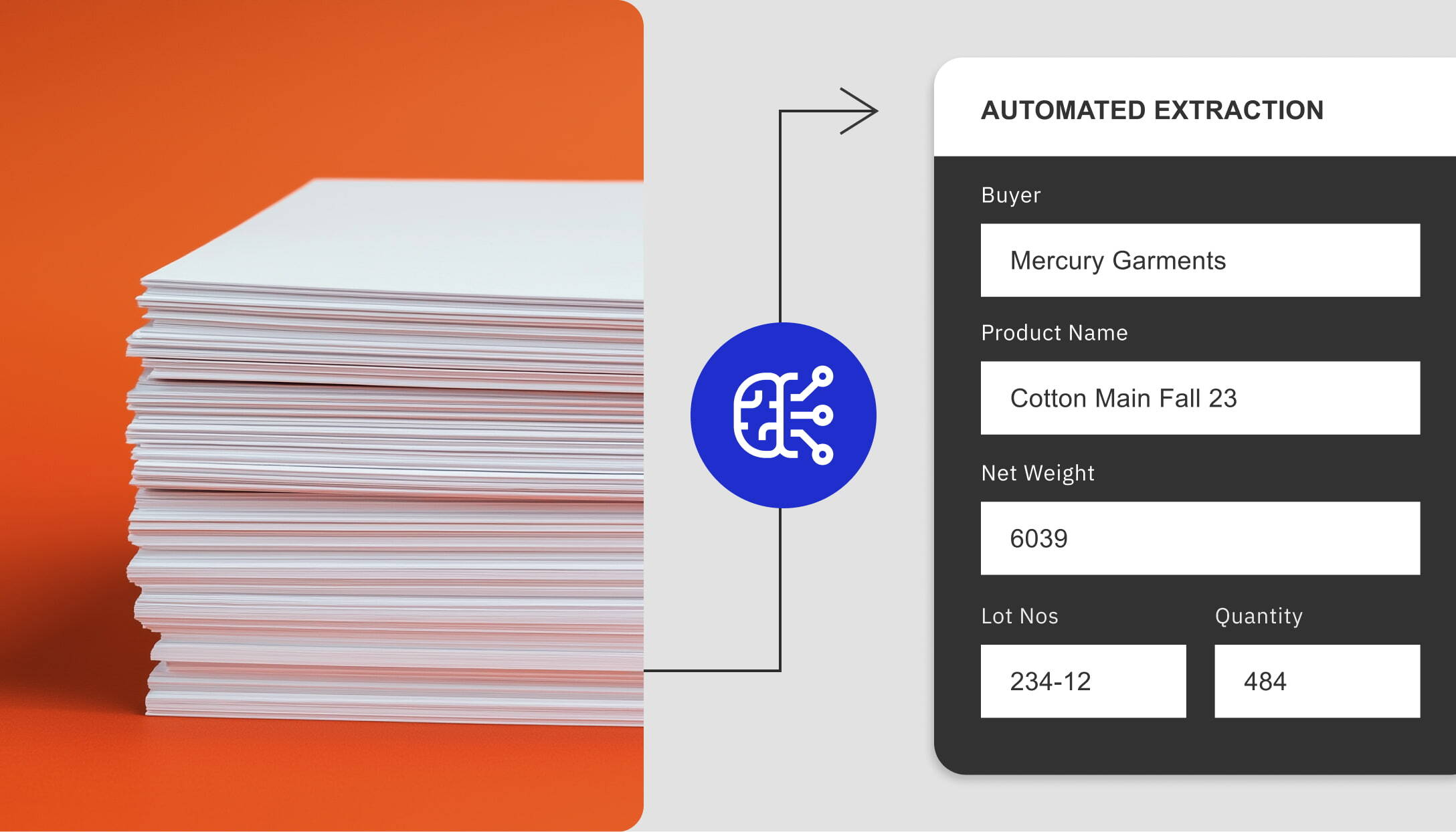
At the data layer, TrusTrace combines real-time lot-level forward traceability with AI-supported backward chain-of-custody information across different materials and sourcing models. Suppliers can submit information in different formats and languages, after which the system is designed to extract, validate, and connect it to a reusable data foundation.
That structure is intended to reduce repeated collection of the same evidence across separate compliance programmes. Supplier records, facility data, certificates, product information, and transaction evidence can otherwise be requested several times by different teams, leaving suppliers to complete overlapping exercises while compliance staff reconcile the resulting documents manually.
Supply Chain Intelligence places a natural-language interface above those records. Users can ask questions across the supply network and generate reports based on information already held in TrusTrace, with the system intended to surface gaps, patterns, and relationships without requiring every enquiry to be constructed as a predefined dashboard.
Later phases are planned to add regulatory and enterprise intelligence, linking external requirements and internal company policies with the underlying supply-chain data. The intended model is to identify which requirements apply to a product or supplier and then connect any missing evidence with the workflow required to obtain or correct it.
The launch also adds a programme builder and orchestrator for Supplier Compliance. Processes including vendor onboarding, continuous monitoring, assessments, evidence requests, follow-ups, and corrective actions can be configured within the platform rather than managed through separate spreadsheets, email chains, and task systems.
Product Compliance uses the same underlying records to assess whether individual products meet applicable requirements and to retain the evidence supporting that conclusion. TrusTrace is therefore bringing Supplier Compliance, Supply Chain Intelligence, and Product Compliance together around one data foundation rather than treating them as disconnected applications.
The approach reflects the growing administrative load created by supply-chain regulation. Rules increasingly require businesses to demonstrate not only that a policy exists, but where goods and materials came from, which facilities handled them, and which documents support the claim being made.
Europe’s Packaging and Packaging Waste Regulation has already turned packaging conformity into a supplier-evidence and document-control exercise, requiring manufacturers to maintain technical documentation that remains connected with specifications, testing, materials, and design changes. Other regulations create different obligations, but the underlying data problem is similar: evidence has to remain associated with the physical product and the suppliers behind it.
The difficulty increases rapidly with network depth. A company may have reliable records for its immediate supplier while holding much weaker information on upstream processors, subcontractors, material origins, or production facilities. Building a chain of custody therefore depends on identifiers and evidence surviving several commercial and physical hand-offs.
TrusTrace says its current data foundation spans more than 120,000 suppliers across more than 80 countries. At that scale, manual collection and follow-up become constraints in their own right, particularly when one supplier supports several products or regulatory programmes.
The company says a new programme can be configured in as little as three days, with the first supplier-data request issued during the first week. Those figures describe the platform’s deployment capability rather than a fixed implementation timetable for every customer, whose existing data, supplier readiness, system integrations, and policy structure will vary considerably.
Automation also shifts rather than removes the requirement for human review. Software can handle repetitive collection, reminders, extraction, and first-pass validation, but ambiguous evidence, commercial exceptions, and corrective actions still require judgement, particularly where a sourcing or market-access decision depends on the result.
The quality of that judgement remains tied to the source information. A natural-language interface can make complex records easier to interrogate, but it cannot turn an incorrect supplier identity, expired certificate, or incomplete chain-of-custody record into reliable evidence. The platform therefore has to retain the connection between generated insight and the underlying documents from which it was derived.
TrusTrace’s current product material places that audit trail at the centre of its traceability proposition, with forward and backward tracing across supplier, material, style, and shipment data. The new intelligence layer extends that structure into questions and automated workflows rather than replacing the traceability records beneath it.
The platform will now be tested on whether those workflows reduce the administrative burden without weakening evidence control. Natural-language access may speed up investigation, but the operational gain comes when a detected gap leads directly to an assessment, supplier request, corrective action, or product-level compliance decision.
As the regulatory and enterprise-intelligence phases are added, the harder task will be keeping the common data foundation consistent while more rules, products, and supplier programmes depend on it. The technology can make a large supply network easier to interrogate; the credibility of the result will still depend on whether the evidence remains complete, current, and traceable back to source.