IN Brief:
- Maersk has started outbound distribution from its new 71,800m² logistics centre in Herleshausen.
- The facility includes 62,800m² of warehouse space and sits directly beside Germany's A4 motorway.
- Employment is expected to reach 300–400 permanent roles, rising to as many as 1,000 people during peak season.
Maersk has started outbound operations from its new logistics centre in Herleshausen, adding 71,800m² of contract logistics capacity in central Germany.
Products have been arriving at the facility since August, while outward distribution has now begun to German and other delivery centres operated by an online retailer. Maersk has leased the building on a long-term basis at Panattoni Park Bad Hersfeld Ost.
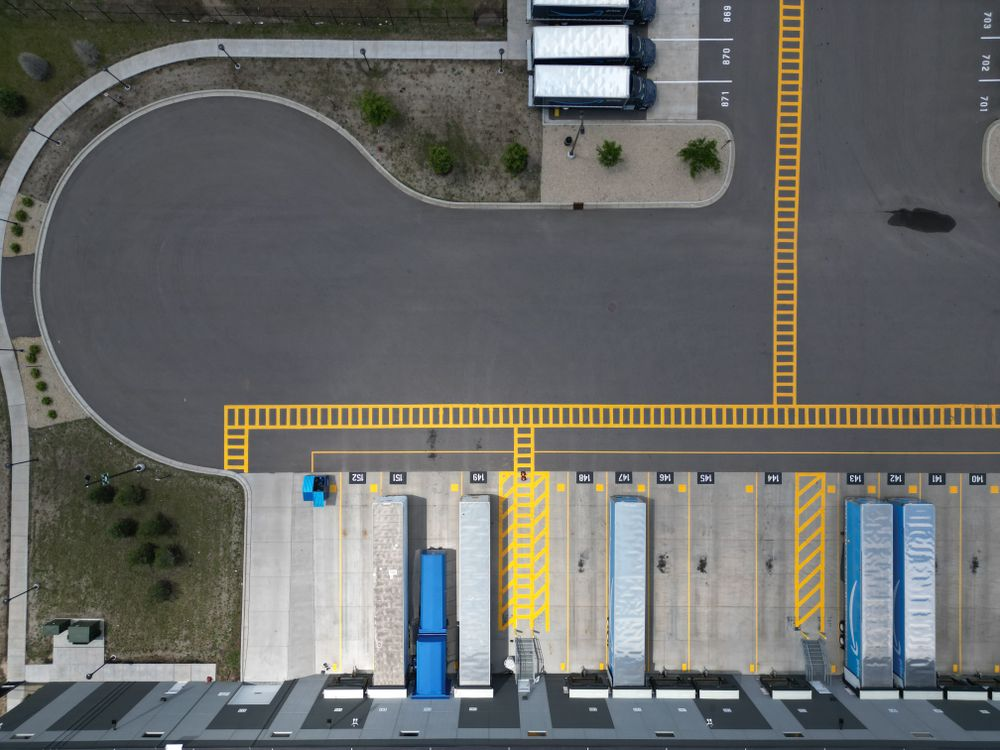
The site provides 62,800m² of warehouse space, 2,900m² of offices and 6,100m² of mezzanine floor. Storage racks rise to almost 12 metres, allowing a large quantity of inventory to be held vertically without increasing the building footprint.
Herleshausen sits directly beside the A4 motorway, one of Germany’s principal east-west routes. The location gives the operation access to domestic distribution flows while keeping neighbouring European markets within practical road freight reach.
Ole Trumpfheller, Managing Director of Maersk Area Northern Europe Continent, said: “Herleshausen is the ideal location as a central hub for the flow of goods within Germany and into the neighboring European markets.”
The building is expected to support between 300 and 400 permanent jobs once fully ramped up. During the online retail peak between October and December, staffing could rise to as many as 1,000 people, compared with around 150 employees working at the site when outbound operations began.
That variation illustrates the labour challenge attached to ecommerce fulfilment. Buildings and automation remain fixed throughout the year, while order volumes can rise sharply around promotional periods and the final quarter. Operators therefore need enough physical and workforce capacity to absorb peaks without carrying the same cost level through quieter months.
Peak staffing on that scale also requires operational planning beyond recruitment alone. New and temporary workers need training, safe access to equipment and processes that remain stable as throughput accelerates. If labour is added faster than supervision and workflow controls can absorb it, extra headcount can create congestion rather than capacity, particularly around receiving, picking and despatch areas where several teams share the same physical space.
Herleshausen adds capacity to Maersk’s wider expansion in contract logistics, where shipping and freight groups are extending further into warehousing and inland distribution. Owning or controlling more stages of a customer’s supply chain can reduce handovers between providers and create a longer operating relationship than a single ocean or road movement.
The commercial benefit depends on how well those stages are connected. A container may move through related Maersk services from ocean transport into inland haulage and storage, but service quality still relies on accurate data, available capacity and consistent recovery when disruption affects one part of the chain.
A centrally positioned hub can also reduce the amount of inventory duplicated across smaller regional facilities. Stock can be consolidated in one building and redistributed as demand develops, although that places more reliance on transport connections between the hub and downstream delivery centres.
The facility includes solar panels, rainwater collection and electric vehicle charging infrastructure and is targeting DGNB Gold certification. Those systems address part of the building’s environmental footprint while the warehouse itself remains dependent on energy for lighting, handling equipment, IT and other operating systems.
The launch immediately before the fourth-quarter retail peak gives the operation a demanding first test. Maersk has a limited period in which to stabilise outbound processes, recruit additional workers and identify bottlenecks before seasonal volumes increase.
Long-term leasing creates a different planning horizon from temporary overflow capacity. Automation, customer requirements and inventory profiles may change considerably during the life of the lease, making building flexibility increasingly important as logistics technology develops.
The 62,800m² warehouse floor provides substantial room for those changes, but utilisation and throughput will determine whether the building earns its place in the wider network. Storage capacity has limited value if poor transport planning or warehouse execution prevents inventory moving at the required rate.
Herleshausen has now crossed from development into live logistics operation. The next measure will come from how reliably Maersk can manage the peak-season swing in labour and volume while maintaining the distribution performance expected from a central European hub.