IN Brief:
- Qinzhou terminal reported a 67,800-tonne single-day peak for river-vessel cargo moving via the Pinglu Canal during China's National Day holiday.
- The 134.2-kilometre inland waterway opened on 16 September and is designed for vessels of up to 5,000 tonnes.
- Port coordination and terminal processing are central to whether the new river-to-sea corridor can sustain commercially useful traffic volumes.
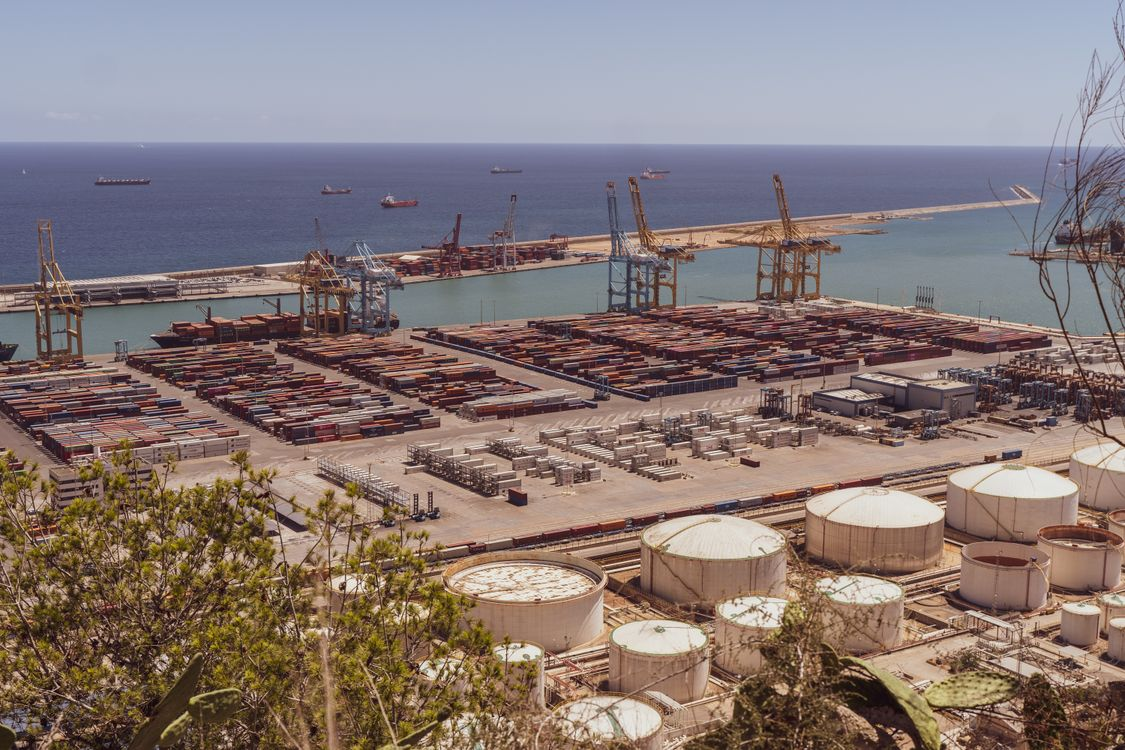
Beibu Gulf Port Group has reported a single-day cargo handling peak of 67,800 tonnes at its Qinzhou terminal for river vessels travelling through the newly opened Pinglu Canal. The figure was achieved during China’s National Day holiday period and represents the highest daily river-vessel throughput recorded by the terminal since the waterway opened in September. It is a peak measured over one day, not an average daily flow or evidence that the same quantity is being moved continuously.
China’s Ministry of Transport published the account on 16 October, drawing on information obtained from Beibu Gulf Port Group on 11 October. The record covers the total cargo handled by river vessels entering or leaving Qinzhou through the new canal within one day of the National Day holiday period. It is not the total cargo throughput of Qinzhou’s seaport, nor a stated daily average for the waterway. The operator did not identify the precise peak date or release a vessel-by-vessel breakdown.
The Pinglu Canal opened to navigation on 16 September, creating a shorter outlet from the inland waterway system serving parts of south-west China to the Beibu Gulf. The new route measures 134.2 kilometres and has been built to accommodate vessels of up to 5,000 tonnes. It connects inland cargo routes with coastal port facilities, allowing goods arriving by river to be handled at Qinzhou for onward shipping or moved inland from the seaport.
For certain cargo origins in western China, the new waterway offers a route to the coast more than 560 kilometres shorter than the traditional inland navigation alternative, according to official project material. Actual transport savings will differ by starting point, destination, vessel loading, transhipment requirements, and final inland connections. The canal also does not eliminate the need to match river arrivals with deep-sea sailings at the coastal terminal.
At Qinzhou, higher waterway traffic creates an interface between the timetable of inland vessels and the wider seaport operation. The port group says its central dispatch, commercial, and working-area teams coordinated personnel and equipment throughout the holiday period. Port scheduling was adjusted alongside the availability of vessels, locks, and cargo, with closer communication involving customs, maritime authorities, and border inspection services.
Berth, lock, and cargo-clearance availability can each interrupt that sequence. A river vessel arriving without a free working berth may have to wait before cargo can be discharged, while a ready departure may still depend on an available lock passage and clearance from the relevant authorities. The operator described coordinated decisions across these interfaces during the holiday period, but supplied no comparative figures for vessel waiting times, hourly cargo handling rates, or lock throughput.
Navigation rules introduced for the canal address the transition between inland waterways and coastal waters. They specify the river–sea boundary, conditions for vessels crossing it, and requirements for passage in narrow reaches, near bridges, and through locks. The rules took effect on 15 September, one day before the canal opened. Eligible inland craft must meet the relevant provisions before entering designated coastal waters; access to a new waterway alone does not grant unrestricted permission to operate at sea.
The 134.2-kilometre canal includes three lock complexes at Madao, Qishi, and Qingnian, accommodating an overall change in water level of approximately 65 metres. Lock operating cycles and water management influence the timing of vessels moving between the inland network and Qinzhou. Authorities have also developed integrated scheduling and waterway monitoring arrangements, but the newly reported 67,800-tonne handling peak is not accompanied by published figures showing lock utilisation or the number of vessels that completed the full transit that day.
At the coastal end, Beibu Gulf Port Group began constructing five 5,000-tonne river–sea container berths at Qinzhou’s Dalanping South operating area on 9 September. The company’s plan specifies 695 metres of waterfront and annual design capacity of 650,000 TEU, with automated handling equipment and a yard intended to connect with existing facilities. These are planned capacities for berths under construction, not throughput already achieved during the holiday peak.
The single-day record supplies an initial measure of cargo activity but cannot be multiplied into a dependable annual forecast. Regular performance will depend on cargo commitments, river vessel availability, lock transit intervals, functioning quayside equipment, and onward coastal or rail connections. Seasonal water conditions and maintenance interruptions can also change the usable capacity of a river-to-sea corridor without altering the nominal dimensions of the canal.
The canal forms part of the Western Land–Sea New Corridor intended to connect inland production areas with international shipping through Guangxi. Qinzhou’s reported handling peak adds a measured operating development after the September opening of the waterway. Monthly traffic totals, the movement of different cargo types, and evidence of repeatable lock and berth performance will show whether the early holiday peak becomes a consistent transport service.