IN Brief:
- Manila import containers average eight days in port against an ideal dwell time of five to six days, according to the Bureau of Customs.
- Manila International Container Port recorded 1.36 million import TEU and about one million export TEU in the period to 18 October 2026.
- Officials have proposed empty-container evacuation, port diversion and road access measures, but a joint administrative order remains pending.
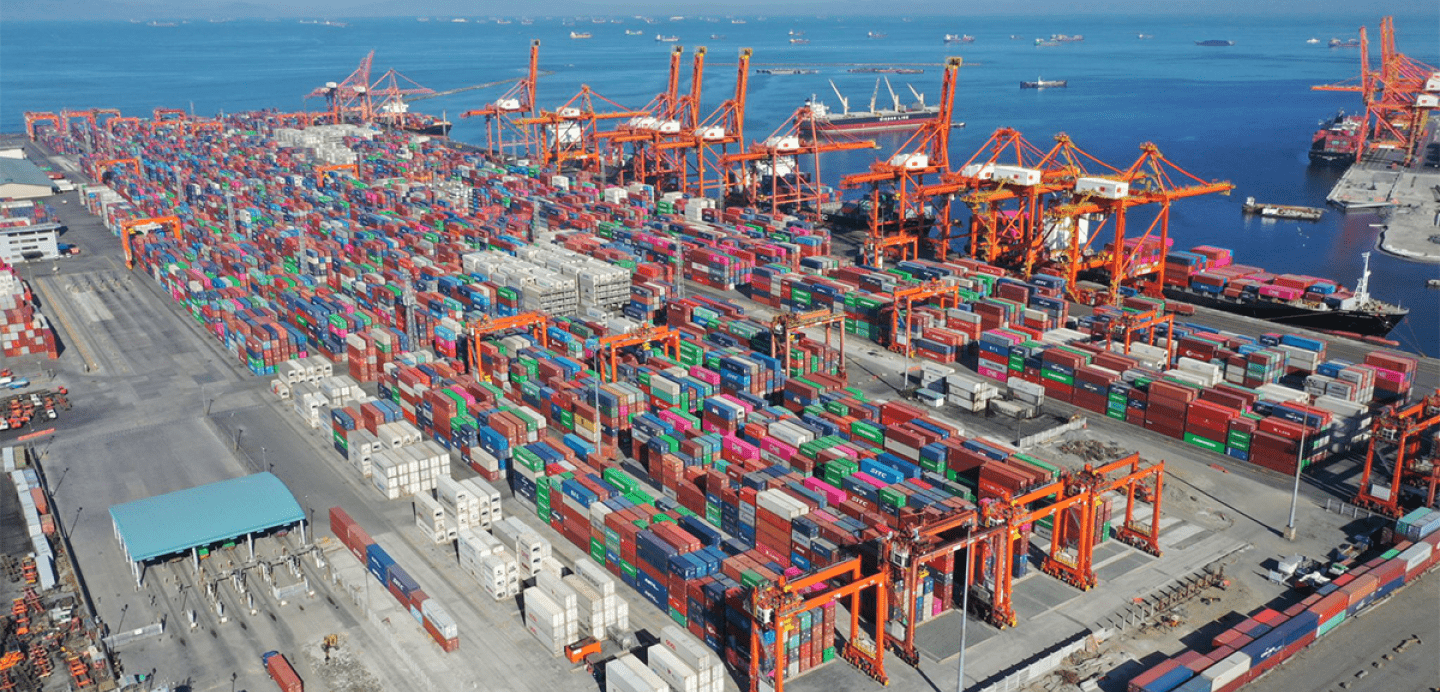
The Philippine Bureau of Customs has warned that congestion at Manila’s ports could take months to clear as incoming container volumes continue to exceed the movement of boxes out of the system. Deputy commissioner Agaton Teodoro Uvero set out the position at a meeting of the Philippine Multimodal Transport and Logistics Association on 19 October 2026. The immediate operational measure is import dwell time, currently averaging eight days against the five to six days that officials regard as desirable. The reported dwell time reflects sustained pressure across cargo clearance, depot returns and truck movements, rather than a delay that can be resolved by clearing one late vessel.
Uvero cited data from January to 18 October for container volumes expressed in twenty-foot equivalent units, or TEU, across major Luzon ports. Manila International Container Port handled about 1.36 million import TEU, compared with roughly one million TEU of exports. Outbound volumes at that terminal therefore amounted to approximately 74% of incoming volumes. The Port of Manila recorded 531,831 import TEU and 674,054 export TEU, giving it a different balance. Batangas also recorded more export than import TEU during the period. The pattern differs by gateway, and an imbalance at Manila International Container Port cannot simply be applied to the other ports.
Taken together, the two Manila ports and Batangas processed approximately 2.02 million import TEU and 1.81 million export TEU, leaving an excess of about 208,000 TEU inbound. That difference measures movements over the reporting period, not a verified stock count of empty containers occupying terminals today. Boxes can travel inland, remain at customer premises or enter another repositioning cycle. Where incoming cargo exceeds the volume leaving through a terminal, carriers may need to reposition more empty equipment; congestion then depends on how quickly boxes move through terminal and depot storage, not solely on the cumulative trade difference.
A container can occupy several stages of the logistics chain after its import cargo is unloaded. The shipping line must obtain the empty box back from the consignee or haulier, direct it to an authorised depot and arrange onward movement or reuse. Queues at an empty container return yard can prevent drivers from handing back equipment promptly, reducing the number of collection and delivery journeys they can complete in a shift. If return points are restricted and traffic controls narrow available road access, the effects spread beyond quayside crane productivity into the inland distribution network.
Uvero outlined possible steps including sweeper vessels to remove empty containers, redirection of suitable cargo to Subic and Batangas, improved coordination with local authorities over truck bans, and dedicated fast cargo lanes. These are proposed interventions, not a package already implemented across all the relevant sites. Diversion can help where the receiving port has suitable handling capacity and inland connections, but changing the destination also changes the location of customs clearance, trucking capacity and the final inland leg. Diversion is therefore useful only when cargo-handling capacity, inland transport and the consignee’s delivery requirements can be matched at the alternative port.
The customs official also raised the possibility of suspending the 90-day container rule, while making clear that this was an option rather than an adopted decision. The rule relates to the temporary importation and re-export of containers under Customs Administrative Order 08-2019. It is separate from the eight-day average dwell time for imported cargo. Confusing the two periods would obscure the problem: a deadline governing the container’s temporary admission is not the same as the speed with which a laden box is discharged, cleared and removed from port premises.
A joint administrative order intended to improve movement of containers was described as approaching signature at the 19 October meeting, but no final signed instrument has been established in the information available for this article. There have already been disputes over how empty boxes are returned and the allocation of responsibilities between carriers, hauliers and depots. The proposed order will need to address the interfaces between terminal capacity, depot rules and truck turnaround times; none of those constraints can be inferred from the reported TEU balance alone.
Machinery, component and chemical importers can face delayed deliveries even after a vessel has discharged if customs release, trucking appointments or empty box returns remain congested. A box may have arrived at the terminal but still be unavailable for final delivery because its declaration, gate appointment, container release or truck movement has not been completed. Longer dwell times can force distributors to adjust reorder points and increase the stock held against uncertain replenishment. Those responses carry costs of their own, particularly where components have high value or limited substitutes.
The congestion assessment covers a wider network than the earlier proposal to restrict container yards in Valenzuela, which addressed a particular element of regional storage and road operations. Uvero’s October figures describe the wider inflow and outflow imbalance and identify measures requiring coordination between national agencies, terminal operators, shipping lines and local governments. Until empty container evacuation and inland cargo flows improve together, individual port measures may shift congestion between sites instead of removing it from the logistics system.