IN Brief:
- DSV has opened an 853,000 sq ft multi-client warehouse in Laredo for US–Mexico cross-border logistics.
- The company's current specification lists more than 105,000 sq ft of FTZ and bonded space, with 84 dock doors and three loading ramps.
- A municipal incentive agreement refers to at least US$90 million of investment and 178 jobs, which are not independently confirmed final totals.
DSV has opened an 853,000 sq ft multi-client logistics warehouse in Laredo, Texas, bringing cross-border freight coordination, inventory management and customs services together at a major US–Mexico trade gateway. The opening was reported on 21 October and expands the company’s operating presence around the border. Its Laredo footprint is a current warehouse figure, not the larger gross floor area carried in an earlier state construction registration.
The opening was reported on 21 October, with DSV describing the site as part of its North American cross-border network. The company also operates in McAllen, where it recently opened a separate office, and markets more than two million sq ft of logistics space across the broader US–Mexico border region. These figures refer to different scales of activity: the 853,000 sq ft is the size DSV gives for its Laredo warehouse, while the regional total covers multiple facilities.
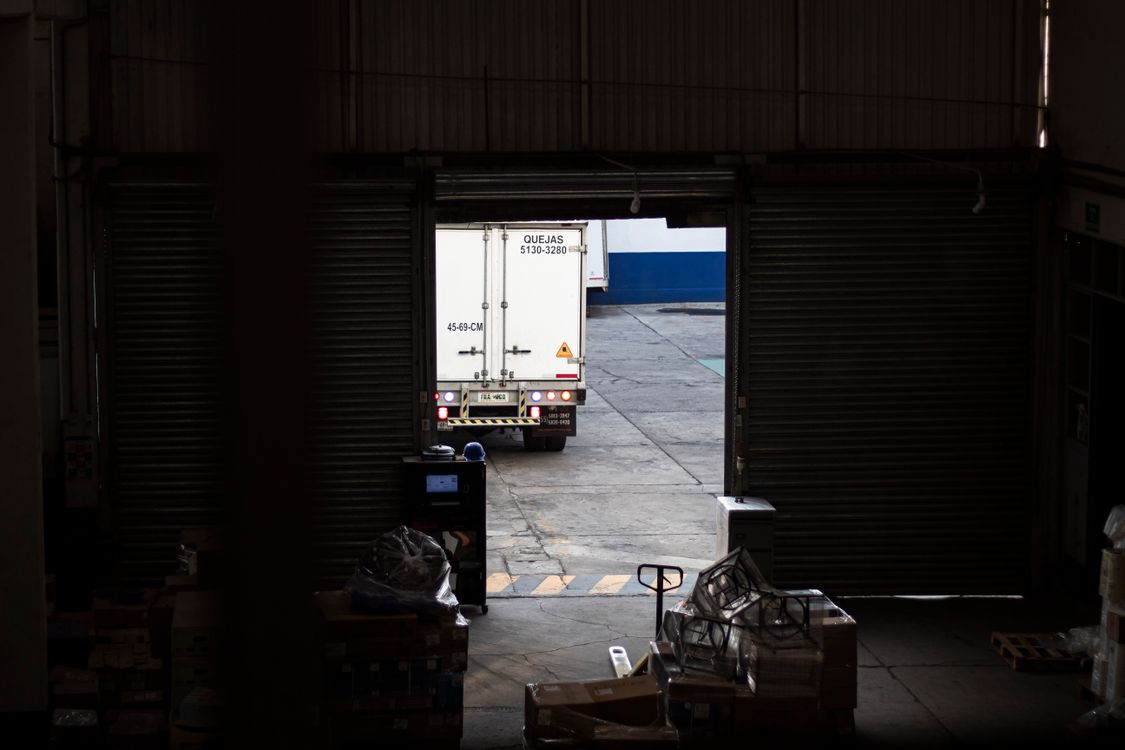
The Laredo offering includes more than 105,000 sq ft designated for foreign trade zone (FTZ) and bonded storage, according to DSV. The company’s current site specification lists 84 dock doors, three loading ramps and a 40 ft clear height, supporting truck loading and high-bay storage for different customer requirements. An older DSV construction announcement listed 85 dock doors; the operational specification is the more relevant description of the facility as now marketed.
US–Mexico cargo movements require close coordination between physical handling and customs status. Manufacturers may send components across the border at several points in a production sequence, while finished equipment and retail stock may require later consolidation and distribution. FTZ treatment and customs bonded storage are distinct mechanisms governed by their own requirements; neither automatically exempts all goods from duties or inspection. Freight still has to meet the rules for entry, movement and eventual release into domestic commerce.
The new centre allows DSV to combine transport management with physical stockholding instead of treating the warehouse and freight leg as unrelated transactions. A shipment arriving from a Mexican supplier can be checked against an order, placed into a designated storage area and released for US distribution according to the customer’s inventory instructions. Export cargo can follow a corresponding sequence in the other direction. Those are capabilities associated with the service offering; DSV has not published independently verified reductions in the time or cost of a representative customer’s complete journey.
Stock control is particularly important for businesses moving components repeatedly across the border. Wrong quantities or mismatched part numbers can interrupt manufacturing schedules even when the truck arrives on time. A shared handling operation offers scope to combine receiving, goods checks, inventory visibility and dispatch planning in one workflow. The benefits will vary with the systems the customer connects to the warehouse, the physical nature of its goods, staffing and the terms of its service agreement.
The development stands within Majestic Realty’s Port Grande Logistics Park. The City of Laredo approved an incentive agreement in 2025 requiring the DSV project to represent approximately US$90 million of investment and at least 178 permanent jobs. Local business reporting repeated those commitments when the facility opened. They should not be presented as audited final capital expenditure or an independently verified employee count. DSV’s operational account establishes what warehouse services are being offered, not the final drawdown under the municipal agreement.
An earlier Texas construction registration describes 893,078 sq ft of gross building area and an estimated construction cost of about US$88.14 million. That filing represents a different measurement and reporting stage from the 853,000 sq ft of warehouse space DSV now markets. Office areas and other ancillary space may account for part of the distinction, but the available documents do not reconcile the numbers definitively. Combining the construction register’s gross area with the current warehouse specification would overstate the published operational footprint.
Cross-border operators are also increasing their use of alternative handling points along the Texas–Mexico boundary. DSV’s McAllen presence sits within that wider network rather than constituting a second opening at Laredo. Customer movements can be routed through different border locations depending on origin, destination, permitted cargo arrangements and carrier capacity. The company has not announced a volume target or exact split of traffic between the locations.
The facility is open and marketed for multi-client use, but DSV has not disclosed monthly border-crossing volumes, a completed headcount against the incentive threshold or verified customer transit-time savings. Its scale, loading configuration and customs services establish the new operating capability. Actual gains for individual shippers will depend on freight mix, border inspection conditions, inland transport availability and integration of each customer’s inventory systems.