IN Brief:
- A GB Railfreight container train partly derailed at Barking on 23 October, damaging railway infrastructure.
- London Gateway reports reduced rail freight operations, while Tilbury says rail services are suspended this week.
- The full rail restoration date and number of containers affected have not been confirmed.
A container train derailment at Barking is restricting rail freight movements through the Thames Estuary, disrupting the inland connections serving two of the UK’s busiest port complexes. DP World says its London Gateway terminal is operating a reduced rail freight service, while Forth Ports has warned that no freight trains will serve Tilbury or Tilbury2 during the current week.
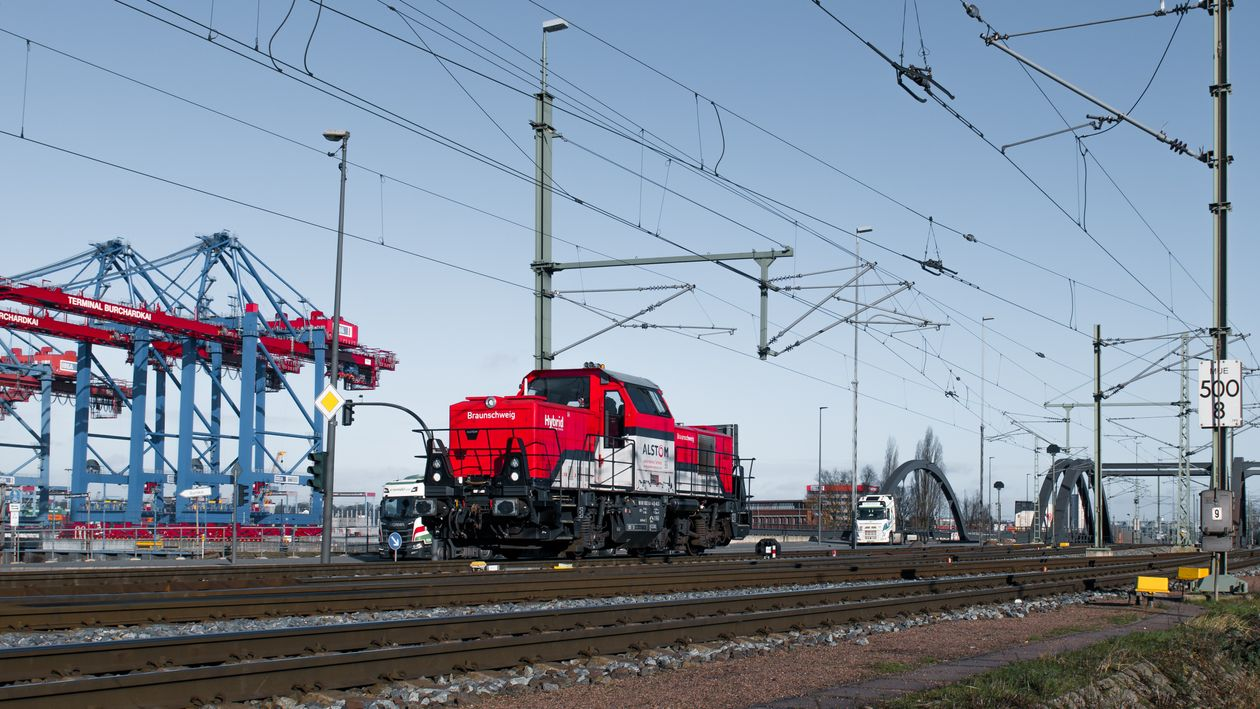
The incident occurred at around 13:10 on Friday 23 October when a GB Railfreight container train travelling from London Gateway partly derailed near Barking station. Passenger operator c2c reported substantial infrastructure damage and blockages affecting the railway through Barking. No passengers were on the freight train, and no injuries were reported. The Rail Accident Investigation Branch was notified, with engineers assessing the track and associated infrastructure before services can safely resume.
On 27 October, London Gateway was still handling reduced rail volumes, whereas Forth Ports said no freight services would reach Tilbury or Tilbury2 during the week. The different restrictions leave importers dependent on the port and railway route attached to each booking: available capacity at one terminal does not establish that a container can be redirected there. The carriers have not quantified the displaced containers or given a confirmed date for full restoration.
The affected route connects deep-sea and short-sea cargo operations on the Thames with inland logistics centres. Rail services usually allow substantial numbers of containers to move in a single train between a terminal and inland handling points, where road vehicles complete deliveries to factories, warehouses and distribution centres. When a rail leg becomes unavailable, the shipment still requires a compatible transport booking, a terminal collection slot and somewhere appropriate to return the empty equipment after unloading.
A road substitution needs a haulier equipped for the specific container, an agreed release and terminal appointment, and a receiving site capable of unloading it. Where several rail services are suspended together, spare tractor units, skeletal trailers and drivers may not be available at the times originally booked. Road movements also require a practical empty-container return arrangement after delivery; failure to secure that final leg can leave equipment tied up even after cargo reaches its consignee.
Hapag-Lloyd has told customers that inland moves are liable to be affected. It advised customers responsible for their own inland transport under merchant haulage arrangements to organise road alternatives, while its carrier haulage teams are examining alternative arrangements for movements booked through the shipping line. The carrier also cautioned that it cannot accept further haulage requests during the disruption, limiting the scope for customers to transfer responsibilities at short notice.
A forwarder dealing with a cancelled rail departure must first locate the consignment: it may still be on the quay, held for a train or positioned at an inland terminal. Its customs status, carrier release and container number then need to match a replacement collection. Storage or transport charges may change if the container remains at the terminal longer than planned, but the incident has not been accompanied by an announced network-wide surcharge. Applicable costs will depend on individual contracts and tariff arrangements.
While the railway is unavailable, an imported container may still reach its Thames terminal on a scheduled vessel but be unable to complete its booked inland rail leg. The forwarder must decide whether the box can remain at the terminal, move over a different rail route or be collected by road. Cargo urgency, space at the receiving site and the availability of a suitable transport provider govern that decision; no single road alternative can be assumed for every affected load.
Passenger services on the same corridor have also been diverted or cancelled. c2c says trains are not serving Dagenham Dock, Rainham or Purfleet while repairs proceed, and the rail infrastructure operator has identified approximately 1.2km of track requiring renewal. The engineering operation must remove damaged equipment, inspect the formation and reinstate the route before the blocked lines can reopen. A partial restoration of passenger services would not necessarily release the original number of freight paths or accommodate every scheduled freight train.
Separately, Maersk confirmed that London Gateway could again accept empty containers from noon on 26 October and that Vehicle Booking System appointments were available. That change restores a road equipment-return process; it does not reopen the disrupted rail paths or guarantee the availability of inland road haulage. Carriers’ instructions for loaded collections, empty returns and rail bookings therefore need to be checked independently against each consignment.
DP World says it is working with customers and Network Rail while the infrastructure repairs continue. The immediate operational decisions concern which boxes can remain at the port, which can move on an available rail service and which require road collections with confirmed receiving and return arrangements. As of 27 October, neither the full repair timetable nor the volume of outstanding container movements had been disclosed.