IN Brief:
- Daiso's new distribution centre at Pulau Indah represents a RM1.2bn investment in Malaysia's logistics infrastructure.
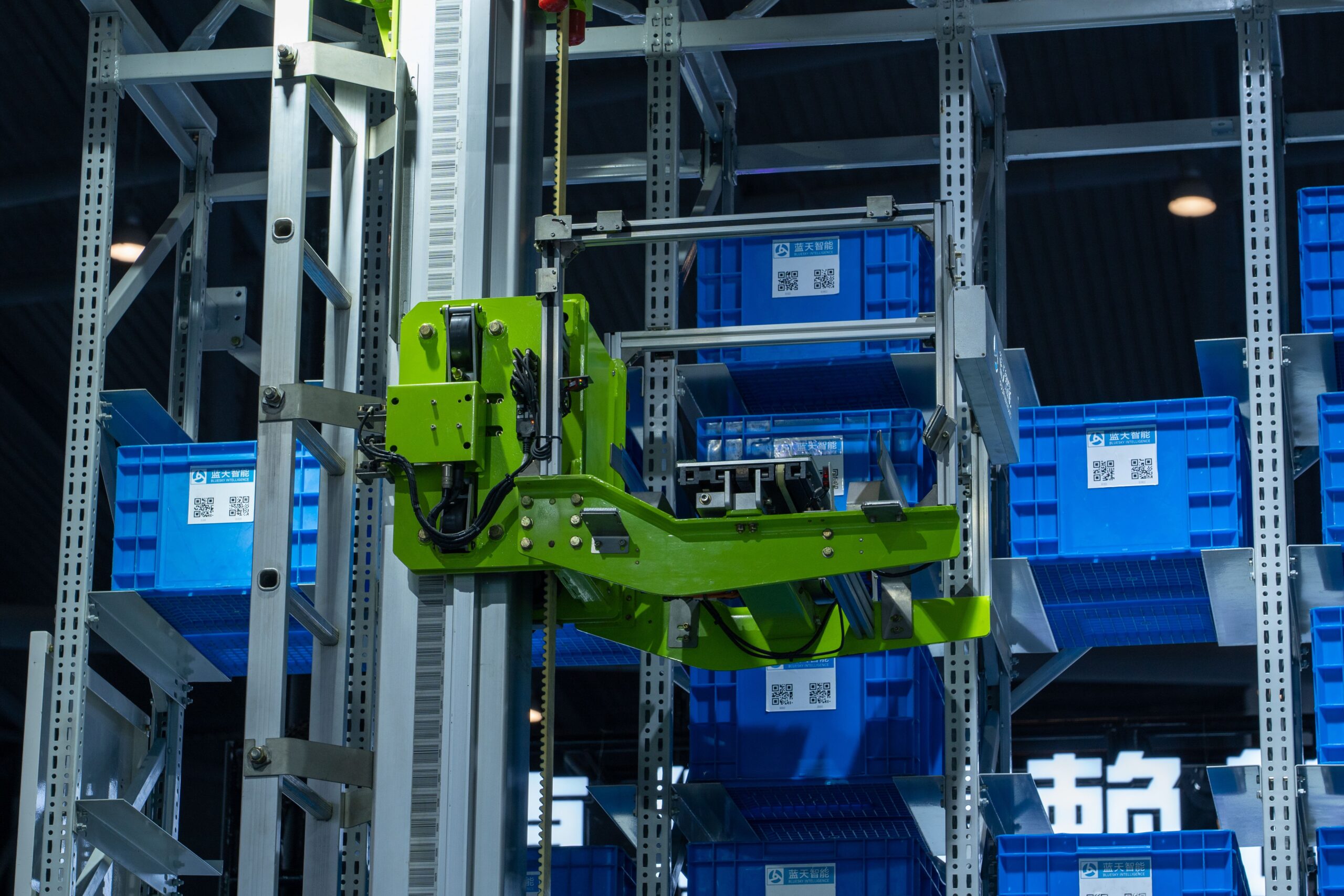
- The development includes 1.4 million sq ft of bonded warehousing and an automated storage and retrieval system.
- The facility will support distribution to 27 countries, with PKT Logistics providing a framework for additional freight and warehousing cooperation.
Daiso has opened a RM1.2bn global distribution centre at Pulau Indah in Malaysia, establishing its largest warehouse facility and expanding the infrastructure supporting its international supply network. The new centre combines bonded storage with automated materials handling and will serve 27 countries, principally across Asia and the Middle East.
The development was inaugurated on 5 November at Taman Perindustrian Samudera in Selangor, close to the Port Klang maritime and industrial corridor. Daiso Malaysia Group has developed the facility as a central location for receiving goods from international suppliers, storing inventory, preparing consignments, and distributing merchandise to overseas markets.
The project occupies approximately 1.6 million sq ft of land and incorporates 1.4 million sq ft of bonded warehousing, according to figures confirmed at the opening. Its automated storage and retrieval system is supported by additional smart logistics technology, although Daiso has not disclosed the number of automated storage positions, handling machines, or picking stations installed.
The new facility is larger than the company’s existing warehouse operations in Japan. Its role extends beyond domestic distribution in Malaysia, connecting sourcing and manufacturing networks in Japan, China, and other markets with Daiso’s international sales operations. The centre handles merchandise including household products, stationery, cleaning goods, cosmetics, and other general consumer items.
Concentrating these activities at one location allows incoming products to be received, identified, stored, and subsequently allocated to consignments bound for different destinations. The physical movement of inventory must be coordinated with the records identifying product availability, country-specific requirements, and the orders being prepared for export.
The bonded warehouse arrangement is a significant element of the operating model. Goods may be stored under customs control before release or re-export in accordance with the applicable customs procedures. This can support distribution operations receiving imported merchandise for subsequent dispatch to other markets, although the treatment of individual consignments still depends on their customs status and the rules governing the destination.
Sorting and repacking are among the activities planned for the centre. Incoming goods can be prepared for the requirements of individual markets rather than necessarily travelling onwards in the same configuration in which they arrived. Such processes involve controlling product identity, quantities, packaging, and shipment documentation throughout the handling operation.
Automated storage and retrieval systems organise the movement of goods between designated storage positions and work areas. Equipment operating under warehouse control software can place inventory into storage and retrieve it when required for subsequent handling. The arrangement reduces reliance on manually transporting individual loads between every storage location and the relevant processing area, while still requiring suitable interfaces with receiving, picking, packing, and dispatch activities.
Actual throughput depends on the configuration of those interfaces. Automated storage equipment can retrieve products only at the rate supported by its handling mechanisms and control systems, while downstream processes must be able to receive and process the goods. Daiso has not provided verified figures for storage density, handling cycles, order processing speed, or labour productivity at Pulau Indah.
The 27-country distribution role creates additional scheduling requirements. Products may arrive from several suppliers before being allocated to shipments for different destinations, with the timing of dispatch influenced by container availability, documentation, customer requirements, and scheduled transport services. Inventory held at the centre must therefore remain identifiable not only by product but also by its intended movement and applicable handling requirements.
Port Klang provides the nearby maritime infrastructure for international container movements. Its terminals connect Malaysia with regional and long-distance shipping services, while the surrounding industrial district accommodates transport companies, warehouses, and forwarding businesses. The proximity creates opportunities to coordinate port and warehouse operations, although it does not eliminate terminal handling, customs processing, or inland transport requirements.
Alongside the opening, Daiso Malaysia Group signed a memorandum of understanding with PKT Logistics (M) Sdn Bhd. The Malaysian logistics provider offers freight forwarding, customs brokerage, trade facilitation, warehousing, and transportation services, establishing a basis for cooperation around activities associated with the distribution centre.
The memorandum provides a framework for collaboration rather than a disclosed fixed-volume freight contract. Neither company has announced a guaranteed number of containers to be handled by PKT, the value of an eventual operating agreement, or an exclusive allocation of transport services. Its practical scope will depend on the commercial and operational arrangements subsequently agreed between the businesses.
Freight forwarding and warehousing coordination can affect the sequence in which goods move through the distribution operation. Customs documentation must correspond with the cargo being received or dispatched, while transport bookings need to reflect the availability of prepared consignments. Disruption at one stage can leave inventory occupying warehouse space while waiting for release or collection, even when the handling processes inside the building have been completed.
Prime Minister Anwar Ibrahim and Transport Minister Anthony Loke attended the inauguration. The Malaysian government has identified the development as an investment supporting the country’s role in regional logistics and has expressed an ambition for additional Malaysian-produced goods to enter international markets through the distribution network.
That supplier development objective remains separate from the confirmed warehouse investment. No procurement volumes, specific domestic manufacturing contracts, or minimum commitments to Malaysian suppliers have been published in connection with the opening. The established facts are the physical development, its stated international distribution role, and the cooperation framework with PKT Logistics.
The centre represents a substantial increase in the scale of Daiso’s Malaysian warehousing infrastructure, bringing automated storage and bonded handling activities into a facility serving multiple export destinations. Further operating data will establish the volume of cargo processed through Pulau Indah, the performance of the installed automation, and the extent of freight activity undertaken through the PKT partnership.