IN Brief:
- JNPA handled a record 864,255 TEU during October, exceeding September's previous monthly record.
- Containerised cargo reached 9.29 million tonnes, contributing to total port throughput of 10.12 million tonnes.
- Rail movements handled 104,209 TEU during the month, an increase of 4.5% despite fewer container train movements.
Jawaharlal Nehru Port Authority (JNPA) handled a record 864,255 twenty-foot equivalent units (TEU) in October 2026, an increase of 27.05% compared with the same month last year. The Indian container gateway also reported its highest monthly cargo throughput, handling 10.12 million tonnes as containerised shipments increased substantially.
The October result surpassed the previous container record of 834,697 TEU achieved in September. Throughput was 184,028 TEU above October 2025, when the port handled 680,227 TEU, extending a period of higher volumes at one of India’s principal international container gateways.
Total cargo tonnage increased by 19.08% from 8.50 million tonnes a year earlier. Containerised cargo accounted for 9.29 million tonnes, up 21.56% from 7.65 million tonnes, while bulk cargo declined from 0.86 million tonnes to 0.83 million tonnes. The increase in overall tonnage was therefore driven by container movements rather than an expansion of bulk handling activity.
The distinction between TEU and tonnage is important when interpreting port performance. TEU measures nominal container capacity, while tonnes measure the weight of cargo handled. The number of units moved can increase at a different rate from their combined cargo weight, reflecting changes in the composition and utilisation of containers passing through the terminals.
JNPA’s container throughput increased more rapidly than its reported containerised cargo tonnage in October. The published statistics establish the difference, although they do not provide the loaded and empty container breakdown or commodity information needed to determine its underlying causes. Both measures nevertheless confirm substantial growth in the volume of cargo handling activity compared with October 2025.
The longer reporting period shows a similar pattern of expansion. From April to October 2026, corresponding to the first seven months of India’s 2026–27 financial year, JNPA handled 5,525,772 TEU. That was 18.99% above the 4,643,742 TEU recorded during the equivalent period a year earlier.
Total cargo throughput for the seven months reached 66.39 million tonnes, an increase of 14.20% from 58.13 million tonnes. Containerised cargo contributed 61.58 million tonnes, while bulk cargo accounted for 4.81 million tonnes, down from 5.45 million tonnes in the previous reporting period.
October’s 27.05% increase in container units exceeded the year-to-date growth rate, suggesting a particularly strong month within the port’s recent operating performance. The statistics do not establish whether the increase arose from additional vessel calls, larger exchanges per vessel, changes in shipping service allocations, or the timing of individual consignments.
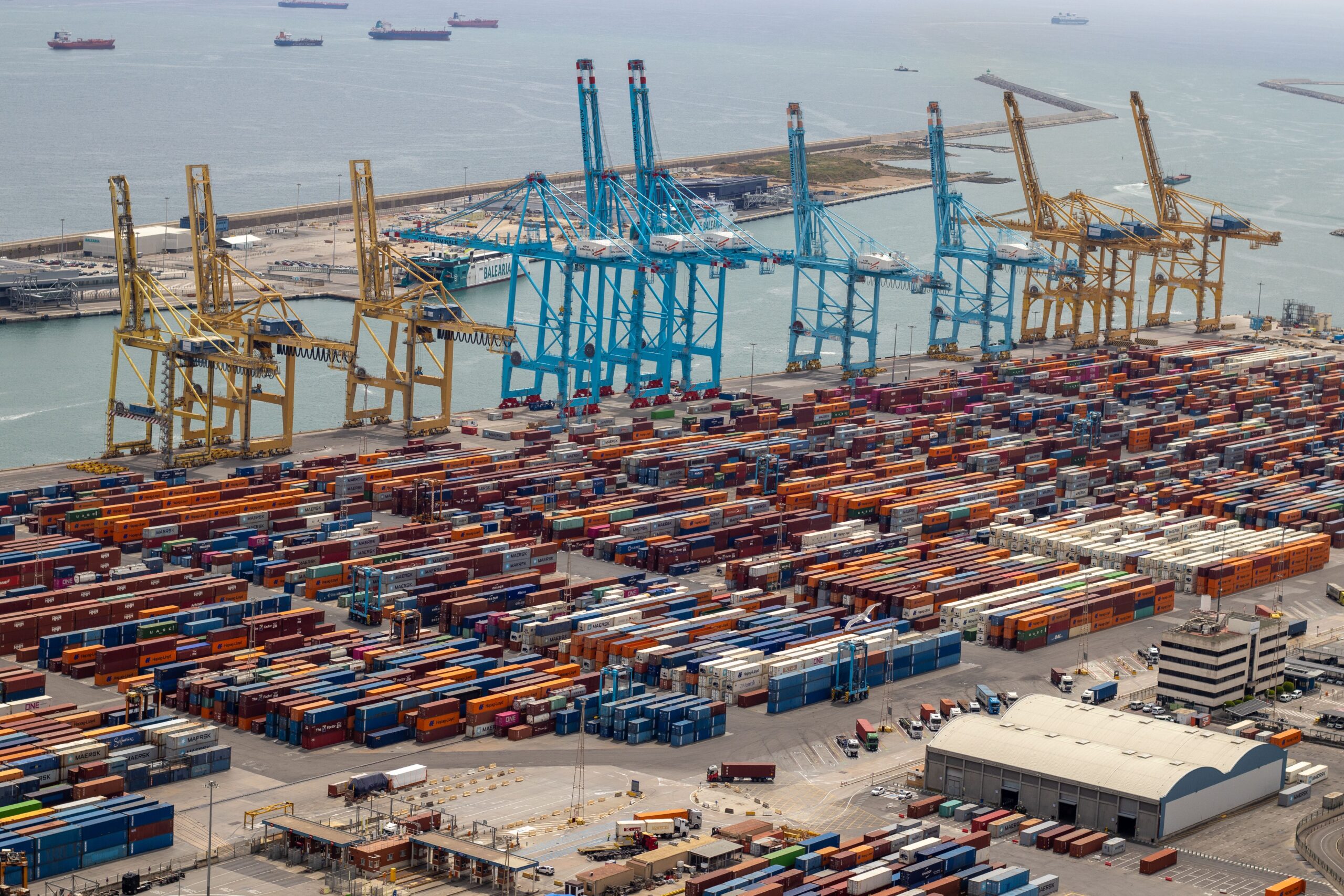
Higher container volumes require terminals to coordinate the use of berth space, quay cranes, internal transport equipment, and storage areas. Containers discharged from a vessel must be transferred to an appropriate location before collection, while export units need to be received and positioned for subsequent loading. The capacity of each part of that process influences the number of movements a terminal can complete over a given period.
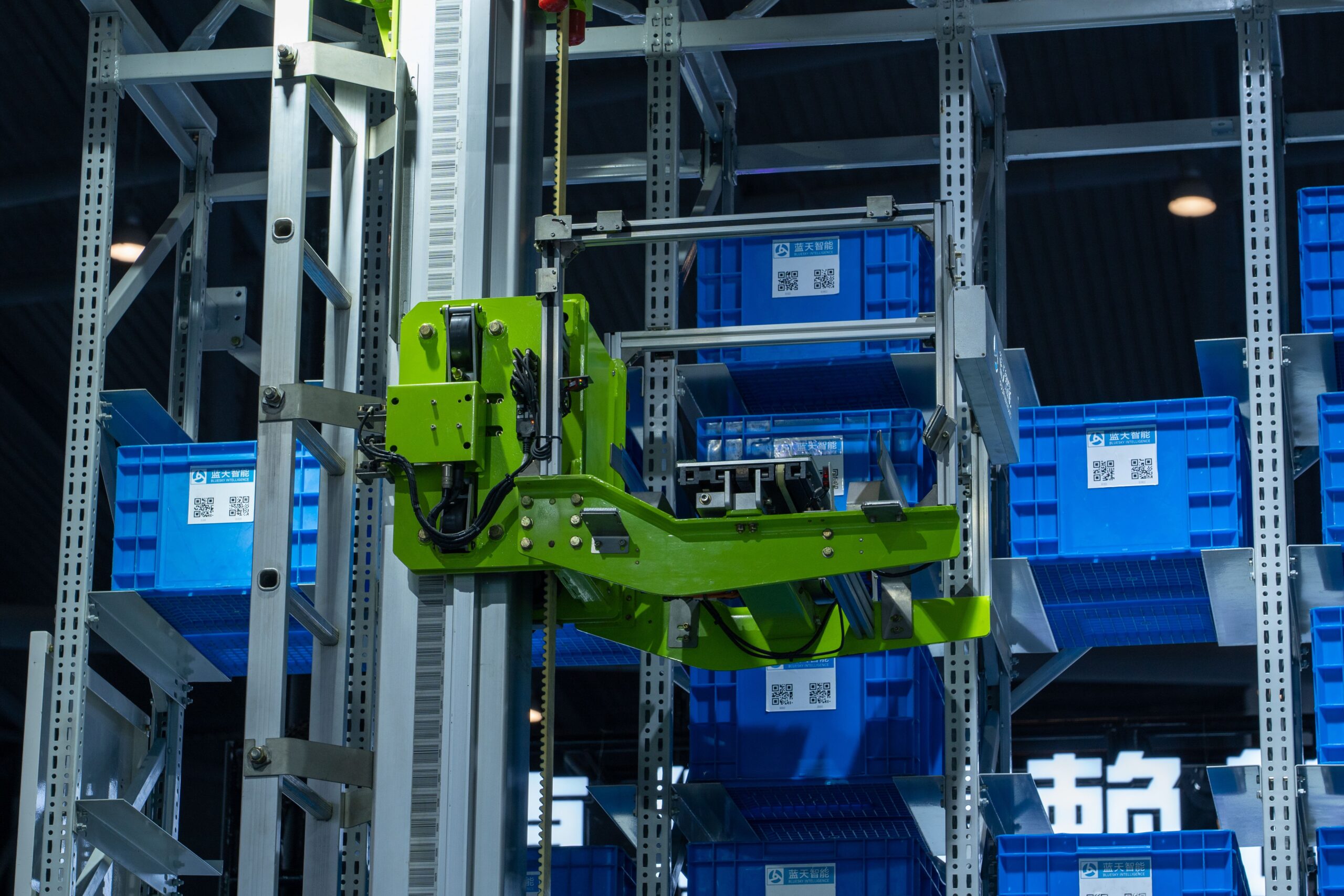
Storage and retrieval operations become particularly important when large volumes of containers arrive within concentrated periods. A terminal may be able to complete vessel handling operations efficiently while still facing constraints associated with retrieving individual containers or transferring them to inland transport. Maintaining accurate container location records and coordinating equipment movements supports the flow between these activities.
Rail traffic provides a separate measure of the connection between the port and inland freight networks. JNPA recorded 602 container train movements, known as rakes, during October, compared with 608 in the same month last year. Despite that slight reduction, rail-associated container volume increased by 4.5%, from 99,726 TEU to 104,209 TEU.
The combination indicates that more container units were handled per recorded rake on average. The published figures do not identify whether that difference resulted from train configurations, changes in the mix of containers, or the utilisation of available rail capacity. It establishes that higher rail container volumes were accommodated without an increase in the recorded number of train movements.
Over the April–October period, the number of rakes declined by 4.62%, from 4,244 to 4,048. Rail-associated throughput nevertheless rose from 687,994 TEU to 694,221 TEU, an increase of 0.91%. Rail container volumes consequently grew more slowly than JNPA’s overall container throughput, although the two figures measure different parts of the transport operation.
Inland connections are a central element of container port performance. Import cargo requires transport from terminals to warehouses, factories, and inland depots, while export containers must reach the port according to the schedule of the intended vessel. Road haulage, rail capacity, customs processes, and the availability of receiving facilities all influence how efficiently containers move beyond the marine terminal.
A recent assessment of India’s port and inland freight bottlenecks identified constraints extending beyond regulatory clearance, including transport connections and coordination between logistics operators. Those findings provide wider context for the relationship between port throughput and inland freight operations, without establishing that the same problems affected JNPA’s October performance.
Among individual terminal operators, Bharat Mumbai Container Terminals reported another monthly handling record. The port’s published October figures contain an inconsistency between the BMCT terminal table and its accompanying narrative, so the terminal-specific throughput figure has been excluded from this account. The combined port-wide figure of 864,255 TEU is consistent across the report.
The statistics also leave several operating measures unresolved. Average container dwell time, vehicle turnaround, berth waiting periods, and yard occupancy would provide additional evidence of how the terminals managed the record cargo volumes. Monthly throughput establishes the scale of handling activity but does not, by itself, provide a complete measure of service performance.
JNPA has now exceeded its previous records for both monthly container units and total cargo tonnage. Further monthly data will indicate whether the October increase is sustained, while the development of rail-associated container volumes will provide another measure of how the port’s inland freight connections respond to continuing growth.