IN Brief:
- India's annual port cargo volumes increased 38% between FY2017–18 and FY2025–26, while available handling capacity grew 22%.
- At four seaports, approximately 84% of measured export time occurred after regulatory approval, including logistics activity and scheduled waiting.
- FICCI and Kearney recommend targeted inland transport investment and coordinated management of major freight gateways.
India’s maritime trade network faces substantial delays between regulatory approval and vessel departure, despite improvements in customs processing and port handling capacity. A study by the Federation of Indian Chambers of Commerce and Industry (FICCI) and consultancy Kearney finds that approximately 84% of measured export time at four major seaports occurs after cargo has received regulatory approval, with inland connectivity, shipping schedules, and logistics coordination identified as priorities for further improvement.
The report, India’s Maritime Agenda for 2030: From efficient ports to globally connected trade gateways, was released in Mumbai on 3 November 2026. It examines the relationship between India’s expanding port infrastructure and the wider freight network used by manufacturers, exporters, shipping companies, and logistics providers. Its central recommendation is to align future investment more closely with cargo movements and the operational requirements of individual gateways.
The analysis draws on the 2025 National Time Release Study, which recorded average export approval times of approximately 30 hours at four core seaports. The subsequent interval between approval and vessel departure was approximately 158 hours, accounting for around 84% of the combined measured period. These figures identify the time spent after regulatory processing, but they do not mean that the entire interval represents avoidable delay.
Cargo may complete customs procedures before the vessel scheduled to carry it is ready to receive containers or depart. The period between approval and sailing can therefore include necessary terminal operations, scheduled waiting, and other logistics activities. Changes to port processing must be evaluated against those conditions rather than assuming that every hour following approval can be removed through faster administration.
At Jawaharlal Nehru Custom House, average export customs clearance took two hours and 12 minutes in 2026, while the full export cycle exceeded eight days. The difference illustrates the limited proportion of a shipment’s elapsed time that may be attributable to customs clearance alone. Earlier regulatory release can support transport planning, but the final departure of cargo still depends on terminal receiving arrangements, vessel schedules, and available shipping services.
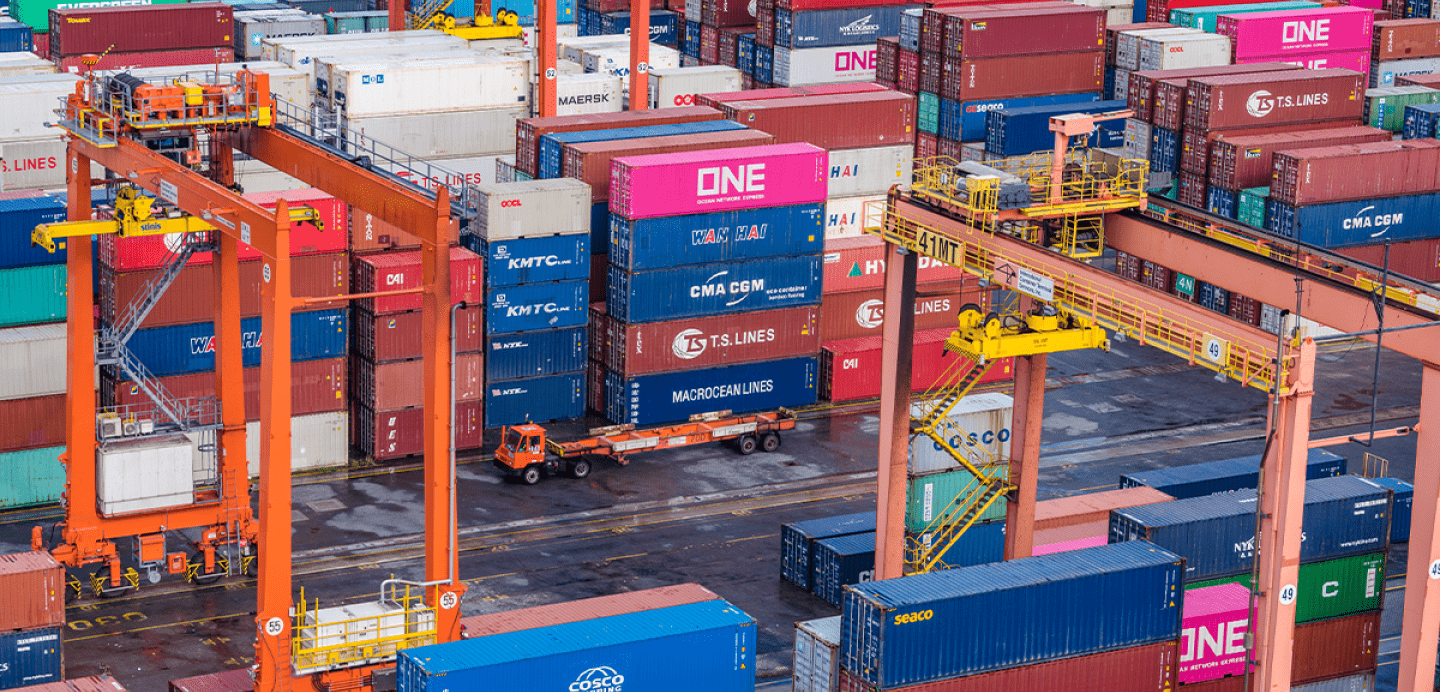
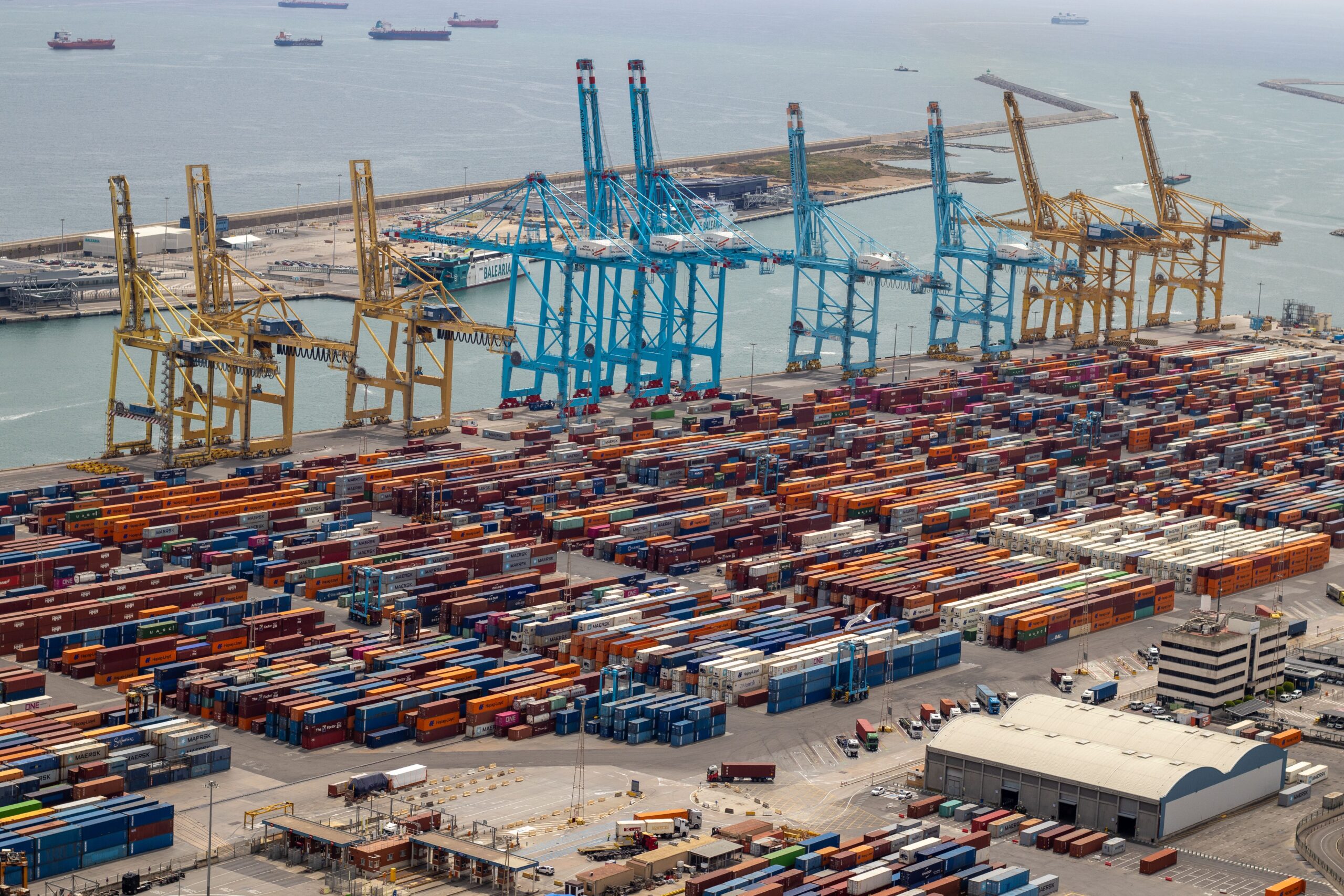
India’s ports have already recorded substantial increases in activity. Cargo handled at major and non-major ports rose from 1,209 million tonnes in FY2017–18 to 1,668 million tonnes in FY2025–26, an increase of 38%. Over the same period, nominal annual handling capacity increased 22% to approximately 2.8 billion tonnes, while aggregate capacity utilisation rose from 52% to 59%.
The figures indicate that cargo volumes have grown faster than reported capacity, although the national utilisation rate still suggests substantial aggregate headroom. That measure does not establish that suitable capacity is available at every gateway or for every commodity. Individual terminals require equipment, berth arrangements, storage facilities, and transport connections appropriate to the goods being handled, and unused capacity at one location cannot necessarily accommodate demand concentrated elsewhere.
Marine handling performance has also improved. Average vessel turnaround time at major ports fell 18% to approximately 49 hours, while Jawaharlal Nehru Port Authority (JNPA), Pipavav, and Mundra placed among the world’s top 30 ports in the World Bank’s Container Port Performance Index 2025. These indicators measure aspects of port and vessel performance, but do not provide a complete account of the time or cost involved in moving goods between inland production sites and overseas customers.
Inland connectivity is one of the principal areas examined by FICCI and Kearney. Of 294 identified road and rail projects intended to strengthen connections between ports and their hinterlands, 84 had been completed by July 2026. The remaining projects represent infrastructure work intended to improve access between maritime gateways, industrial locations, and the wider transport network.
A significant completed development is the 1,506km Western Dedicated Freight Corridor connecting JNPA with Dadri, which was fully commissioned in March 2026. Dedicated railway infrastructure can provide capacity for freight movements between major logistics locations, although its contribution to individual shipment performance depends on available services, terminal connections, and the coordination of onward transport.
Road and rail investment must also correspond with the locations where cargo is produced and consumed. A new transport link can increase physical capacity without necessarily resolving a bottleneck elsewhere in the shipment process. Cargo arriving at a terminal outside its receiving window may still face additional waiting, while inadequate handling or storage capacity at an inland facility can restrict the use of an otherwise capable transport corridor.
The researchers therefore recommend prioritising connections according to actual freight flows rather than distributing infrastructure investment without reference to demand. The proposed approach would involve the ministries responsible for ports, roads, and railways, alongside state governments and organisations managing the relevant gateways.
Shipping connectivity creates another constraint. Approximately 75% of India’s transshipment containers were handled at overseas ports as of May 2025, indicating a substantial dependence on foreign gateways for the transfer of cargo between shipping services. Domestic port infrastructure can reduce that dependence where vessels and cargo volumes support direct connections, but terminal development alone does not determine which locations shipping lines select for their networks.
The commissioning of Vizhinjam in May 2025 introduced additional domestic deepwater capacity. Establishing a commercially successful transshipment operation nevertheless depends on shipping lines incorporating the port into their vessel rotations and providing suitable onward connections. A port may have the physical ability to receive large container vessels while still requiring sufficient cargo volumes and connecting services to justify regular calls.
Transshipment arrangements influence the number of handling and transport stages involved in moving a container between its origin and destination. Cargo transferred through an intermediate gateway must be discharged, stored or transferred as required, and loaded onto another vessel. These activities depend on the coordination of ship arrivals, terminal capacity, and connection schedules, with missed connections potentially extending total transit time.
Private terminal operators already account for a substantial share of activity at India’s major ports. The report states that privately operated terminals handle approximately two-thirds of major-port cargo, against a government target of 85% by 2030. This reflects the increasing involvement of private organisations in port operations, although ownership and operating arrangements are only one part of the infrastructure and service requirements identified by the researchers.
FICCI and Kearney examined international gateways including Shanghai–Ningbo, Rotterdam, Jebel Ali, and Singapore to assess the factors supporting port competitiveness. Their framework considers six areas extending beyond berth productivity, including shipping connectivity, industrial clusters, inland transport, and digital border processes. The comparison distinguishes the availability of infrastructure from the commercial and logistical arrangements needed to use it effectively.
The report recommends developing separate strategies for four types of maritime gateway: container ports, transshipment hubs, industrial and energy gateways, and specialised export corridors. Each category serves different freight requirements. Container gateways depend on scheduled shipping connections and efficient transfers between transport modes, while industrial and energy ports may require specialist storage, bulk handling equipment, or infrastructure serving particular manufacturing and processing facilities.
Authorities are also advised to identify the industrial catchments, overseas markets, and cargo categories that each priority gateway is intended to serve. This would provide a basis for matching infrastructure investment with expected freight volumes and the transport services required to move them. The researchers propose assigning a designated coordinator to each gateway, with responsibility for linking individual interventions to delivery organisations, funding arrangements, and milestones.
Performance measurement is another focus. The report recommends using shipment information and time-release studies to assess total logistics costs, transit reliability, cargo growth, access to markets, and commercial returns. These measures would allow infrastructure decisions to be evaluated against changes in freight performance rather than relying solely on the amount of handling capacity installed or the speed of individual port operations.
The proposed approach requires coordination between national authorities, state governments, port operators, transport providers, and the businesses generating freight demand. Improvements to one stage of the transport process may have limited effect if the next stage remains constrained by schedules, infrastructure, or operating arrangements. The study’s distinction between regulatory processing and subsequent waiting provides a measurable basis for identifying where further investigation and investment should be directed.
India has expanded its maritime capacity and improved several established operating indicators, but the available evidence shows that a significant proportion of export elapsed time remains outside the regulatory approval process. The completion of hinterland projects, changes to shipping connections, and implementation of coordinated gateway plans will determine whether those improvements extend across the full journey between inland producers and international markets.