IN Brief:
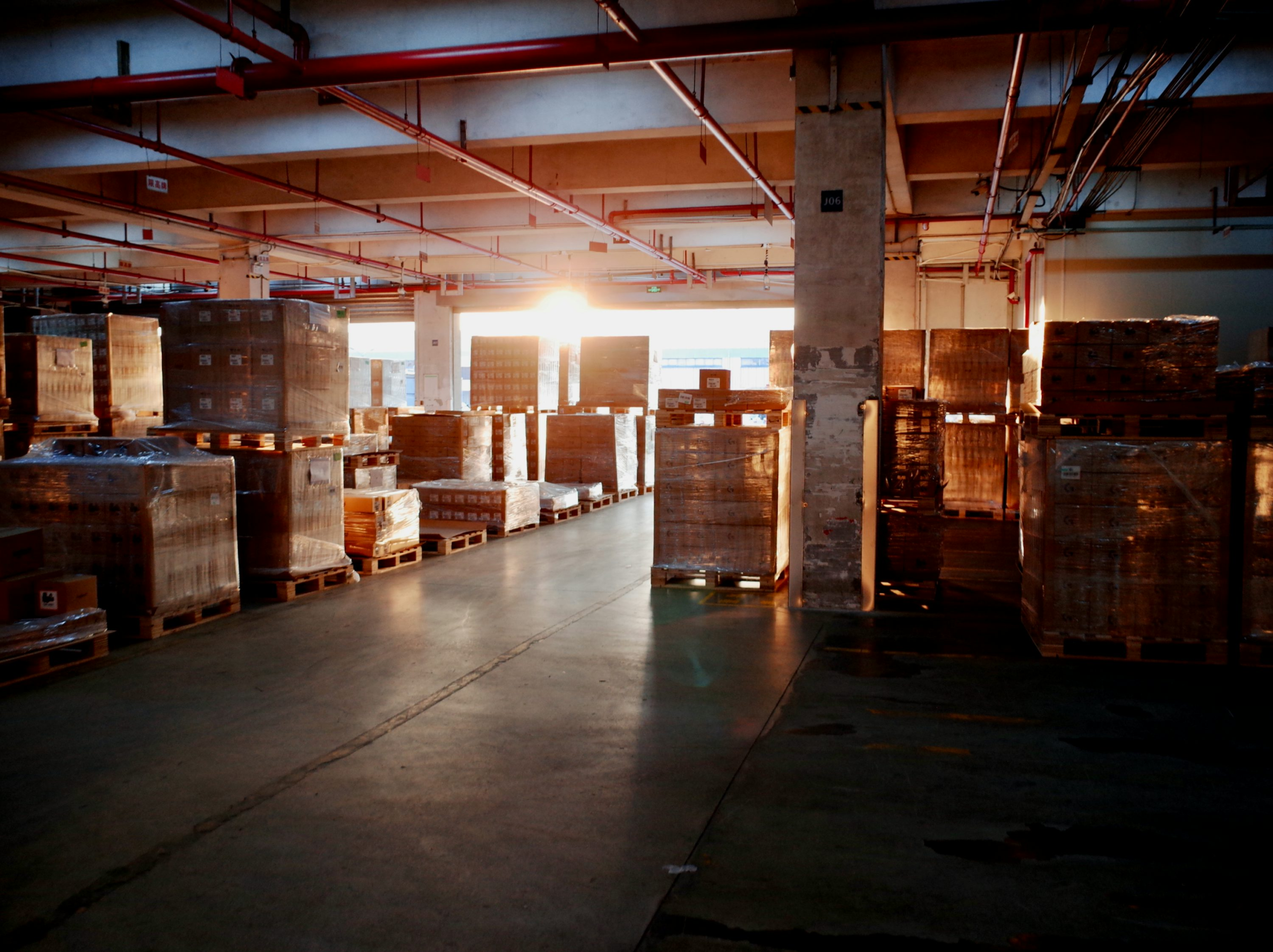
- Maersk has opened a consolidation facility providing more than 16,000m² of space and 15,800m³ of storage capacity.
- Its six-level racking system offers 11,300 pallet positions, with a bonded logistics licence supporting customs-controlled cargo handling.
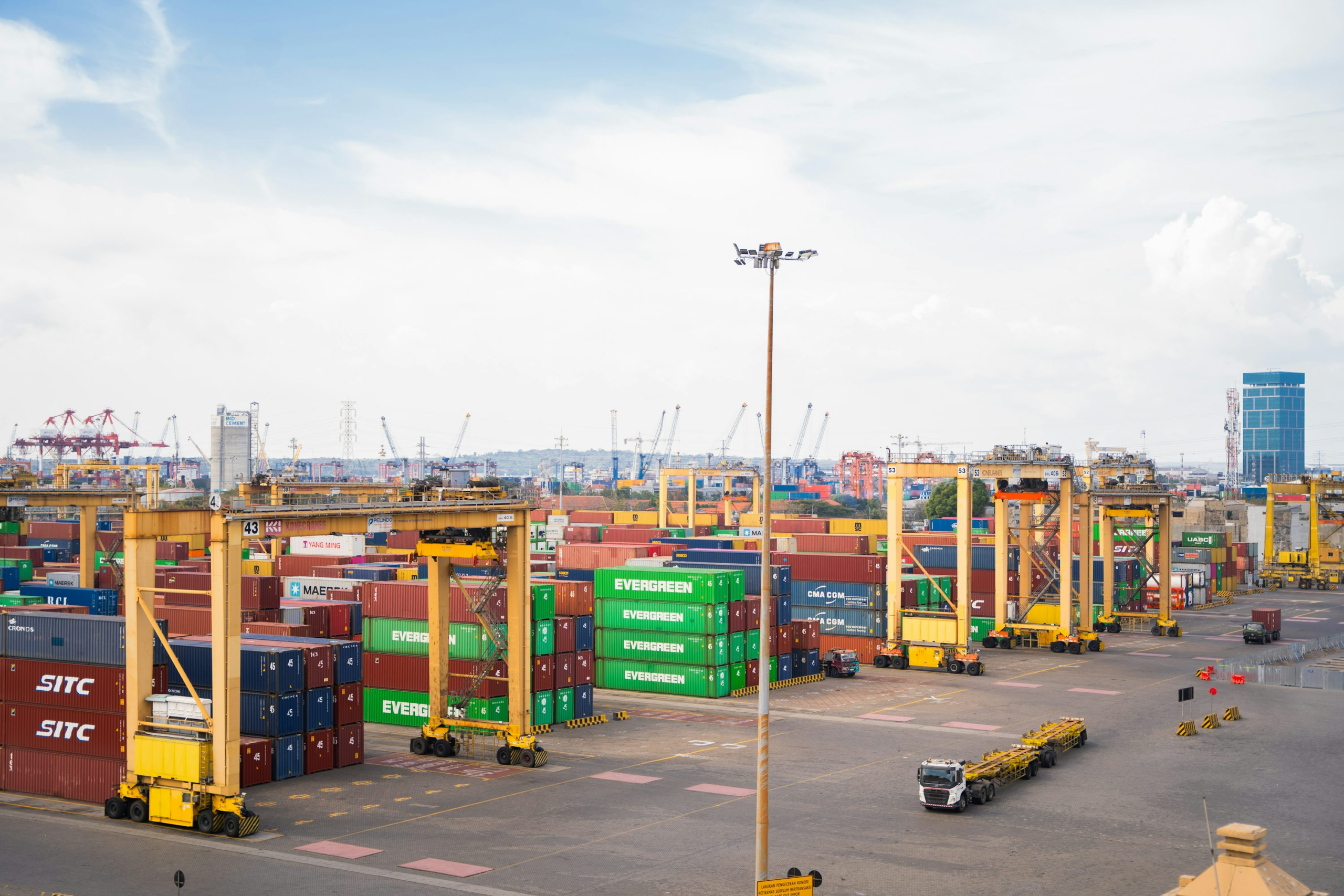
- The centre is located 4km from Tanjung Emas port and 300 metres from Maersk's existing container depot.
A.P. Moller – Maersk has opened a bonded logistics centre in Semarang, Indonesia, adding more than 16,000m² of warehousing and consolidation space close to Central Java’s manufacturing operations. The facility provides 15,800m³ of storage capacity and 11,300 pallet positions across six levels of racking, connecting manufacturers and exporters with customs-controlled warehousing, container depot services, inland transport, and international shipping.
The Semarang Consolidation Centre was inaugurated on 11 November, approximately 4km from the Port of Tanjung Emas, 10km from the airport, and 300 metres from Maersk’s existing container depot. Its location brings storage and export preparation into an established logistics area, reducing the distance between the warehouse and facilities used to manage container equipment. Cargo can also be connected to alternative Indonesian gateways through inland transport where shipping requirements make those routes appropriate.
Central Java has developed manufacturing clusters supplying domestic and international customers, including producers of footwear, garments, and furniture. Export activity in these industries involves the movement of finished goods from factories into warehouses, consolidation facilities, and onward transport networks. Production schedules and customer orders do not always coincide with available vessel departures, making temporary storage and the coordination of container movements important parts of the export process.
Maersk has developed the facility around these requirements, allowing manufacturers to consolidate cargo closer to production sites before dispatch. Goods arriving from different facilities can be assembled into consignments according to destination, shipment schedule, and handling requirements. Consolidation can improve container utilisation where compatible cargo movements are combined, although the outcome depends on shipment volumes, dimensions, and the arrangements agreed with individual exporters.
The facility operates under a Pusat Logistik Berikat (PLB), or Bonded Logistics Centre, licence. This establishes a customs-controlled environment in which qualifying goods can be stored and managed under the applicable Indonesian regulatory procedures. Exporters can use bonded storage to coordinate inventory and consolidation activities while maintaining the records and controls required for subsequent cargo movements. The licence does not remove customs obligations or guarantee that every category of goods can be handled under identical conditions.
Customs-controlled warehousing gives manufacturers additional flexibility when goods are ready for dispatch before their associated international shipment has been arranged. Finished products can remain in the logistics network while customers confirm quantities, transport bookings, and shipping requirements. Where orders involve several suppliers, consolidation allows the individual consignments to be brought together before loading, provided their commercial and documentation requirements are compatible.
Storage capacity at Semarang is organised around a six-level racking system providing 11,300 pallet positions. The number of pallet positions indicates the facility’s designed storage locations, while the separate 15,800m³ figure describes volumetric capacity. Neither measure establishes the number of pallets or tonnes that can be processed each day. Throughput will also depend on goods-handling equipment, loading activity, warehouse procedures, and the rate at which consignments arrive and depart.
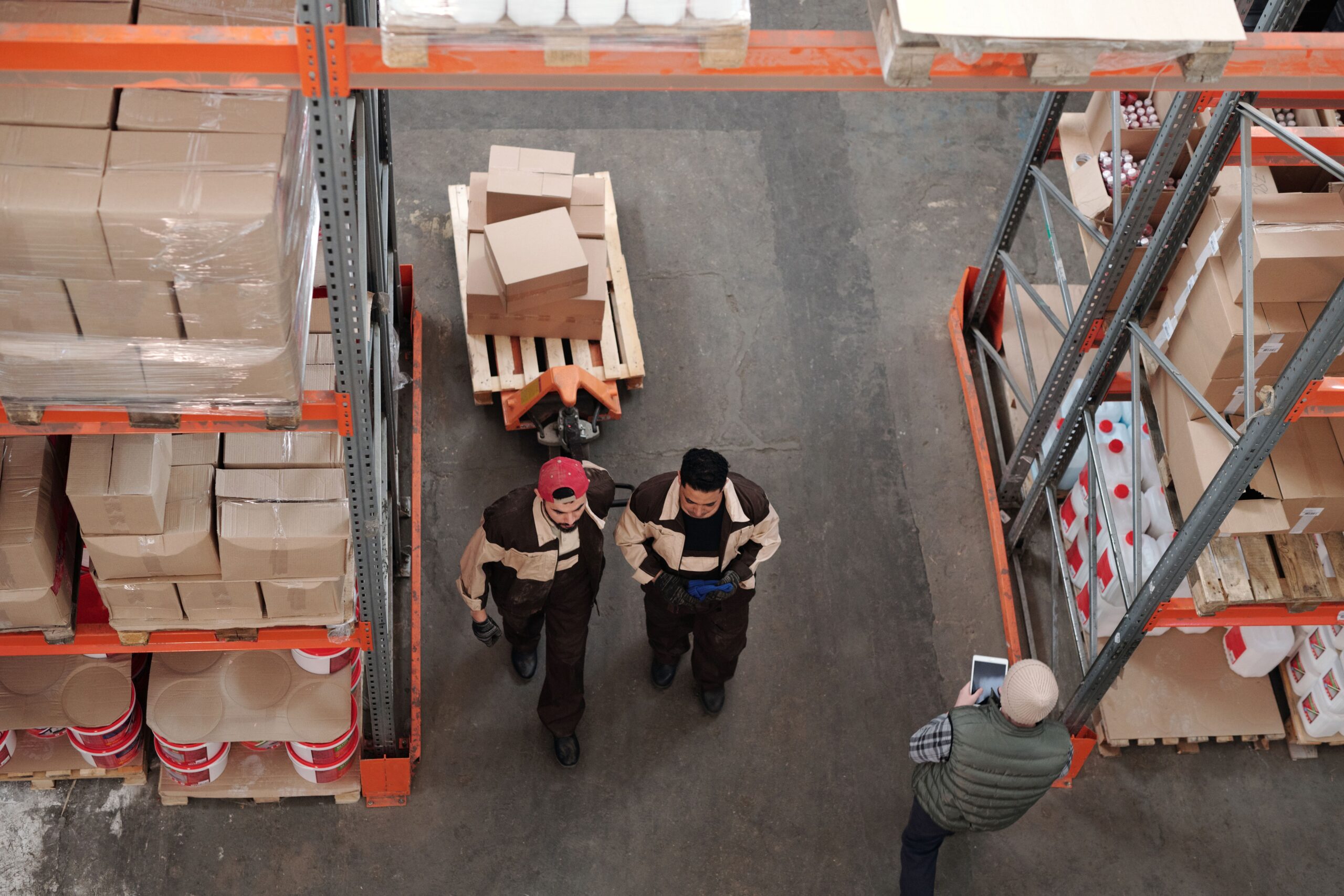
Export warehousing requires coordination between goods receiving, stock identification, storage, picking, consolidation, and outbound loading. Cargo received from several manufacturers must be recorded accurately so that goods can be identified against the correct customer orders and shipping documents. Those records become especially important within a bonded environment, where physical inventory must remain consistent with the information used for customs administration and onward transport.
Maersk’s adjacent container depot adds another element to the operating arrangement. Exporters need access to suitable empty containers, together with services supporting their preparation and subsequent movement. Locating warehousing and depot activities close together gives the operator opportunities to coordinate container availability with the goods awaiting loading. The company has not published a quantified reduction in container repositioning distances, truck journeys, or export lead times resulting from the development.
Container utilisation depends on matching the equipment supplied to the cargo being shipped. Goods may differ in weight, dimensions, packaging, destination, and handling requirements, limiting the opportunities to combine consignments. A consolidation centre provides the physical space and operating processes needed to organise compatible loads, but it cannot eliminate the commercial and technical constraints associated with individual shipments.
Transport coordination remains necessary after the containers have been loaded. Access to Tanjung Emas provides a nearby maritime connection, while other gateways may be used where vessel services or customer destinations require different routes. Inland transport schedules must be aligned with port receiving arrangements and shipping cut-offs, with allowances for customs procedures and the time required to move cargo between facilities.
The investment expands an established Maersk network in Indonesia. Before the Semarang opening, the company reported operating more than 128,000m² of warehouse space across 15 locations in the country, alongside container depots, customs clearance, consolidation, inland transport, and ocean freight services. The new centre strengthens its presence near manufacturing origins rather than introducing warehousing services into an entirely new national market.
Indonesia’s trade activity provides a broader commercial setting for the expansion. Maersk reported that the country’s exports of goods and services increased by 7.03% in 2025, while Central Java continued to develop its manufacturing and sourcing operations. Growing export activity requires sufficient storage, freight handling, and transport capacity, particularly where goods originate outside the immediate areas surrounding major international container terminals.
Elaine Low, managing director of Maersk South East Asia, said: “Our investment in Semarang reflects a simple principle: we want to invest where our customers are growing.” She identified the opportunity to bring warehousing, depot, inland, and ocean capabilities closer to the manufacturing operations using them, reducing the separation between services that would otherwise be arranged independently.
Physical proximity does not guarantee that every shipment will move faster or at a lower cost. The operating result depends on the quality of inventory information, the availability of container equipment, customs compliance, and coordination between the warehouse and transport network. The Semarang facility nevertheless adds substantial storage and consolidation infrastructure within 4km of Tanjung Emas, with operations formally inaugurated on 11 November.