IN Brief:
- DP World reports moving more than one million TEU through alternative inland freight corridors since the first week of March 2026.
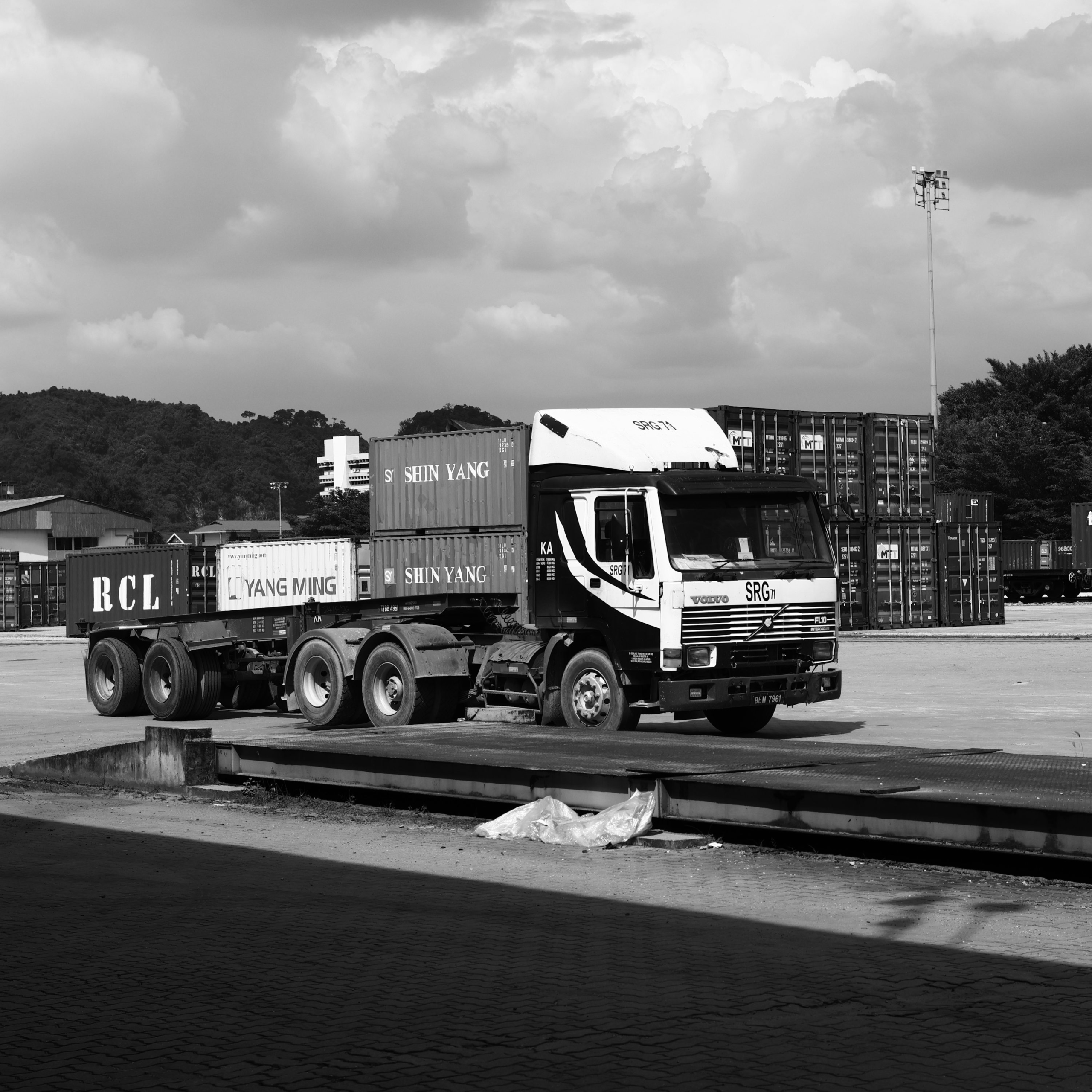
- Bonded routes connect the UAE's eastern gateways and Oman with Jebel Ali, supported by approximately 3,000 trucks managed and operated by the company.
- Jebel Ali's second-quarter container throughput fell 90.1% year on year, while shipping lines indicate that normal service restoration could take one to three months after safe passage resumes.
DP World has moved more than one million twenty-foot equivalent units (TEU) through alternative road and rail corridors since the first week of March, expanding inland freight operations as disruption to maritime traffic through the Strait of Hormuz continues. The Dubai-based operator has established bonded cargo routes connecting ports on the UAE’s eastern coast with Jebel Ali, alongside additional arrangements involving Omani gateways and regional logistics facilities.
Ahmad Yousef Al-Hassan, chief executive of DP World GCC, confirmed the latest cargo total during a Dubai media roundtable on 10 November. The company has expanded from having no dedicated truck fleet for the emergency operation to managing and operating approximately 3,000 trucks. It previously reported moving 500,000 TEU across its regional inland network by August, indicating substantial additional cargo movements during the intervening months.
The current fleet figure is distinct from DP World’s earlier statement that its GCC road network supported approximately 3,000 truck movements each day. The first describes vehicles under management, while the second measures activity across the network. Neither can be converted directly into a daily container throughput figure without information about utilisation, journey lengths, vehicle configuration, and the number of containers carried per movement.
The rapid expansion follows a severe reduction in vessel traffic serving Jebel Ali. In the second quarter of 2026, container throughput at the port fell 90.1% year on year, from approximately 3.8 million TEU to 374,000 TEU. The terminal has remained operational, with the principal restriction arising from access through the Strait rather than a loss of cargo handling capability at Jebel Ali itself.
Shipping lines have consequently used alternative ports outside the disrupted maritime approaches, transferring containers to inland transport for delivery into the UAE and neighbouring markets. The arrangement requires cargo to be discharged at a different gateway, assigned to a road or rail movement, and transferred through the relevant customs procedures before continuing towards its destination.
DP World established bonded routes from eastern UAE gateways into Jebel Ali and developed additional connections through Sohar and Duqm in Oman. These arrangements involve cooperation with government authorities, customs agencies, shipping lines, and other port operators. At terminals outside its own estate, DP World has also provided equipment and personnel to help accommodate redirected freight.
Customs coordination is an essential part of the operation. Goods transferred between designated locations under an authorised bonded movement remain subject to customs controls until the relevant procedure is completed. The documentation must identify the cargo, its permitted route, and the responsible parties. Moving a container to an alternative port does not remove import requirements, and any onward movement still depends on the arrangements applicable to its origin, destination, and customs status.
The inland corridors have required additional transport capacity as cargo that would normally travel directly to Gulf ports has been redirected through different maritime gateways. Road vehicles can provide relatively flexible connections between terminals, depots, warehouses, and industrial customers, although their effectiveness depends on available drivers, loading facilities, border processing, and road conditions. Longer journeys also increase vehicle operating time and can create additional demand for equipment and storage space.
Rail has provided a complementary means of moving freight where compatible services and terminal connections are available. DP World has used its Jebel Ali Rail Terminal as part of the wider inland response, linking rail movements with other handling and transport activities. The company has not released a breakdown showing how much of the one-million-TEU total moved exclusively by road or rail, so the relative contribution of each mode remains unquantified.
Empty-container repositioning presents a further operational constraint. Once cargo has been unloaded, the container must be returned to an authorised location or made available for a subsequent shipment. A diversion through an alternative port can leave empty equipment outside its normal shipping line network, creating additional road movements and storage requirements. DP World has worked with carriers on these movements while expanding its own container depot facilities.
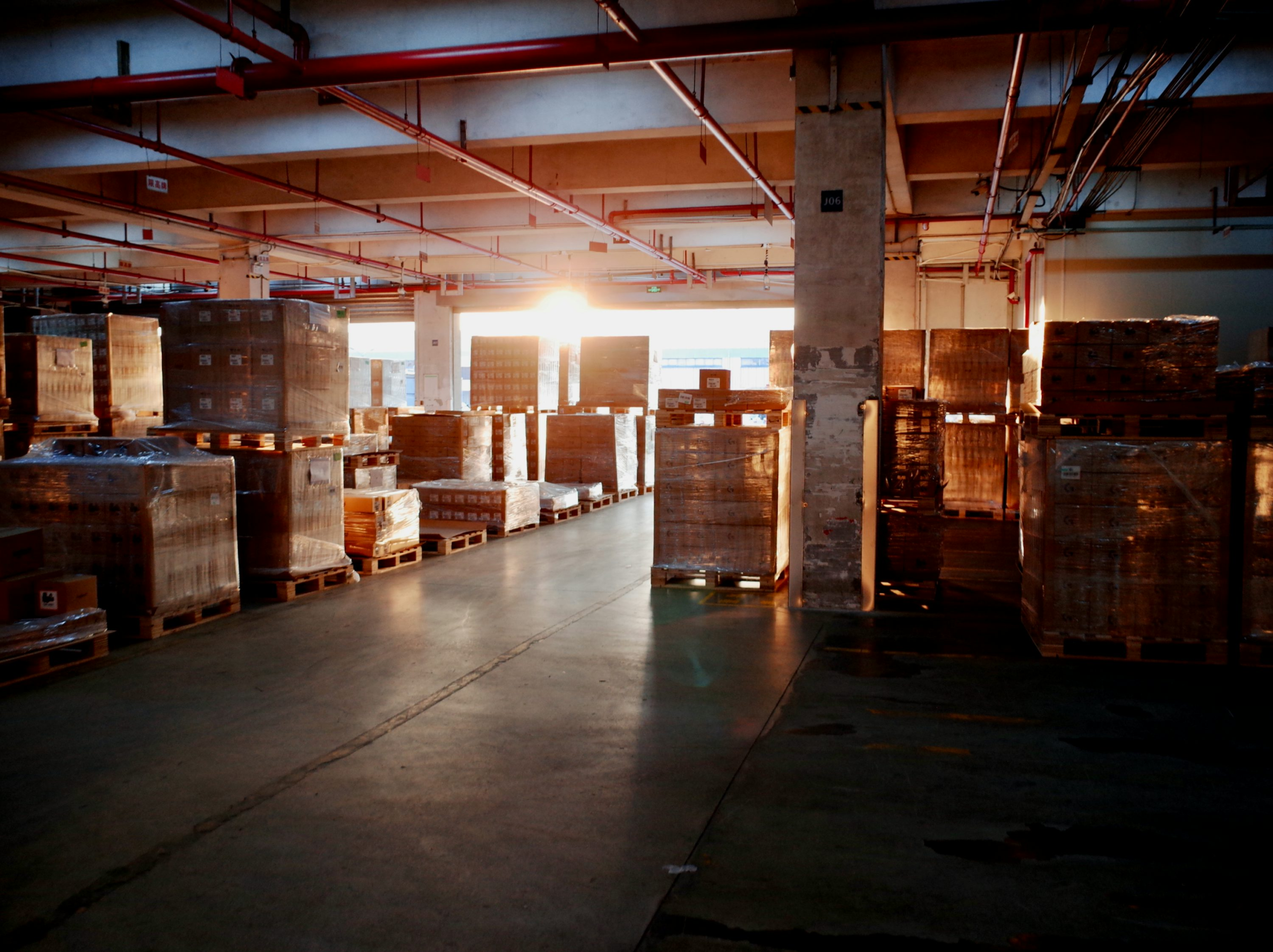
The company’s 100,000m² empty-container depot at Al Awir in Dubai provides storage and release capacity outside Jebel Ali. It handles 20ft, 40ft, and 45ft empty containers and offers inspection, condition reporting, and inventory management services. Access to Emirates Road connects the depot with industrial and logistics areas across Dubai, Sharjah, and the Northern Emirates, providing an additional location for equipment collection and return.
Freight costs have risen alongside the changes in routing. Al-Hassan reported that container shipping rates from China to Dubai had increased from around $2,000 before the disruption to approximately $10,000–$12,000. Longer inland movements, higher diesel prices, and congestion have added further expense. These figures describe rates observed by the operator rather than a standard charge applying uniformly to all container sizes, carriers, or commercial arrangements.
DP World has absorbed some transport costs and worked with shipping lines to address the expense of moving containers through alternative gateways. Those measures do not establish that redirected cargo is commercially equivalent to shipments moving through its former maritime route. Additional handling, storage, inland transport, and equipment repositioning can change the total delivered cost, even when the original shipping contract remains in place.
Investment in permanent alternative infrastructure is progressing alongside the temporary arrangements. DP World has proposed spending AED2bn–AED3bn on two terminals in Fujairah, outside the Strait of Hormuz. The developments include a container terminal near Fujairah airport with proposed capacity of 2.5 million TEU and a general cargo terminal at Dibba. An initial phased start is targeted within 18–24 months, although the facilities are not yet operational.
The company intends to connect these future gateways with its existing logistics and free zone operations rather than use them solely during maritime emergencies. Cargo destined for the Northern Emirates, for example, may be able to enter through an eastern port without being transferred through Jebel Ali. Actual routing decisions will depend on the shipping services available, inland transport arrangements, and the costs associated with each gateway.
Jebel Ali remains central to DP World’s regional network. The port has annual container capacity exceeding 20 million TEU, while the adjacent Jebel Ali Free Zone accommodates more than 12,000 businesses. Despite reduced vessel traffic, the operator has maintained terminal equipment and operational readiness in preparation for shipping services returning when maritime security conditions permit.
Shipping lines consulted by DP World have indicated that restoring services to Jebel Ali could take between one and three months after safe passage through the Strait resumes. The estimate depends on the ability of carriers to reposition vessels, reinstate rotations, and restore scheduled connections. It is not a confirmed date for the reopening of the maritime route or for the recovery of previous container volumes.
Additional Gulf investments continue to develop. DP World’s South Container Terminal at Jeddah Islamic Port recorded high throughput during July and October as cargo flows shifted towards Red Sea gateways. The operator is also preparing a $250m logistics park in Jeddah for opening in the first quarter of 2027, adding to its regional network of port and inland logistics facilities.
The reported one-million-TEU movement establishes the scale of the alternative corridors established during the disruption, while the fall in Jebel Ali’s vessel traffic shows the limits of replacing established maritime connections with inland transport. DP World expects its contingency network to remain available after shipping through the Strait resumes, with the future balance between road, rail, and direct maritime movements determined by service restoration and customer demand.