IN Brief:
- Busan Port Authority signed a digital and AI cooperation agreement with Samsung SDS on 10 November.
- The partners will examine logistics connectivity, smart-port applications, digital twins, and information systems.
- Joint projects remain to be defined, with no disclosed implementation budget, pilot deployment, or operational performance target.
Busan Port Authority (BPA) has signed an agreement with Samsung SDS to develop cooperation on digital and artificial intelligence technologies for port and logistics operations. The memorandum of understanding, signed at BPA’s headquarters on 10 November, brings together port operating expertise with capabilities in global logistics software, digital twins, cloud infrastructure, and AI, with improved operational efficiency and safety among its objectives.
The organisations will examine digital integration across global logistics activities, the application of AI to smart-port operations, and opportunities for regular technical and operational exchanges. BPA and Samsung SDS had previously discussed possible cooperation and shared experience in logistics system operations. The new agreement formalises that relationship, providing a framework through which potential projects can be identified and evaluated.
No specific deployment has been commissioned under the memorandum of understanding, and the partners have not disclosed an investment amount, implementation schedule, or technical specification for a future system. The cooperation therefore represents an early stage of technology development rather than the installation of new automated handling equipment or the introduction of a completed port management platform.
Samsung SDS brings experience from both enterprise technology and international logistics. Its operations include the Cello Square digital logistics platform, freight forwarding, transport management, and information systems supporting the movement of goods. The company’s technology portfolio also covers cloud services and AI applications, providing capabilities that could be relevant to the integration of logistics information across a complex port environment.
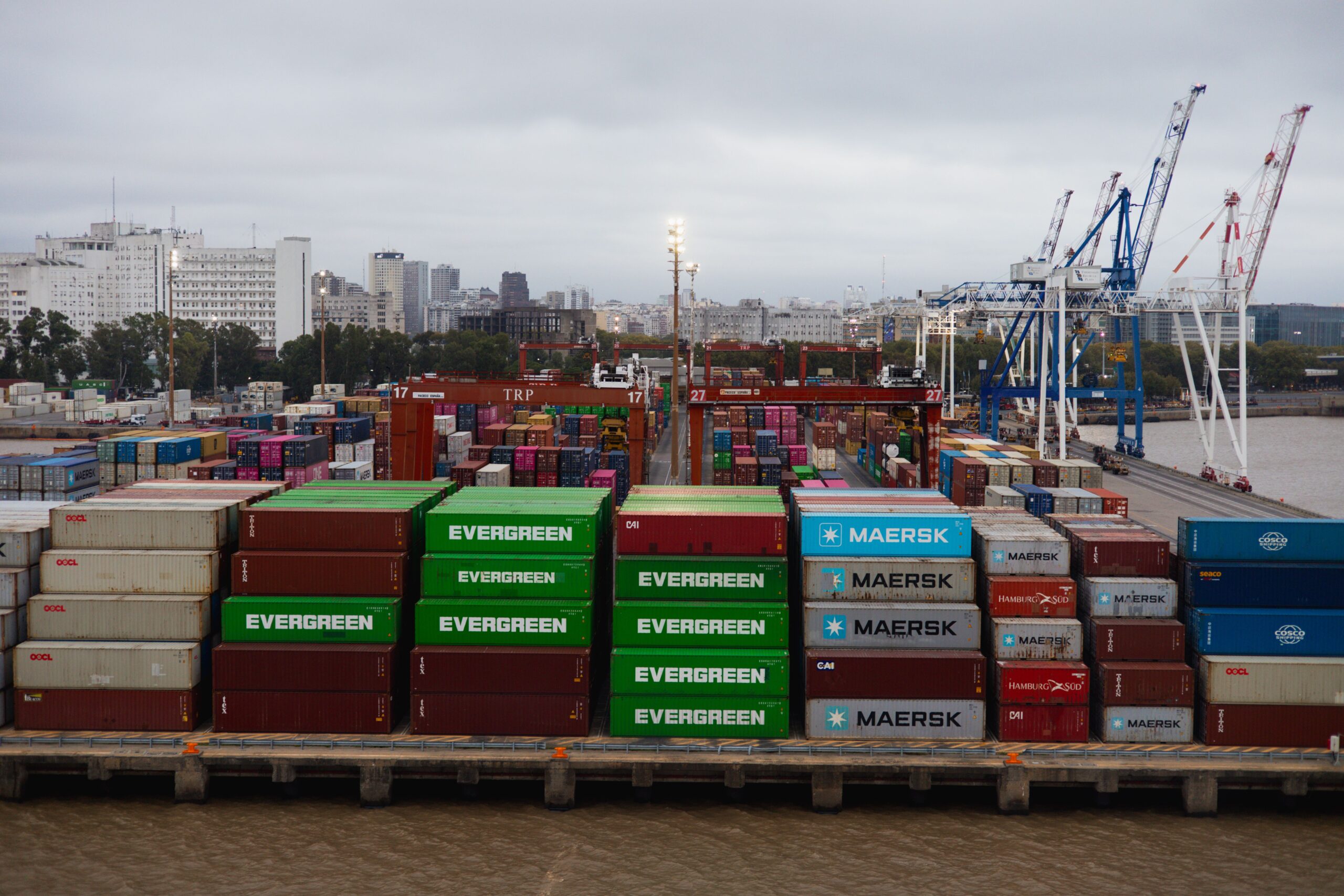
Container terminal operations depend on information generated by several connected activities. Vessel arrival schedules influence berth allocation, while cargo discharge and loading plans determine the sequence of crane operations and the movement of containers through storage areas. Road and rail connections introduce further timing requirements, particularly when inbound containers must be made available for collection or export cargo must reach the terminal before vessel cut-offs.
The accuracy and availability of operational information are central to coordinating these movements. Terminal systems need to maintain reliable records of container locations, planned equipment activity, and outstanding transport tasks. When different organisations or systems use incompatible information, additional checks may be necessary before a container can move to its next destination. The proposed cooperation includes digital connectivity that could support closer coordination between these activities.
Integrating port and logistics data also introduces technical requirements concerning information formats, system interfaces, and access permissions. Data from a terminal operating system may be used for a different purpose from information held by a freight forwarder or transport provider. Connections between them must preserve the meaning of individual records while ensuring that commercial information is available only to organisations authorised to receive it.
Digital twins represent another area of expertise identified in the agreement. These systems use digital representations of physical assets or operating environments to examine processes and potential changes. Within a port, a sufficiently detailed model could support the assessment of yard layouts, equipment movements, or different traffic conditions. Such applications depend on the accuracy of the underlying data and the extent to which the digital representation reflects actual operational constraints.
A simulation of container movements cannot establish reliable operating outcomes without accounting for equipment characteristics, handling sequences, and the availability of infrastructure. Cranes and terminal vehicles have defined operating areas, while berth access and yard capacity place limits on the number of containers that can be handled at particular locations. Any future digital twin developed for Busan would need to represent these constraints before being used to support operational planning.
Artificial intelligence could be applied to information generated by those systems, potentially assisting with the identification of unusual operating conditions or changes in demand for handling resources. However, neither BPA nor Samsung SDS has identified a particular AI model or confirmed which decisions might be supported by automated analysis. The agreement establishes the intended direction of cooperation without specifying individual products or functions.
Operational safety is a stated objective of the partnership. Container terminals bring together lifting equipment, heavy vehicles, stored cargo, and personnel within areas where movements must be carefully coordinated. Digital systems can provide additional information to support operational controls, but their use must remain compatible with established safety procedures and the requirements governing equipment operation.
Reliability becomes especially important when digital tools are connected to systems used during active cargo handling. Delayed or inaccurate information can affect decisions about container movements or resource allocation. New interfaces therefore require appropriate testing, while cybersecurity arrangements must protect systems and commercial data from unauthorised access. The partners have not disclosed a safety validation programme or cybersecurity architecture for any future deployment.
Samsung SDS’s logistics business provides a commercial foundation for the cooperation. The company reported second-quarter 2026 logistics revenue of KRW1.9553 trillion, an increase of 6.6% year on year. Growth was supported by air forwarding, inland transport, warehousing, and external logistics activities associated with Cello Square. These are figures for Samsung SDS’s wider business and do not represent revenue from the newly announced Busan partnership.
Busan is also pursuing separate investments in physical port infrastructure. In October, Dongwon Global Terminal Busan outlined a KRW200bn programme for additional handling equipment and operating systems through 2028. That investment concerns a particular terminal operator and is separate from BPA’s agreement with Samsung SDS, although both developments reflect the continued introduction of digital and automated technologies into the port environment.
Combining physical infrastructure with digital operating systems requires coordination between equipment manufacturers, terminal operators, technology providers, and the authorities responsible for port operations. A new handling system may generate information that needs to be exchanged with existing software, while changes to the scheduling of cargo movements can affect transport providers working outside the terminal. These dependencies make system compatibility an important consideration during the development of new projects.
Song Sang-keun, president of Busan Port Authority, said the cooperation would support the port’s transition towards digital and AI-based operations. He identified the combination of the authority’s operating knowledge and Samsung SDS’s technology capabilities as a means of developing a safer and more efficient port. The organisations intend to identify further opportunities through their continuing technical exchanges.
The immediate result is an agreement establishing areas of cooperation between an established port authority and a major logistics technology provider. Any subsequent deployment will require decisions about individual systems, participating terminals, investment, and operating responsibilities. Those decisions will determine whether the partnership produces measurable changes in cargo handling efficiency, information sharing, or safety performance at Busan.