IN Brief:
- Dongwon Global Terminal Busan plans KRW200bn of further port automation investment by 2028.
- The proposed spending covers automated transport vehicles, cargo-handling equipment and terminal operating systems.
- The port investment forms part of a KRW300bn agreement that also includes a separate medical manufacturing project.
Dongwon Global Terminal Busan plans to invest about KRW200bn in additional automated port equipment and operating systems at Busan New Port by 2028, under a memorandum of understanding signed on 20 October. The project concerns the west container terminal area in Jinhae, Changwon, and covers equipment used to move containers across the terminal, cargo-handling machinery and the software required to co-ordinate terminal operations. The investment programme is expected to create 88 jobs, although procurement contracts and a phased construction timetable have not been disclosed.
The agreement was signed with the Busan-Jinhae Free Economic Zone Authority, South Gyeongsang Province and Changwon City during an investment promotion event in Seoul. A separate agreement with medical products manufacturer Young Chemical brings the combined announced investment to KRW300bn and projected employment to 148 posts. Those aggregate figures should not be confused with Dongwon’s own programme: the terminal operator accounts for KRW200bn and 88 proposed jobs, while Young Chemical’s manufacturing project is distinct from the port upgrade.
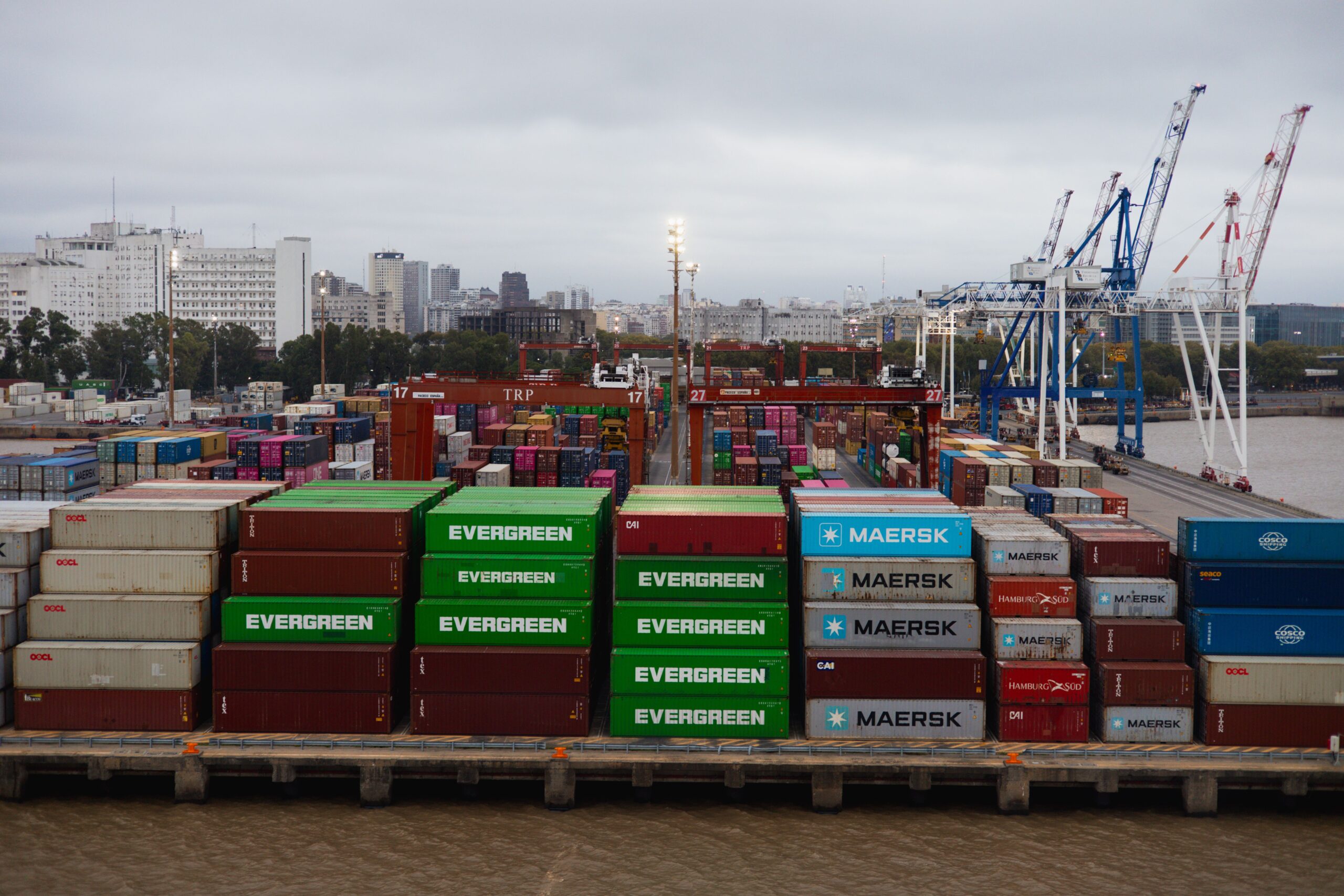
Dongwon is already operating an automated container terminal at Busan New Port. Its facility began operation in April 2024 and was described by the regional authority as South Korea’s first fully automated container terminal. The latest announcement therefore concerns the expansion of an operating automation environment rather than a decision to automate a conventional terminal for the first time. Existing equipment, traffic patterns and software interfaces will form part of the setting into which any new machinery is introduced. Dongwon identifies ship-to-shore cranes, automated rail-mounted gantry cranes and automated guided vehicles among the technologies already used at the terminal. Each occupies a different part of the container-handling sequence, so extensions to one class of equipment must be considered against the capacity of the others.
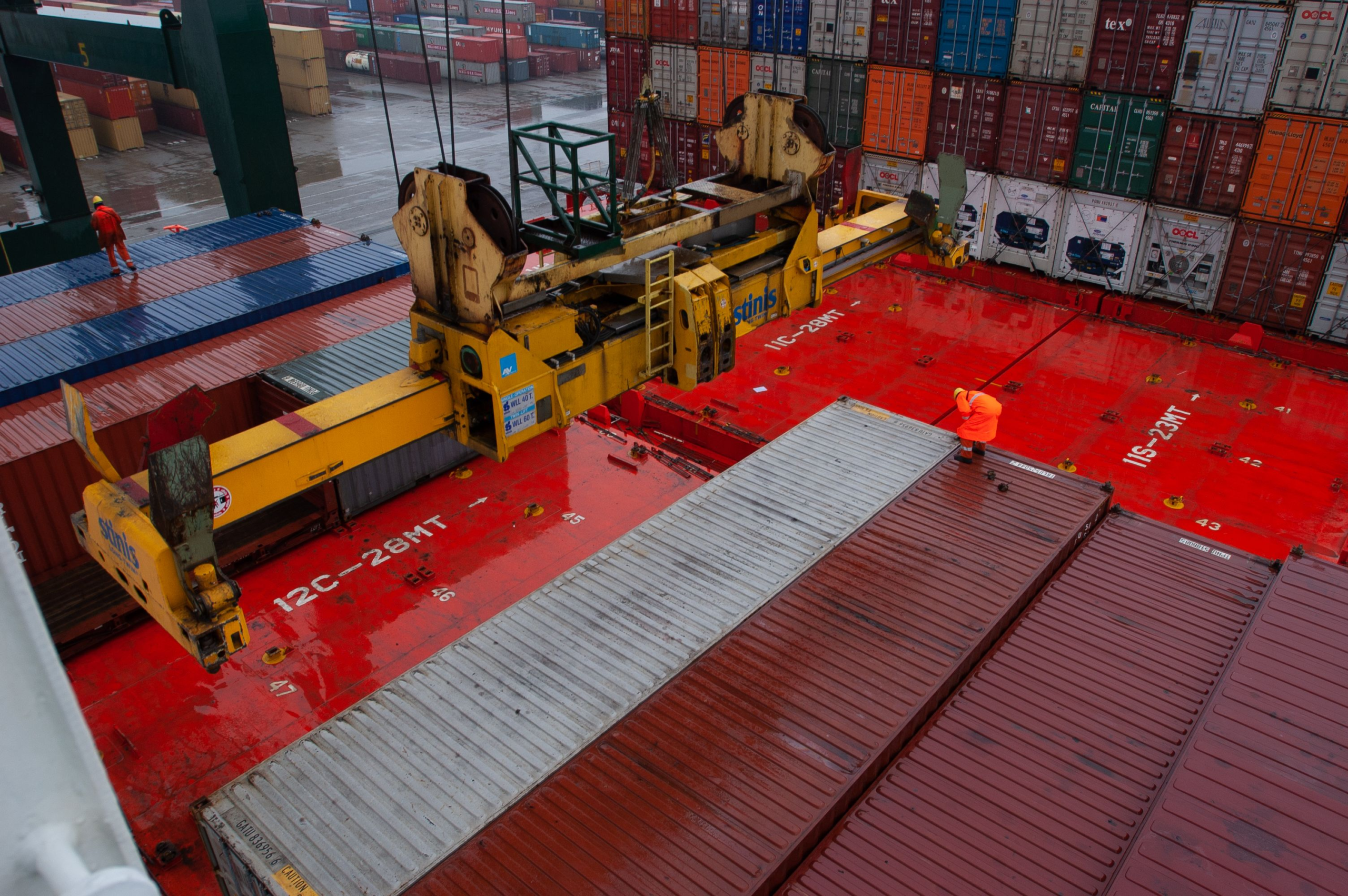
At a container terminal, every crane discharge triggers a sequence of instructions for transporting, recording and stacking the box before onward collection. Automated guided vehicles move containers between handling points, while rail-mounted gantry cranes place and retrieve them in storage blocks. The terminal operating system must match each container identity and destination to available machinery, giving the transport fleet a dispatch instruction that does not conflict with crane operations or another vehicle’s route. These exchanges depend on reliable location and equipment status data, particularly when new machines join an established fleet.
Additional vehicles do not automatically translate into a matching increase in throughput. Roadway conflicts, crane handover times, stacking capacity and the number of available transfer positions can each become a bottleneck. New vehicles must be incorporated into dispatching, safety and maintenance arrangements so that an improved transfer rate at one point does not simply push congestion into another part of the terminal. Dongwon has not released equipment counts, planned automation suppliers or verified capacity forecasts for the latest spending commitment.
The operating software must assign work, follow container locations, respond to delays and distinguish equipment faults from ordinary changes in the vessel and yard schedules. Machinery controls also need defined interfaces with existing dispatch and safety systems so that instructions remain consistent during handover. Dongwon’s agreement identifies spending on operating systems, but does not say whether the present software will be replaced, extended or upgraded. Equipment counts, suppliers, autonomous vehicle performance and measurable efficiency gains have not been disclosed for the additional investment.
The proposed site is part of the wider Busan New Port complex, a major Korean gateway with connections to international container services and inland logistics networks. Terminal handling reliability influences vessel time alongside and the predictability of container availability for onward collection. The operational value of the investment will depend on whether equipment additions support smoother exchanges among quay handling, internal transport and landside collection, rather than on the nominal value of the equipment programme alone.
The investment agreement forecasts 88 new Dongwon jobs without identifying the balance between operations, maintenance, engineering and other functions. Automated terminals still require technicians to maintain machinery, personnel to oversee safety and operators to intervene when equipment or information systems cannot resolve an exception. The employment estimate refers to positions expected from the proposed investment; the authority has not reported that those jobs have already been created. Young Chemical’s separate 60 proposed jobs account for the difference between Dongwon’s figure and the projection of 148 jobs.
The investment programme runs to 2028, although the parties have not announced equipment orders, system integration partners or a commissioning schedule. The port authority has said it will support administrative procedures and permits associated with the announced investments. Dongwon’s expansion will become measurable as equipment contracts, installation dates and operating results are established; the KRW200bn figure currently describes a planned programme, not equipment already deployed or additional berth capacity already delivered.