IN Brief:
- TCI Express has outlined ₹500 crore of investment over five years and opened sorting sites in Ahmedabad, Lucknow and Kolkata.
- The three locations collectively cover approximately 400,000 square feet, taking company-owned sorting centres to 28.
- Ahmedabad and Kolkata are designated for full automation, with operational benefits dependent on completed systems and measured throughput.
TCI Express has outlined a further ₹500 crore investment programme for its Indian distribution network over the next five years, alongside the opening of company-owned sorting centres in Ahmedabad, Lucknow and Kolkata. The three facilities together cover approximately 400,000 square feet and bring the company’s stated network of owned sorting centres to 28. The expansion combines additional physical handling space with planned automation and investment in individual transport service divisions.
The investment programme spans domestic air express, ecommerce express and surface express services. Each places different demands on the network: air consignments must connect with airport acceptance windows, surface shipments depend on scheduled line-haul vehicles, and ecommerce consignments often arrive in large numbers of smaller units. Sorting capacity must match these arrival patterns while allowing time for scanning, segregation and dispatch. As volumes rise, delays at a single hub can affect several downstream transport connections.
TCI Express reported year-on-year growth of 29.4% in domestic air express, 51.6% in ecommerce express and 9.4% in surface express during the September quarter of its current financial year. These are growth rates for service divisions, not a combined company revenue figure or a measure of packages handled by the new centres. Their different pace helps explain the investment emphasis, but the announcement does not specify how much of the ₹500 crore will be allocated to each business or site.
Sorting centres form an intermediate stage in a national express distribution network. Shipments arriving from branches and collection points must be identified, scanned, routed towards the correct destination and assembled for scheduled outgoing vehicles or other transport connections. The handling process becomes more complex as the number of origin and destination pairs increases. Additional sites can redistribute processing activity geographically, although the resulting service performance depends on routes, operating hours and handling equipment rather than floor space alone.
The new facilities are spread across western, northern and eastern India. Ahmedabad provides an additional operating point in Gujarat, Lucknow serves Uttar Pradesh, and Kolkata extends owned capacity in eastern India. Their combined floor area offers a measure of the company’s new physical footprint, but the release does not identify the processing capacity of each building. It also does not break down the 400,000 square feet between the three locations or specify the number of conveyor lines, chutes or vehicle bays installed.
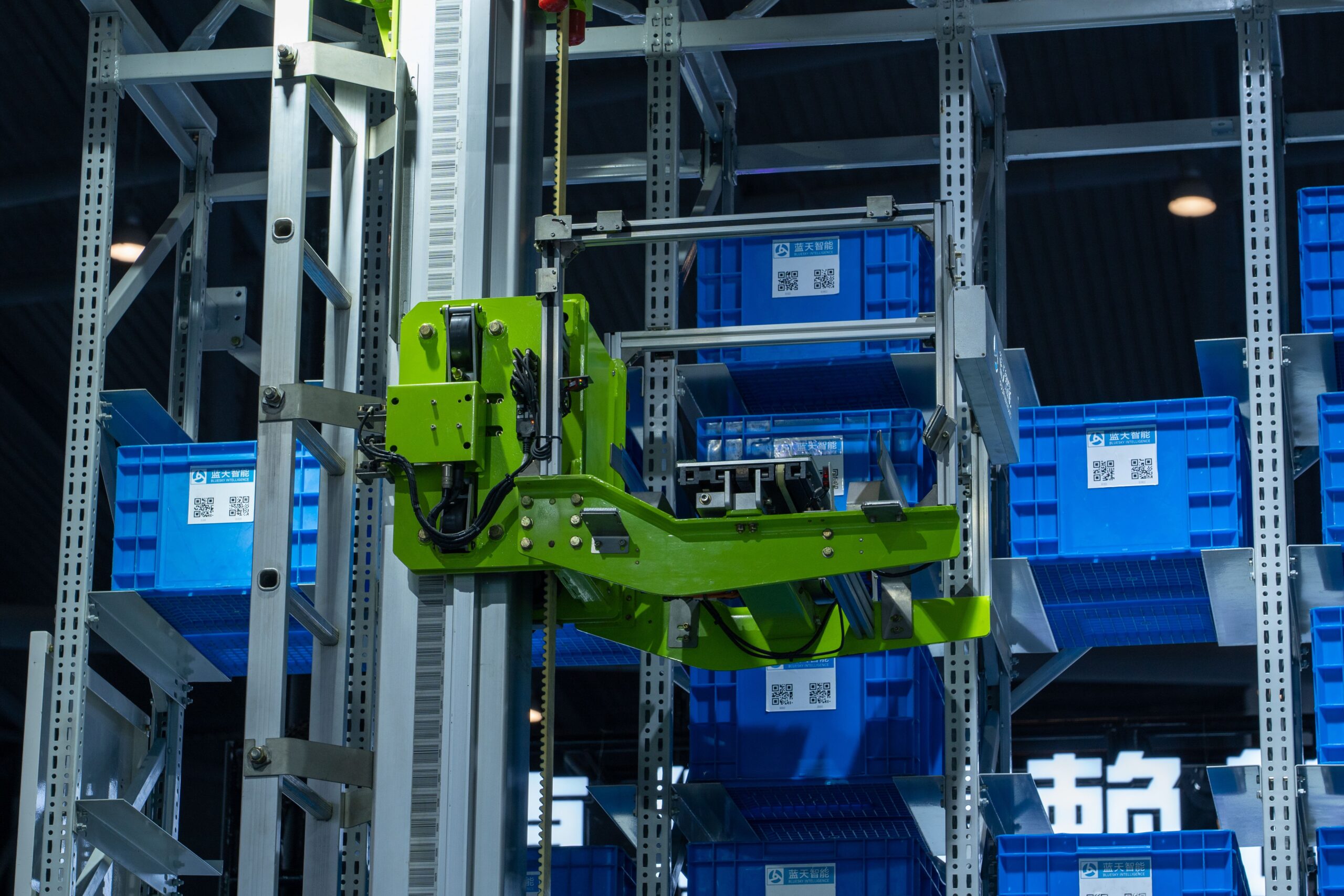
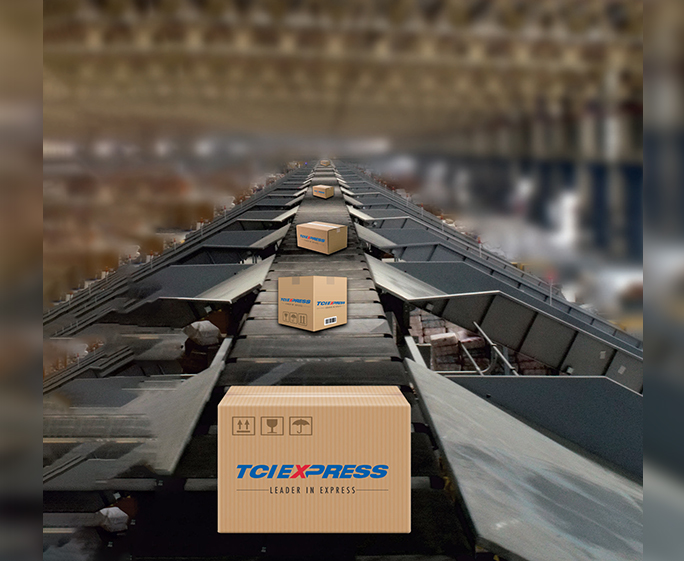
Ahmedabad and Kolkata are identified for fully automated sorting operations. A mechanised or automated sorter can identify a consignment, divert it towards a designated discharge point and reduce the manual movement needed to separate shipments by route. Its practical throughput is constrained by induction capacity, spacing between items, equipment availability and downstream collection of sorted cargo. TCI Express has not identified an equipment supplier, installation specification or measured hourly throughput for these two facilities.
The company says Ahmedabad and Kolkata are intended to operate as fully automated sorting centres, bringing its eventual automated network total to four. Earlier earnings commentary placed additional automation installation work at these locations in later quarters. Their buildings have opened, but the latest public statement does not provide commissioning dates for individual equipment lines or verified throughput after automation. The two stages — opening a sorting centre and completing its planned automated operations — should therefore be recorded separately.
TCI Express already operates automated sorting assets, including its Gurugram and Pune facilities. The company has previously described reductions in cargo turnaround time achieved through automation at existing sites, but results at one building cannot be transferred directly to another. A smaller item mix, different inbound arrival pattern or changes to loading arrangements can alter the outcome. The new centres will need their own handling and turnaround data before the benefit of automation can be quantified.
The proposed ₹500 crore expenditure covers the next five years and follows an earlier capital investment cycle. In recent earnings commentary, TCI Express discussed a previous FY2023–FY2027 plan that had been revised in size, while the latest release compares the new five-year commitment with investment over the preceding seven years. Those figures refer to different periods and should not be combined into a single budget. Annual spending profiles and allocations among buildings, machinery and service divisions have not been published.
Ownership of sorting centres changes the economics of a distribution network compared with relying wholly on leased space. Buildings controlled for a longer period can accommodate permanent handling systems, but capital is then committed to property and equipment rather than being available for other operational needs. Automation projects also involve maintenance, software integration, spare parts and training beyond installation. TCI Express has given an investment total but not expected payback, network cost per shipment or the financing arrangements for individual projects.
A growing distribution network must also balance trunk transport and sorting capacity. Faster processing at a sorting centre achieves little if a departing vehicle is already full or the receiving branch cannot accept more shipments. Conversely, adding truck departures without enough sorting capacity can lead to consignments missing their booked connection. The company’s stated intention to invest in network optimisation suggests that processing sites and transport schedules will need to be developed together, although no changes to individual routes were included in this release.
The labour requirements of the new facilities will depend on their actual handling arrangements. Automated sorting still needs staff to receive and unload consignments, resolve barcode or routing exceptions, maintain equipment and transfer loads to outbound vehicles. TCI Express expects the wider investment to support regional operations, but has not provided confirmed staffing numbers for the three sites. The division of manual and automated tasks at Ahmedabad and Kolkata will become clearer when the equipment configurations are fully disclosed.
The three centres increase the company-owned sorting network to 28 facilities, while the five-year investment plan sets out a further programme of infrastructure and automation spending. Ahmedabad and Kolkata’s equipment commissioning, together with throughput and vehicle dispatch data from all three new sites, will determine the scale of operational improvement. The public figures establish the investment and expanded footprint; measured handling performance remains to be reported.