IN Brief:
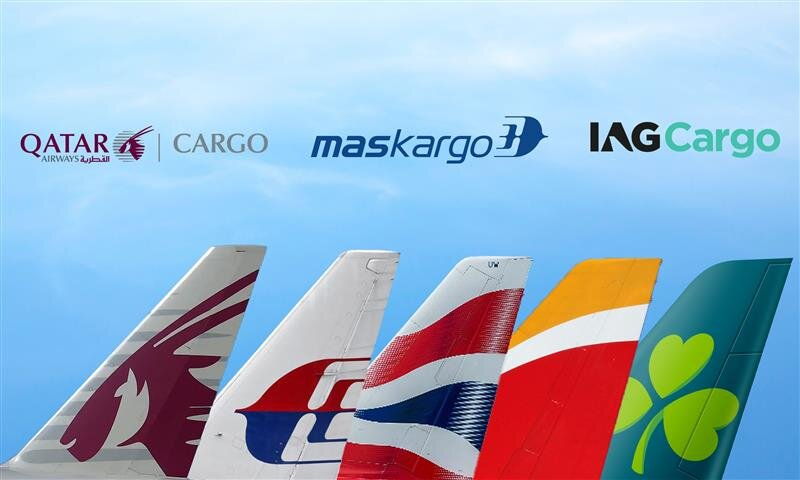
- IAG Cargo, MASkargo, and Qatar Airways Cargo report access to more than 300 destinations in over 60 countries through their joint business.
- The arrangement covers seven airlines, six global hubs, more than 1,000 aircraft, and over 35 dedicated freighters.
- The carriers aim ultimately to extend access beyond 400 destinations, following the first shipment involving all three partners in September.
IAG Cargo, MASkargo and Qatar Airways Cargo now offer coordinated cargo access to more than 300 destinations in over 60 countries through their Global Cargo Joint Business. The milestone extends bookable connections across existing airline networks and associated hubs. It is a commercial and operational integration of air freight services, rather than the introduction of hundreds of new direct flights.
The partners describe a combined network covering seven airlines, six global hubs, more than 1,000 aircraft and over 35 dedicated freighters. They aim ultimately to make more than 400 destinations available through the joint business. The current count is therefore a measure of network access; the larger target remains subject to further routing and process integration. An advertised destination also needs a workable connection and capacity on the requested travel date.
The companies outlined the partnership in 2025 and introduced further routing options from early 2026 as regulatory permissions and operating arrangements progressed. The first customer shipment to move across all three partners was completed in September. The November network milestone follows that movement, while the capacity, frequency and specialist cargo facilities associated with each available routing continue to vary by origin and destination.
Air freight networks operate through two forms of capacity: dedicated cargo aircraft and space in the holds of passenger flights. Freight forwarders combine these with trucking and terminal transfers to construct routings between origins and destinations that may not have a direct freighter service. A network with more possible connections gives forwarders alternatives, but the usefulness of each route also depends on flight timings, connection windows, cargo acceptance rules, and the time available for customs and security processing.
A shipment moving across airlines can involve separate booking references, terminal handling arrangements, documentation requirements, and responsibility for transfers. Commercial coordination seeks to make that chain easier to arrange by aligning processes and offering customers a more consistent route through the partners’ networks. The carriers say a single booking can provide access to multiple parts of their combined operation. That does not remove the underlying physical transfer between aircraft or the regulatory requirements applied at each gateway.
The six-hub structure is particularly relevant to the handling of connecting cargo. A consignment must be unloaded, checked against its onward movement, and presented for the appropriate departure inside the available connection window. Temperature-controlled products, dangerous goods, live animals, and high-value shipments can also have additional restrictions. The network announcement does not quantify connection success rates, maximum transit times, or the availability of specialist services at each of the 300-plus destinations.
Industrial production networks often depend on air freight for replacement components, controlled products and consignments that cannot wait for surface transport. An additional connection can provide another option when a direct service is fully booked or passenger schedules change. The alternative must still meet the receiving plant’s delivery deadline and the relevant cargo acceptance conditions; the presence of a destination in the network does not establish the next available departure.
Coordinating capacity across airline groups may allow bookings to use available bellyhold and dedicated freighter space at different gateways. That can change routing choices for forwarders, but the companies have not published comparable figures for utilisation, transit-time savings or reduced rebooking. Assessing the joint business in service will require information on accepted bookings, connection punctuality, shipment visibility and the treatment of missed onward flights.
Cargo forwarders will still need to verify the contractual and documentary treatment of each consignment. Air waybills, cargo security declarations, customs entries, and any licences associated with a controlled product remain attached to the actual shipment. A joint business can simplify the sales channel and operational coordination while leaving those legal and physical requirements in place. Forwarders managing mixed shipments may also need to assess whether individual airline restrictions limit an otherwise available itinerary.
Operational visibility becomes more demanding when cargo passes through several airline and ground handling systems. Flight changes, terminal transfers and missed connections need to be reflected in shipment status before a delivery estimate becomes obsolete. The network milestone confirms broader access and the earlier three-carrier movement, but the partners have not published a network-wide dataset on the speed of exception handling or the reliability of individual transfers.
The commercial arrangement brings together cargo carried by passenger airlines within the associated groups as well as dedicated freight operations. Its scale cannot be interpreted simply from the count of aircraft, because aircraft types offer different cargo volumes and passenger schedules may limit the handling of outsize items. For many shipments the decisive factors will remain the origin station, onward flight, ground handling capability, and confirmed capacity on the chosen dates.
The partners’ next stated objective is coordinated access to more than 400 destinations. Reaching it will require the booking and transfer processes to support the additional routings, alongside the underlying airline capacity and regulatory permissions. The November milestone establishes the current network’s reported geographic reach; customer-facing service performance will be determined on the individual connections actually operated.