IN Brief:
- SpecialtyRx has implemented Tompkins Robotics’ tSort system for sorting and scanning finished prescriptions to nursing home destinations.
- The company reports a maximum of 1,400 prescriptions per hour at a station, against approximately 1,000 with its previous manual process.
- Autonomous mobile robots and modular sorting positions provide scope to increase capacity without rebuilding the existing sorting area.
SpecialtyRx has installed Tompkins Robotics’ tSort system to automate prescription sorting for nursing homes and other long-term care customers in the United States. The pharmacy operator reports that maximum throughput at an affected station has increased from approximately 1,000 to 1,400 prescriptions an hour, an improvement of up to 40%. The figure refers to that sorting station’s capacity, not measured throughput across SpecialtyRx’s entire pharmacy network.
The new installation operates after a pharmacist has finalised a prescription. Previously, technicians scanned and routed individual prescriptions manually to the facilities that would receive them. The robotic system automates that downstream movement, taking over a repetitive fulfilment task while leaving prescription assessment and pharmaceutical checks within the pharmacy’s existing professional workflow. The distinction is important: sorting an authorised prescription to the right destination does not constitute a clinical decision about the medicine itself.
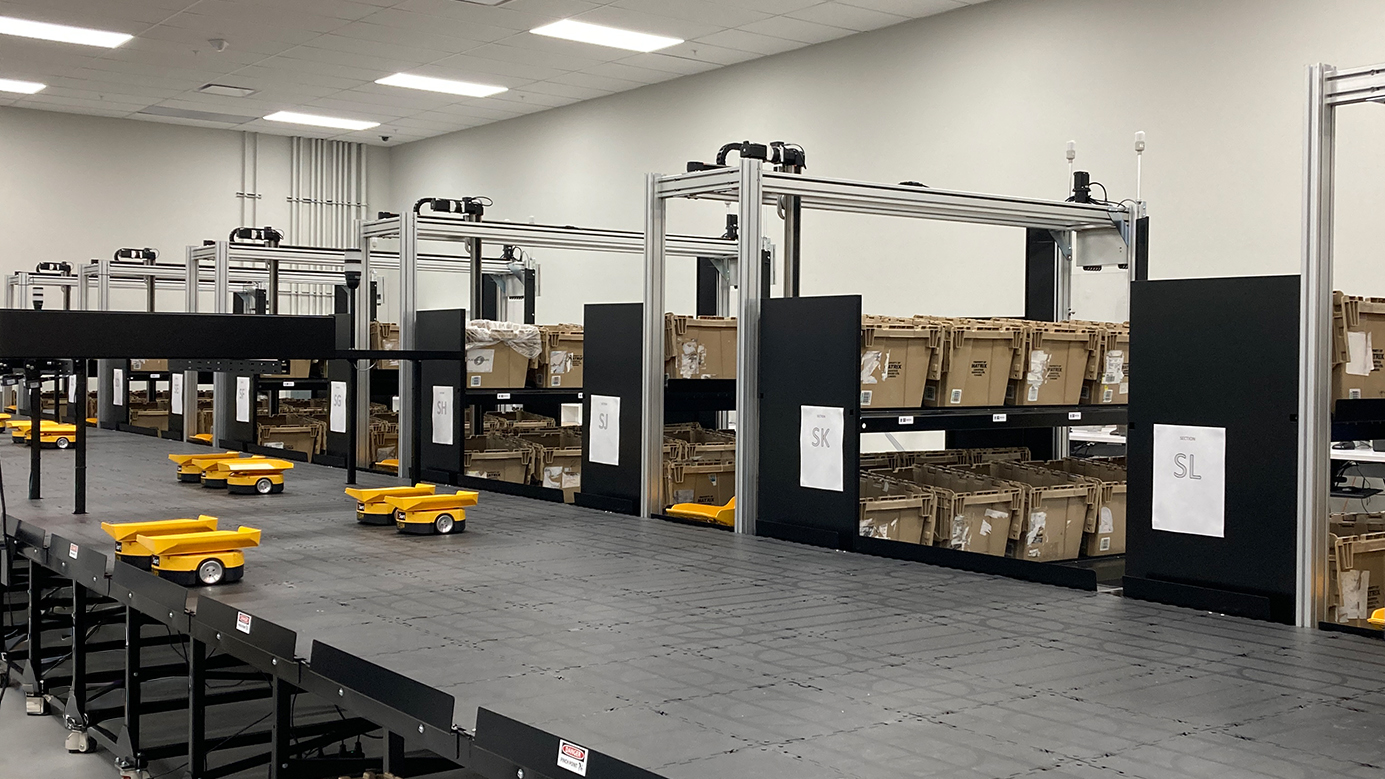
Tompkins Robotics’ tSort uses autonomous mobile robots alongside modular sorting infrastructure. The robots move items through the configured process to the relevant sort destinations, while the scanning stage associates each prescription with its intended facility. Automating the movement and allocation of items can reduce the number of manual handling decisions required at each station. The effectiveness of that arrangement still relies on the accuracy of the upstream prescription data and the destination information associated with each item.
SpecialtyRx says it processes more than 55,000 prescriptions daily across its wider business. It serves more than 1,200 healthcare facilities and supports around 350,000 patients annually through a multi-site pharmacy operation. Those figures describe the scale of the company, not the number of prescriptions passing through the newly installed robot system. No site-by-site deployment count or total tSort capacity has been released.
The former manual station processed approximately 1,000 prescriptions an hour, against a reported maximum of 1,400 in the new automated configuration. That comparison describes peak station capacity under the conditions used to assess the system. Actual output over a working shift also depends on the timing of incoming prescriptions, replenishment and removal of sorted items, exception handling, equipment availability and staffing at the adjoining operations.
Nursing homes generally receive medication orders consolidated to fit facility delivery schedules. Each prepared prescription must therefore be associated with the right customer before packing and transport. Incorrect sortation can trigger further checks, repacking or an intervention in the delivery process even where the prescription itself was authorised correctly. SpecialtyRx has not disclosed before-and-after data on mis-sorts, delivery punctuality or nursing staff time following the installation.
The modular construction is intended to let the operator add robots and sorting destinations without rebuilding its facility. That provides a possible way to respond to changing volumes or a larger number of serviced care homes within the existing space. Actual expansion depends on the number of induction points, floor layout, safe travel paths, software configuration, and how quickly staff can replenish or remove items from the system. Adding robots cannot indefinitely overcome a bottleneck elsewhere in the fulfilment process.
Scan data creates an additional control point between pharmaceutical preparation and dispatch. A system that records the destination associated with an item can support checks when orders are consolidated for a nursing home. It can also create an event trail to help investigate an exception later, provided the records are retained and connected to the surrounding pharmacy systems. The company has described broader investment in digital delivery verification but has not published a full system architecture for the new installation.
SpecialtyRx also uses automated dispensing and packaging equipment elsewhere in its pharmacy operations. Those stages prepare medication for supply, whereas tSort allocates completed items to the intended destination. Faster sorting can reduce work waiting at the final stage, provided the available packing capacity and vehicle departure schedule can absorb the additional volume. The company has not published an end-to-end comparison of fulfilment time for prescriptions using the new system.
Long-term care pharmacy operations retain pharmaceutical controls and delivery documentation requirements regardless of how rapidly completed prescriptions move through the sorter. Robots perform the physical routing after the clinical checks rather than deciding which medicine a patient should receive. Staff must still be able to identify an incorrect destination, trace an affected item and resolve exceptions before dispatch. The published throughput change does not measure medication errors or clinical outcomes.
Shift-level throughput, interventions per thousand sorted prescriptions and missed dispatch cut-offs would show whether the higher station capacity carries through to the rest of fulfilment. Scanning and destination-matching records could also be compared with manual exception logs to assess sorting reliability. SpecialtyRx has supplied the maximum hourly throughput comparison, but no sustained operating dataset for those other measures.
The tSort installation provides a defined increase in reported peak sorting capacity at SpecialtyRx’s affected station. The next operational evidence will be sustained volumes across shifts, the frequency of sorting exceptions and the punctuality of care-home deliveries once the system is running alongside existing dispensing, packing and transport processes.