IN Brief:
- Oak Group has opened an 86,000 sq ft Nuneaton warehouse with capacity for approximately 200,000 tyres.
- The former DB Schenker/DSV facility is fully operational and has become the wholesaler’s tenth warehouse.
- The additional site follows a Newport distribution investment and supports the company’s Midlands and southern England network.
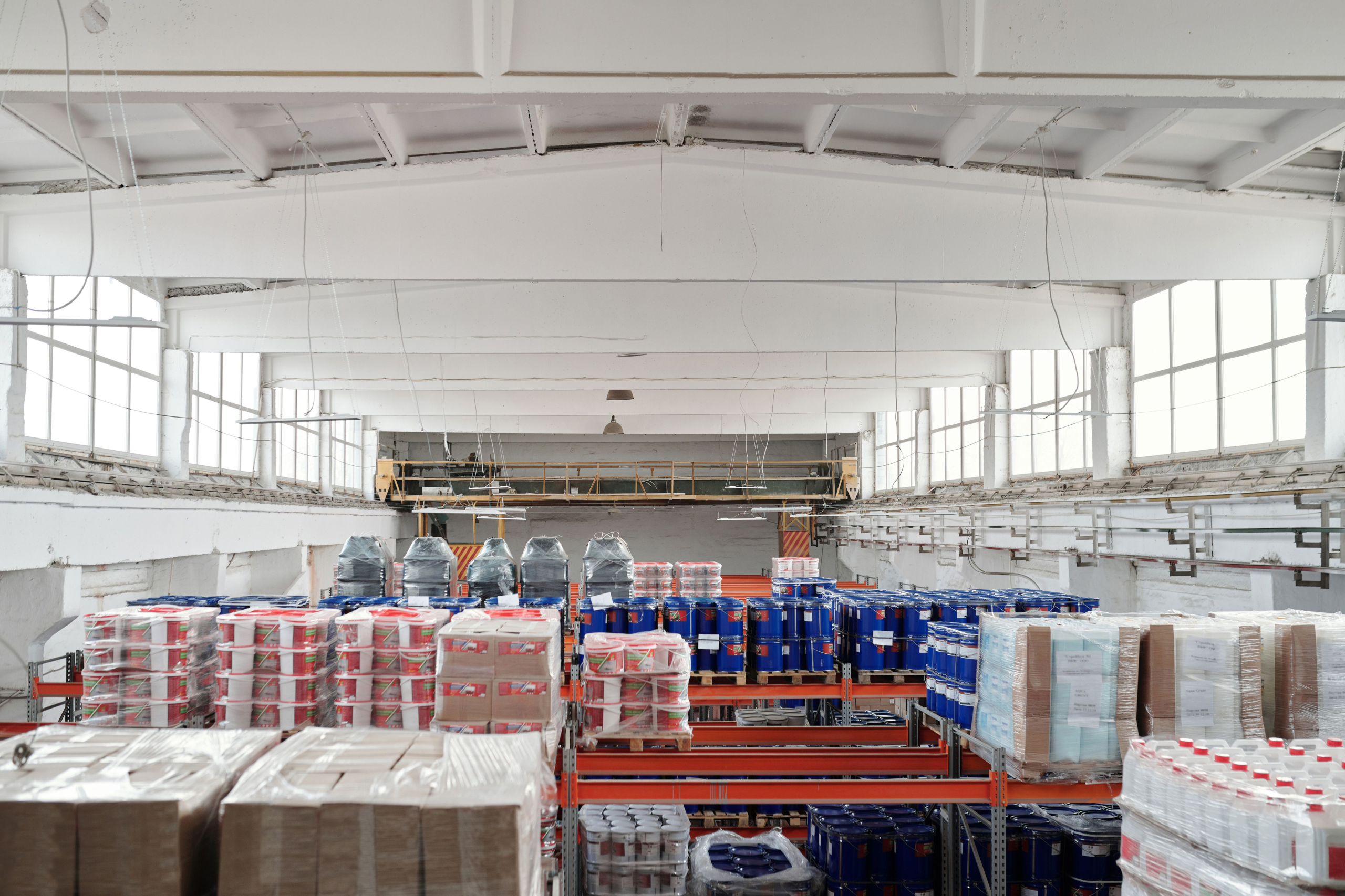
Oak Group Holdings has brought an 86,000 sq ft tyre distribution centre into operation in Nuneaton, Warwickshire, adding regional capacity for customers across the Midlands and southern England. The former DB Schenker, subsequently DSV, warehouse can hold approximately 200,000 tyres and becomes the group’s tenth distribution site. Oak took over the existing logistics facility rather than commissioning a new-build warehouse.
The Nuneaton warehouse began operating at the start of November 2026, following the transfer of staff from the previous logistics operation in August. Those dates distinguish the current opening from a proposal or a future development. Oak has not disclosed the number of transferred employees or the cost of adapting the building for tyre distribution. The operation is already serving the company’s regional network.
Its position near the M6 and M1 corridors gives Oak road links serving central and southern England. Commercial director Peter Cross identified that accessibility as a factor in the site selection. The announced operation concerns warehouse stock and onward road distribution; no rail freight service has been reported for the facility. The distribution pattern will depend on the availability of vehicles, customer delivery windows and the mix of tyres held at Nuneaton.
Tyre distribution requires more than a large storage area because the product range covers substantial differences in dimensions, applications and customer demand. A replacement tyre suitable for one vehicle model may not be a substitute for another, even where sizes appear similar. Wholesale customers need the correct specification, while the warehouse must be able to locate that stock and assemble orders accurately. A regional centre can reduce the distance between stored inventory and customers, provided it carries the specific items being requested.
Capacity for approximately 200,000 tyres provides a measure of the stock the building can accommodate, rather than its daily dispatch volume. Tyre sizes, load ratings and intended uses vary, and a wider assortment can occupy different amounts of space even at similar item counts. Oak has not released the number of product lines in stock or throughput figures for the new warehouse. Those data would show more about the site’s order handling than the reported capacity alone.
Accurate stock rotation and product identification are essential when the warehouse holds tyres with different sizes, load ratings and applications. Order preparation must select the correct specification, while replenishment planning has to balance popular variants against slower-moving lines. Misallocated stock can undermine the advantage of having a regional distribution centre even when the physical capacity is available.
The new warehouse adds a regional stocking point rather than merely increasing the total number of buildings in the portfolio. Placing stock closer to trade customers can support more frequent replenishment and reduce some road transport distances, but that benefit depends on how inventory is allocated between sites. Replenishment from suppliers or other distribution centres introduces incoming freight movements, and the availability of transport capacity remains a practical constraint on meeting customer delivery commitments.
The project follows Oak’s expansion in Newport, South Wales, earlier in 2026. The group acquired a logistics unit of approximately 155,150 sq ft at Queensway Meadows Industrial Estate for £7.75 million, adding capacity serving the south-west. Nuneaton and Newport are distinct investments with different regional catchments. Their combined contribution will depend on the stock mix, demand patterns and customer requirements assigned to each location, rather than the sum of their reported floor areas alone.
The ETB business has also contributed to Oak’s wider commercial network, making stock visibility between sites increasingly important. Orders received by one branch may depend on inventory held elsewhere, so the location of available sizes and transport cut-off times will influence fulfilment decisions. Oak has not described a single warehouse management platform or common stock allocation policy across its ten distribution sites. The new warehouse’s contribution will depend on how reliably it connects with existing order and vehicle schedules.
Regional distribution centres generally depend on both inbound and outbound transport planning. Deliveries from manufacturers or other stockholding locations must be scheduled for unloading and put-away, while customer orders need to be processed against dispatch departures. Where high-volume orders are mixed with smaller trade replenishment consignments, the handling requirement can vary throughout the day. Oak has not published details of its dock arrangements, operating shift pattern or number of vehicle departures from Nuneaton.
By reusing an established warehouse and retaining its operating workforce, Oak has avoided the construction period associated with a new building. The Nuneaton property already served logistics activity, although the company has not identified changes made for tyre storage or reported fit-out costs. Vehicle access, loading areas and the layout for stock picking remain relevant to how rapidly the centre can process inbound deliveries and regional orders.
Oak has not reported before-and-after delivery times or freight emissions for the Nuneaton operation. Its more immediate contribution is a stocked location serving the Midlands and south of England, backed by an established logistics building and workforce. The resulting distribution performance will depend on how products are allocated between Nuneaton and the group’s other sites, and on the frequency and reliability of outward deliveries.
The Nuneaton site is now operating with stated storage capacity of roughly 200,000 tyres. Attention will turn to its share of the group’s replenishment and dispatch activity, particularly alongside the earlier Newport investment. Oak has yet to publish site-specific order volumes, vehicle movements or delivery performance for the new facility.