IN Brief:
- CLIP Intermodal has received 18 third-generation Traxx Universal locomotives under existing supply contracts.
- Thirteen and five locomotives have different six-country operating approval sets; onboard ETCS supports cross-border freight.
- The contracts include two years of preventive maintenance, while actual route utilisation and modal shift remain to be demonstrated.
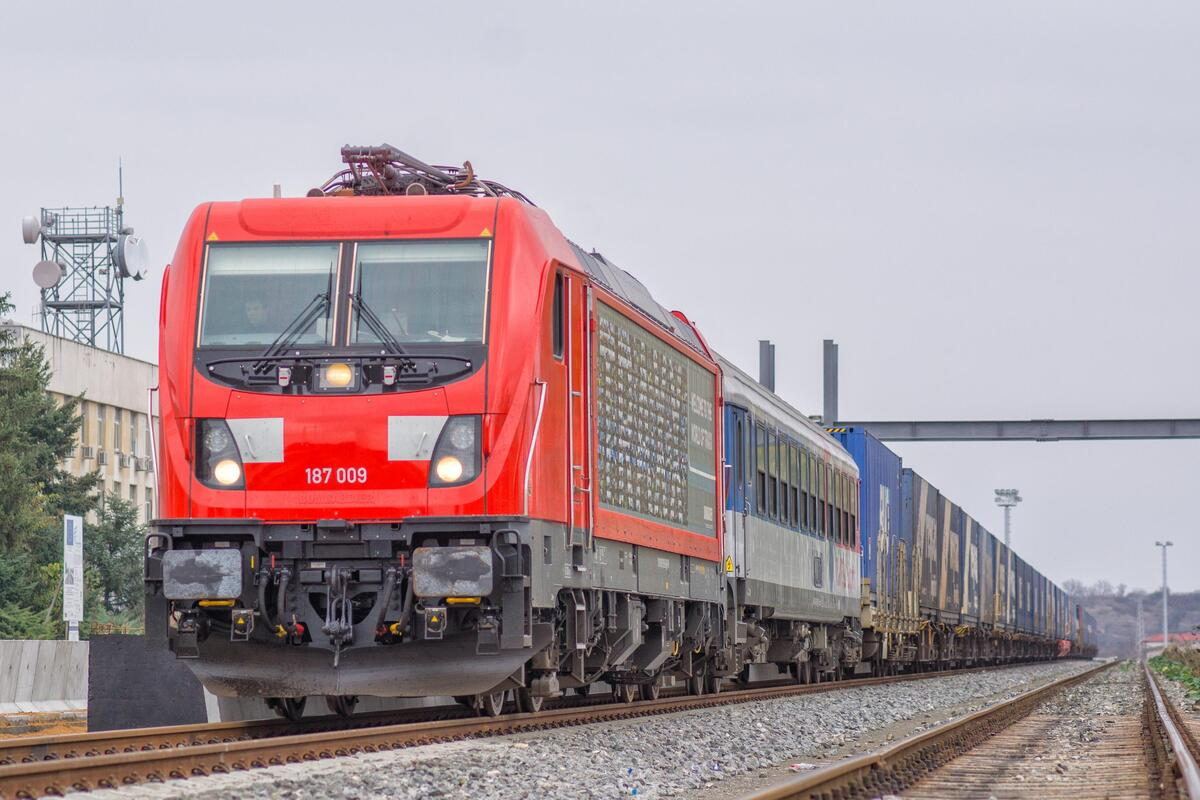
Alstom has completed delivery of 18 third-generation Traxx Universal locomotives to Polish rail freight operator CLIP Intermodal, providing additional traction capacity for intermodal routes linking Poland with markets across Western and Central Europe. Announced on 12 October, the handover completes deliveries under several existing contracts rather than recording a new locomotive order. Alstom has not disclosed a new contract value or operating timetable in connection with the completed handover.
Thirteen of the locomotives are approved for service in Poland, Germany, Belgium, Luxembourg, Austria and France. The other five are intended for operations in Poland, Germany, Austria, the Czech Republic, Slovakia and Hungary. These overlapping but distinct country sets allow CLIP to assign traction to different traffic flows. They should not be combined into a claim that every locomotive can work across all nine listed countries without restriction.
The Traxx Universal platform is designed for both freight and passenger applications and is offered in alternating-current, direct-current and multi-system configurations. Alstom says the delivered generation is capable of speeds up to 160 km/h and of handling heavy freight duties. That maximum design speed should not be confused with normal operating speeds for loaded intermodal trains, which are determined by route, train configuration, network rules and timetabling.
The locomotive bodies were produced at Alstom’s plant in Wrocław, Poland, bringing an element of domestic manufacturing to a fleet destined for international rail movements. The supplier also equipped the units with its Onvia Cab onboard European Train Control System (ETCS), a signalling capability intended to support interoperability on equipped routes. ETCS is one component of cross-border operation: drivers, country-specific approvals, infrastructure access and the availability of compatible trackside systems still matter.
Cross-border freight operations depend on locomotives being authorised for each national network they enter. Freight may pass through several national rail systems on one itinerary, and changing locomotives or arranging separate traction providers can introduce additional operational interfaces. A compatible multi-system fleet can create more options for keeping a train moving across borders, although the number of avoided changes depends on the route and the network’s actual technical requirements.
CLIP Intermodal is part of the wider CLIP Group and has been investing in freight and intermodal infrastructure in Poland. The company is seeking to develop connections with western and central European markets. The delivered locomotives expand the equipment available to support that strategy, but the release does not identify particular new services that have already started, weekly departure frequencies or additional tonnes and TEU expected to be carried. Those figures should be established from future operating announcements.
The contracts include two years of preventive maintenance during the warranty period. Planned maintenance can be as important to a freight operator as the headline fleet addition because the commercial value of a locomotive depends on how consistently it is available for diagrammed services. A locomotive awaiting inspection or repair can force expensive substitutions or leave train capacity unused. The precise service locations, availability commitments and lifetime maintenance costs have not been disclosed in the delivery announcement.
Rail freight investment is also linked to wider efforts to move eligible cargo away from road-only transport on longer routes. Electric locomotives operating on suitable infrastructure can support lower-emission freight services, but an environmental comparison needs the actual electricity mix, load factors, train utilisation and road movements required at each end. Fleet delivery alone does not establish a quantified reduction in emissions or a particular level of modal shift.
Alstom cites a substantial installed base for its equipment, including more than 300 ETCS onboard projects, over 25,000 onboard units on more than 200 vehicle types, and Traxx Universal approvals across 20 countries. Those are supplier-wide reference figures rather than equipment counts attributable to CLIP’s new fleet. They give context to the interoperability technology, but they cannot be used as evidence of the new locomotives’ operating performance.
Poland’s location between major European industrial regions provides a commercial rationale for expanding intermodal connectivity. Containers moving by rail still need coordinated terminal handling, road collection, predictable paths and dependable interchange at destination. CLIP now has 18 additional locomotives with defined cross-border approvals and a contractual maintenance provision; the next measure of their contribution will be how intensively they are deployed and whether they enable more consistent, competitive services on the corridors the company serves.