IN Brief:
- Amazon has started operations at its first Global Warehousing and Distribution facility in Shenzhen.
- The model combines warehousing, customs handling, cross-border transport, and inventory allocation in one service.
- Origin-based inventory pooling is moving further up the agenda for exporters chasing speed and lower fulfilment cost.
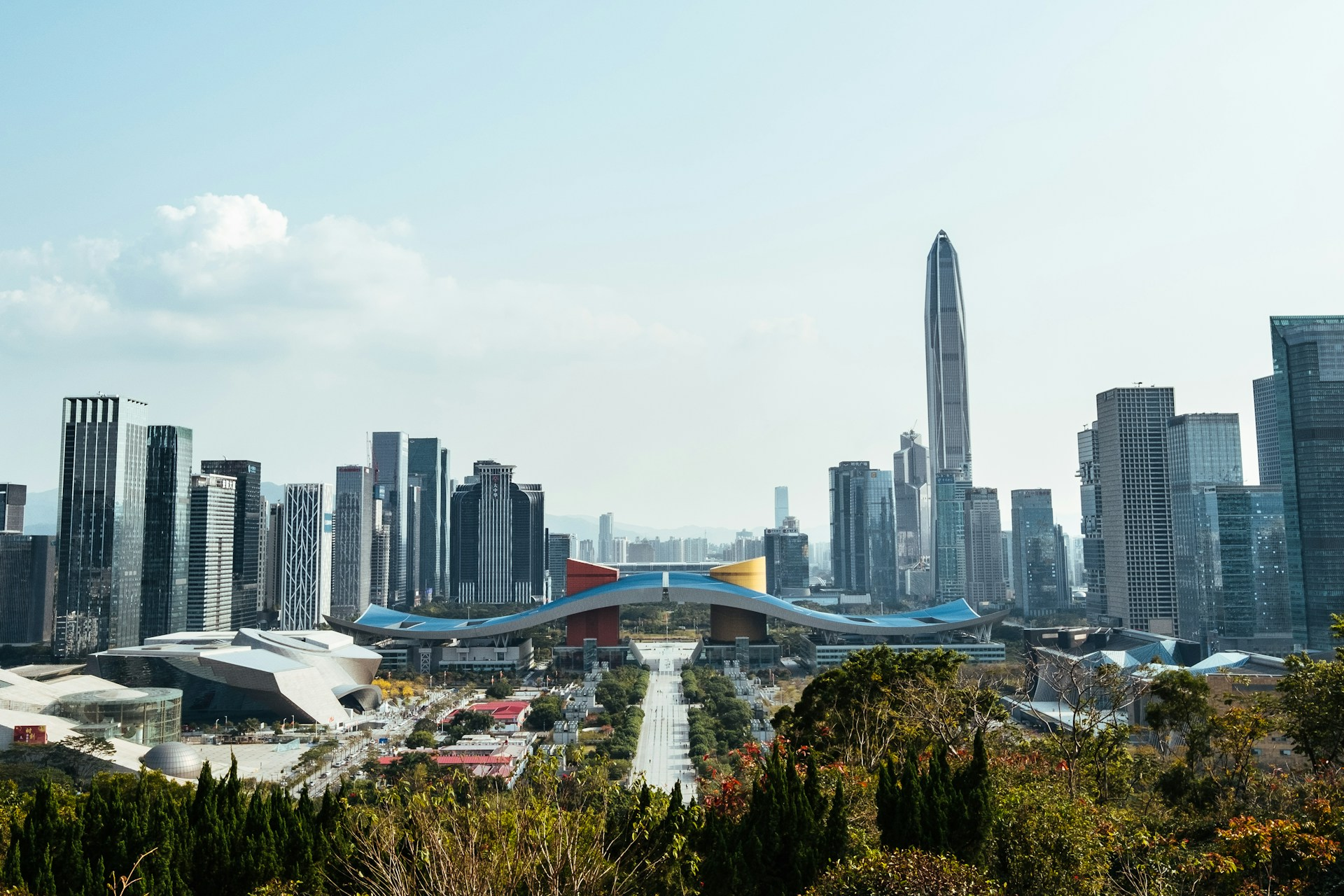
Amazon has opened its first Global Warehousing and Distribution facility in Shenzhen, extending its cross-border fulfilment model deeper into origin-side logistics and giving exporters a new option for managing inventory before products leave China.
The Shenzhen site is built around Amazon’s Global Warehousing and Distribution, or GWD, service. The offer combines warehousing, customs clearance, cross-border transportation, and inventory allocation, allowing sellers to place stock into one upstream pool and then feed multiple end markets from that base. Amazon has presented the model as a way to simplify export operations by reducing the need to split inventory too early across several destination-country networks.
That is a notable shift in emphasis. Traditional cross-border ecommerce logistics have often forced sellers into a blunt choice between speed and flexibility: hold more stock in destination markets and accept higher working-capital exposure, or keep stock closer to origin and accept longer fulfilment lead times. Shenzhen’s GWD model is designed to soften that trade-off by positioning inventory earlier in the network while preserving options on where it is ultimately deployed.
Amazon said the service can cut storage costs by up to 45% for eligible sellers. The company has also highlighted the operational simplicity of a one-time listing and origin-side warehousing model, with stock allocated out to overseas channels as demand forms. For exporters in southern China, that aligns neatly with the long-standing strengths of the Pearl River Delta: dense supplier networks, fast factory response, and established cross-border transport links.
The timing also fits a broader change in cross-border supply chains. More sellers are trying to reduce the number of inventory touches between factory gate and end customer, while also looking for better protection against demand swings, tariff uncertainty, and sudden freight-rate shifts. A single origin inventory pool will not solve those problems on its own, but it does offer tighter control over stock deployment and a cleaner way to balance risk across markets.
For warehousing operators, the launch is another sign that fulfilment strategy is becoming more layered. The network is no longer just domestic warehouse, export forwarder, and last-mile carrier. Increasingly it includes origin hubs that perform customs, stock allocation, and channel coordination before inventory is committed to a specific national market. That creates a more strategic role for upstream warehousing, especially in export-heavy manufacturing zones where speed, compliance, and inventory visibility increasingly sit in the same operational conversation.