IN Brief:
- Amazon plans to build a 248,687ft² sorting and fulfilment facility in Georgetown.
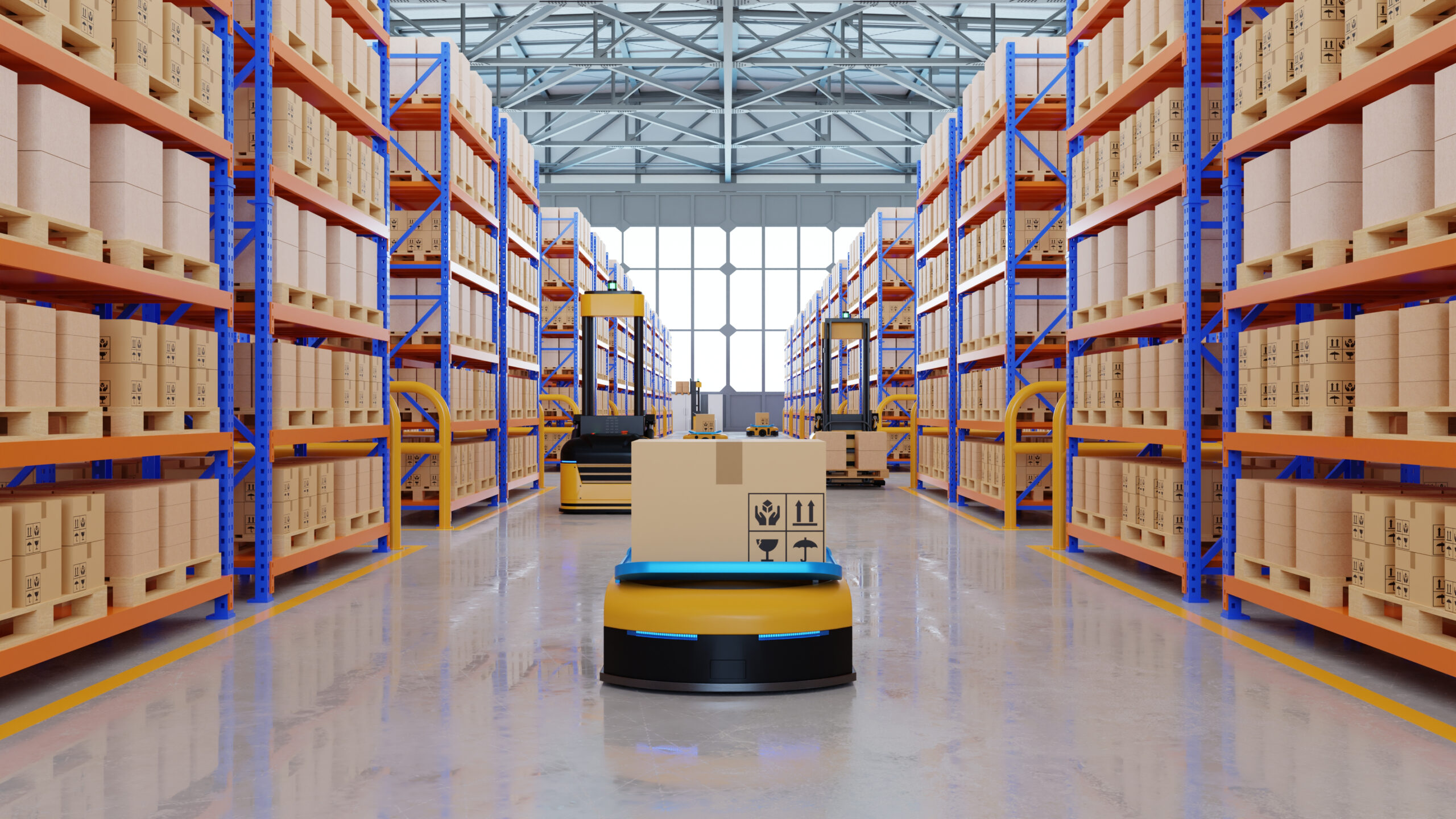
- Robotic systems will bring stored products to employees for order processing.
- Construction is scheduled to begin in August 2026 and finish during July 2027.
Amazon is preparing a US$48m robotic sorting and fulfilment facility in Georgetown, Texas, adding automated storage, specialist product areas, and cold-goods capacity to its Central Texas network.
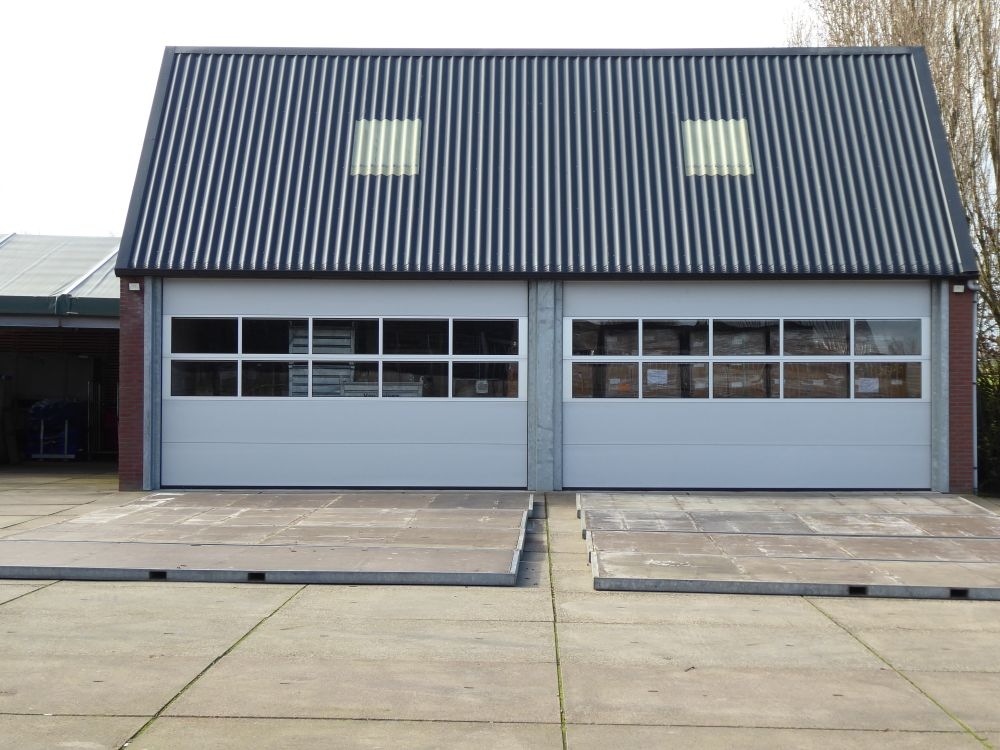
The 248,687ft² development, registered as the SUS3 SSD Facility, is planned for 104 Wittera Way in Williamson County. Construction is scheduled to begin in August 2026 and conclude during July 2027.
AECOM is listed as the design company, with Amazon.com Services identified as the project owner. The building will include robotic sorting and storage areas, specialist and temperature-controlled space, offices, and supporting operational infrastructure.
Robotic systems will bring products to employees for order processing before consignments are packed and dispatched. By reducing walking and organising inventory within a denser footprint, the design can shorten the interval between order receipt and release into the delivery network.
Sub-same-day and rapid-delivery facilities operate differently from large national fulfilment centres holding a very broad assortment. They position a selected range of faster-moving goods close to concentrated demand, trading complete product breadth for shorter delivery distances and later order cut-offs.
Forecasting consequently becomes one of the building’s principal capacity controls. A compact site cannot hold every product, so the network must identify which items justify local storage and which can remain in larger upstream facilities without compromising the promised delivery time.
Poor selection produces cost in either direction. Missing fast-moving items creates split shipments and longer routes, while excess slow-moving stock consumes automated locations that could otherwise support products with a higher order frequency.
The cold-goods areas add another operational layer. Temperature-controlled storage requires zoning, insulated construction, monitoring, refrigeration, dedicated handling practices, and careful movement between chilled and ambient areas, while its electrical demand must be planned alongside robotics, conveyors, HVAC, and IT systems.
Georgetown sits within a fast-growing corridor north of Austin, where population, housing, technology, and industrial development are expanding parcel and grocery demand. Locating inventory closer to that growth can reduce final-mile distance, but it also commits Amazon to forecasting local consumption several years before the building enters service.
The project reflects a broader move towards a more distributed fulfilment model. Large regional buildings remain essential for product range and inventory scale, while smaller automated sites bring selected items closer to customers and reduce the number of handovers before dispatch.
Amazon’s network is also carrying more volume for businesses outside its own retail marketplace. Amazon Shipping is competing for external consignments through its parcel infrastructure, adding another source of throughput across sorting and delivery assets originally developed around internal demand.
At the final mile, shared locker integrations are extending the range of consolidated delivery points. A network serving homes, lockers, collection sites, third-party shippers, and time-specific services depends on accurate sortation early enough to protect each route and promise.
Automation increases speed and repeatability, but it also concentrates operational dependency. Control-system failures, sensor faults, blocked conveyors, software errors, or a shortage of replacement parts can affect a large proportion of site throughput within minutes.
Maintenance access, redundancy, diagnostic data, and recovery procedures must therefore be designed into the building before launch. A highly automated operation with inadequate engineering support can lose more capacity during a fault than a slower manual site whose processes are easier to reroute.
Labour requirements will change rather than disappear. Receiving, exception handling, maintenance, safety, inventory control, quality assurance, cleaning, and dispatch remain human-led activities, while greater automation increases demand for technicians and systems-capable supervisors.
Electrical infrastructure will exert equal influence over the completed site. Robotics, refrigeration, charging equipment, building services, and computing create a substantial and continuous load, and industrial resilience increasingly depends on power, data, labour, and automation capacity developing together.
The US$48m figure covers the declared construction project rather than the complete operating investment. Robotics, software, inventory, fleet capacity, maintenance, and staffing will continue to determine the cost and performance of the facility after the building is handed over.
Amazon’s Georgetown plan places automated capacity closer to a growing market while widening the range of products held locally. Its eventual productivity will depend on whether forecasting, power, engineering, and last-mile capacity develop at the same pace as the machinery inside the warehouse.