IN Brief:
- The 27-hectare site sits beside Baltic Hub’s existing T2 deepwater terminal.
- A planned siding will accommodate trains up to 750 metres long.
- Development will proceed in phases, although no investment value or completion date has been disclosed.
Baltic Hub has secured a 30-year lease on 27 hectares beside its T2 deepwater terminal at the Port of Gdańsk, enabling development of a second rail facility, additional container storage, and new handling equipment.
The Port of Gdańsk Authority signed the agreement on 4 August after a competitive tender. Baltic Hub will develop the land in phases as an intermodal rail and container-handling area, extending both landside capacity and the terminal’s connection with markets across Central and Eastern Europe.
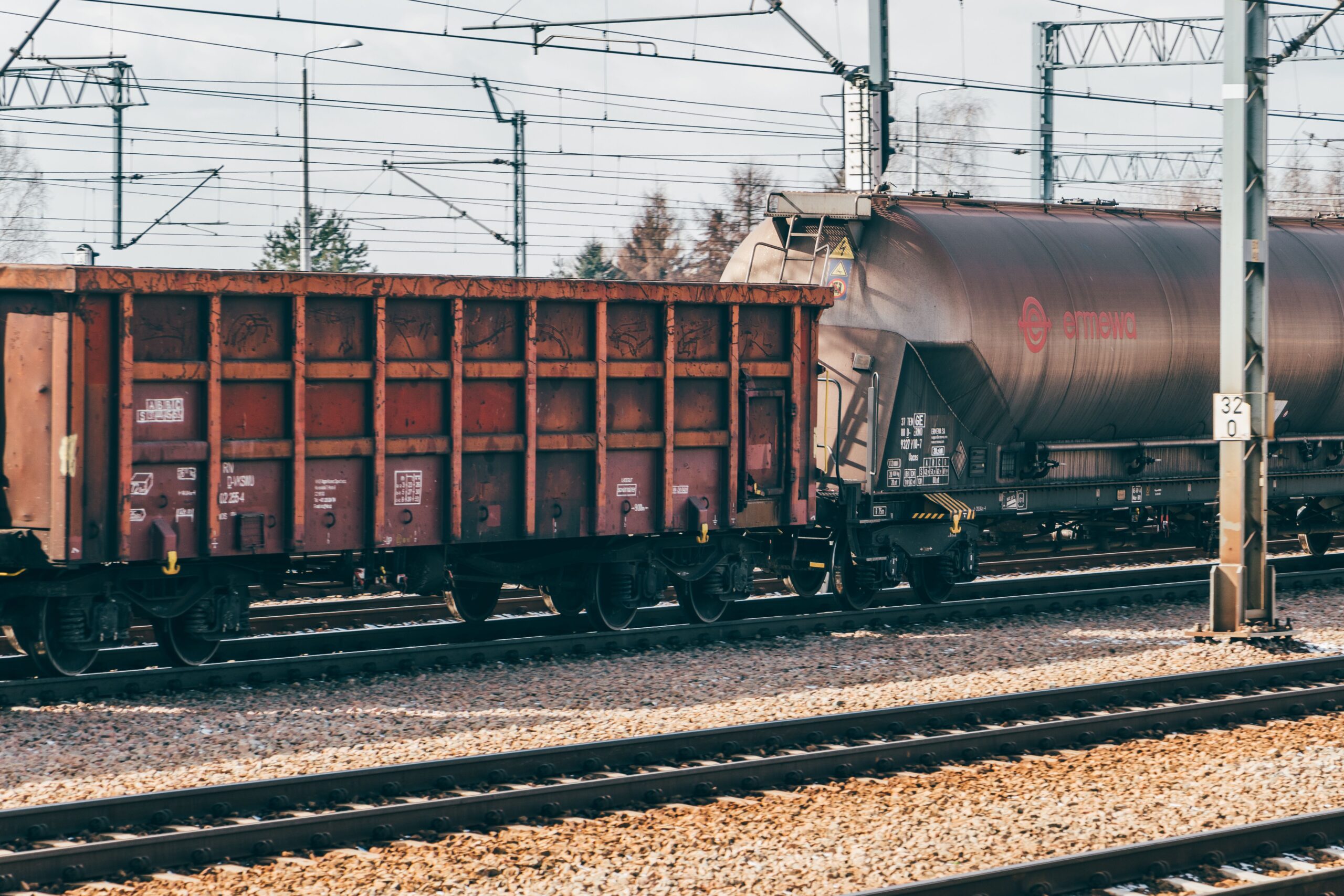
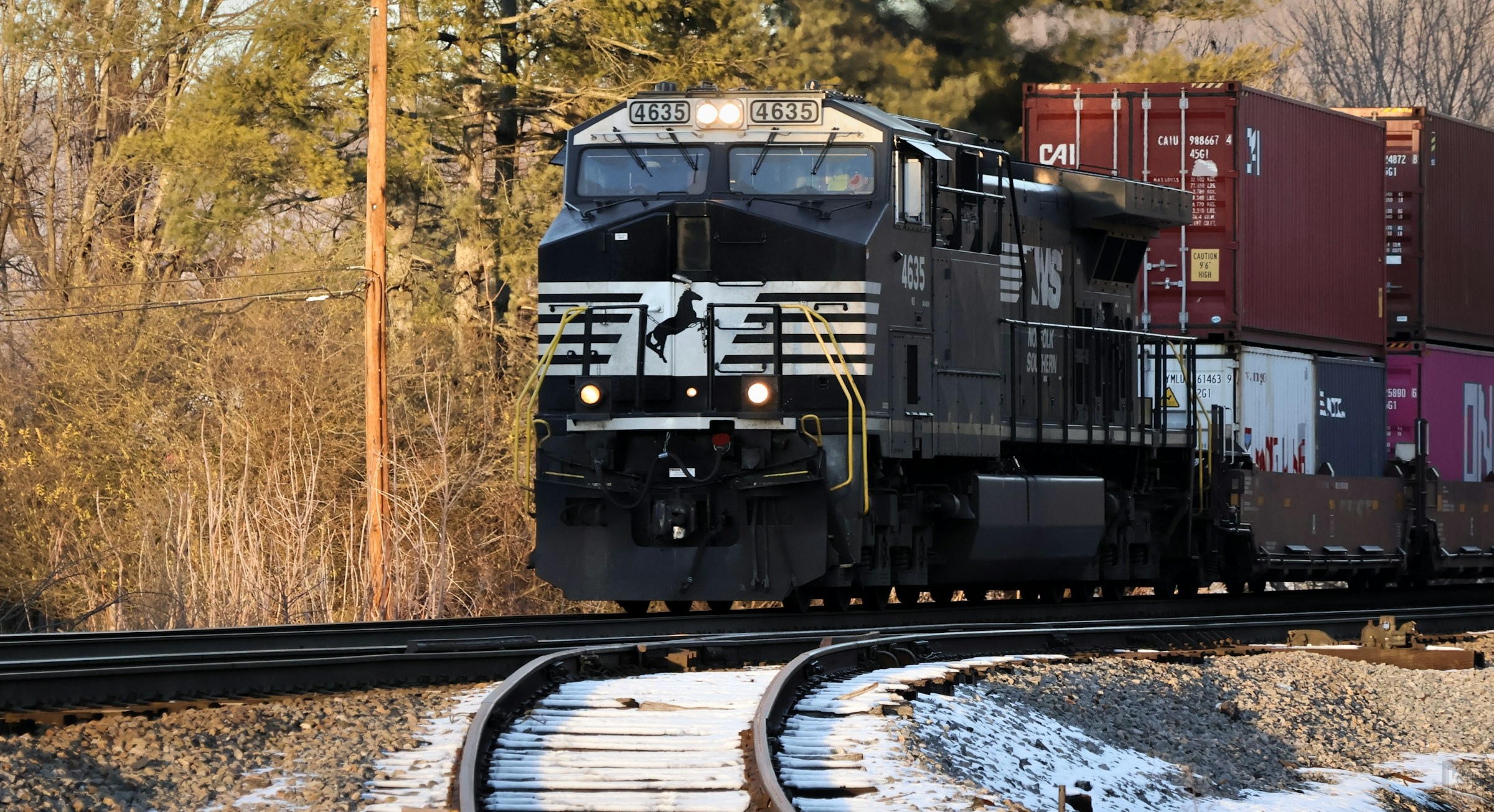
A new siding will be designed for trains up to 750 metres long. The project will also include container yards and equipment for transferring boxes between rail, storage areas, and the existing terminal operation. No capital value or completion date has been disclosed.
The site is already designated as port land and has existing rail access. Its position beside T2 gives Baltic Hub a practical route to expand without creating a detached inland operation and another transfer between quay, yard, and rail terminal.
Dorota Pyć, president of the Port of Gdańsk Authority, said the investment would allow a greater proportion of cargo to move from road to rail. She also linked the project with more resilient cargo flows and the port’s efforts to compete for traffic serving the Czech Republic, Slovakia, and Ukraine.
The lease converts a preliminary agreement signed at the end of 2025 into a long-term development framework. The earlier arrangement identified the site and proposed term, while the latest step confirms Baltic Hub as tenant and defines the main infrastructure expected on the land.
Rail capacity becomes more important as container terminals handle larger vessels and more concentrated exchanges. A ship can discharge and load thousands of containers during a short call, but high quay productivity solves only the first part of the movement. Boxes still have to leave the terminal without overwhelming gates, nearby roads, or limited inland connections.
Longer trains can improve intermodal economics by carrying more containers within each path, although a 750-metre siding does not guarantee 750-metre services. Network capacity, locomotive availability, destination terminals, border procedures, loading plans, and timetable reliability will determine whether the infrastructure is used fully.
Jan Van Mossevelde, chief executive of Baltic Hub, said the expansion would “strengthen hinterland connectivity by enabling a greater share of containers to be transported by rail”. He also linked the programme with lower road dependence and supply-chain emissions.
The second rail facility should improve resilience inside the terminal as well as add nominal capacity. Rail operations need working tracks, cranes or reach stackers, storage space, and room to marshal containers in the correct sequence. When one element reaches capacity, trains can be delayed even while the maritime terminal continues to operate normally.
Additional sidings and yard space can separate some of those processes and give planners more options during peaks. The benefit will depend on how closely train schedules, vessel exchanges, storage plans, and equipment allocation are coordinated.
Gdańsk’s role has expanded as shipping lines have added direct deep-sea links, including an Ocean Alliance connection with the Far East, and reorganised European networks. Baltic Hub completed its T3 terminal in 2025, adding 1.5 million TEU of annual capacity and taking the site’s stated total to 4.5 million TEU.
That maritime expansion increases the need to match berth and yard capacity with dependable inland movement. Container terminals can invest heavily in quay cranes and storage blocks, but congestion shifts rather than disappears when rail and road interfaces remain constrained.
The lease also reflects a broader change in port competition. Gateways are no longer judged solely by water depth, crane outreach, and vessel turnaround. Cargo owners and shipping lines increasingly assess the complete route to inland markets, including rail frequency, customs processes, terminal dwell, road congestion, and the availability of alternative modes during disruption.
For Poland, the development supports an established effort to position Gdańsk as a gateway beyond its domestic market. Traffic serving the Czech Republic, Slovakia, and Ukraine is contested by North Sea, Adriatic, and other Baltic ports, so infrastructure alone will not decide which route cargo owners choose.
Service reliability, commercial agreements, equipment availability, and coordination across national rail networks will determine how much cargo changes direction. A technically capable terminal can still lose traffic when trains are irregular, connections are missed, or customers cannot secure space consistently.
The emissions case will also depend on utilisation. Rail can reduce road mileage, but lightly loaded trains, inefficient terminal moves, and empty repositioning weaken the advantage. The strongest outcome would combine regular services with balanced import and export flows and enough demand to keep train capacity productively occupied.
Phased delivery allows Baltic Hub to align investment with traffic growth, but it leaves the final timetable and scale open. The next useful disclosures will be the construction sequence, equipment specification, capital programme, and expected rail throughput.
The 30-year term gives the operator time to justify substantial civil and handling investment. It also places a clear obligation on Baltic Hub to convert strategically located port land into working capacity rather than retain it as a reserve for future expansion. The lease is signed; the commercial test is whether enough reliable rail services follow.