IN Brief:
- Trade reporting identifies Spearpoint Logistics as a new strategic partner at BNSF's Barstow International Gateway.
- Spearpoint specialises in heavyweight intermodal, transloading, warehousing, and port-to-rail logistics.
- The company lists its Barstow facility for a 2028 opening alongside the developing gateway.
Spearpoint Logistics is preparing heavyweight intermodal, transloading, and warehousing capacity alongside BNSF Railway’s future Barstow International Gateway in California, following a strategic partnership reported on 15 September.
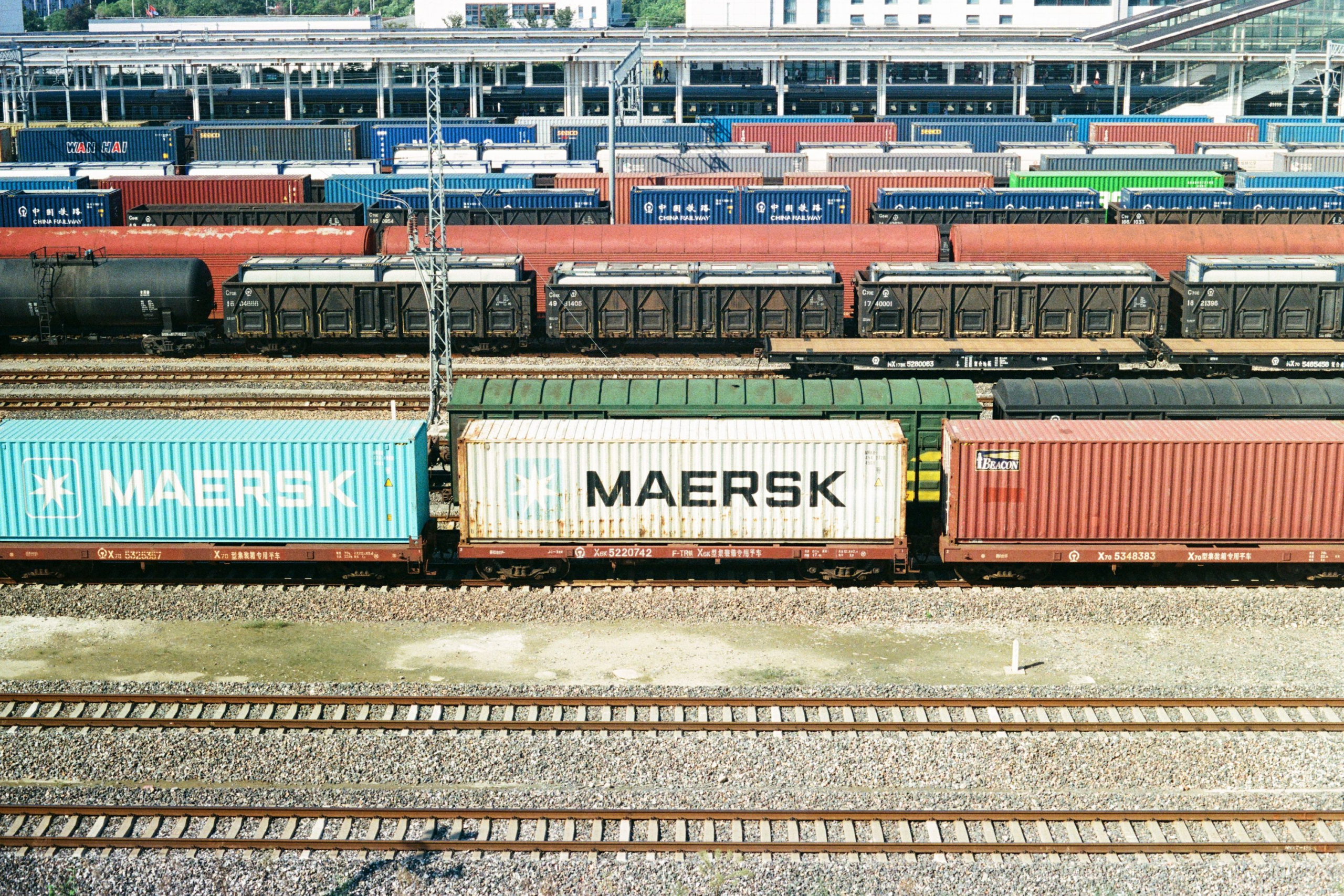
The arrangement adds a specialist logistics operator to the commercial network forming around BIG, a planned integrated rail complex intended to move international containers inland from the Ports of Los Angeles and Long Beach before freight is transferred into domestic equipment.
Spearpoint’s own current material lists a Barstow facility scheduled to open in 2028 and describes its business around heavyweight intermodal, transloading, cross-docking, inventory management, port drayage, and nationwide transportation.
Its operating model is built around locating warehouses beside BNSF intermodal infrastructure. At Alliance in Texas, Spearpoint uses private access between the BNSF terminal and its warehouse to move heavyweight containers without taking the international box onto normal public roads before the load is redistributed.
The company says that arrangement allows dense cargo to remain in heavier international loading configurations for longer, with goods transferred into street-legal domestic equipment at the warehouse or held in inventory before onward movement.
That model aligns closely with the purpose of Barstow International Gateway. BNSF describes BIG as an approximately 4,500-acre integrated facility west of Barstow combining a rail yard, intermodal operation, and transload warehouses.
International containers arriving through Los Angeles and Long Beach are planned to move by rail through the Alameda Corridor and along BNSF’s mainline before reaching Barstow. Cargo can then be transferred into domestic containers for the next stage of its journey through the US network.
Moving the transload stage inland can reduce the need for every international container to travel by truck to a warehouse in the immediate port region. Instead, suitable freight remains on rail for a longer trunk movement before the contents are consolidated or redistributed.
Heavyweight cargo is a particularly relevant use case. International containers can legally arrive with weights that make ordinary highway movement difficult without specialist equipment, permits, or reduced payloads, depending on the configuration and jurisdiction.
A warehouse connected closely enough to the rail terminal can move the box from rail to transload without exposing the overweight container to a conventional public-road journey. The contents can then be transferred into domestic equipment at legal road weights.
Spearpoint’s existing Alliance model provides an operating reference for that approach. Its current material describes private terminal access, overweight-container transloading, and the ability either to redistribute freight immediately or place it into warehouse inventory.
Barstow will apply those logistics principles around a substantially larger infrastructure project. BNSF’s approved BIG development includes integrated rail and warehouse capacity designed specifically around international-to-domestic freight transfer rather than adding warehousing as an unrelated nearby property use.
BNSF has already begun assembling logistics partners around the development. In August it announced a strategic partnership with NFI covering transportation, warehousing, distribution, and transloading, bringing another established logistics provider into the planned site.
Spearpoint adds a more specialised heavyweight emphasis to that developing ecosystem. The value of the gateway will depend on the businesses operating beside the railway being able to handle the containers after the train arrives, not merely on BNSF constructing additional track and intermodal capacity.
Every extra handling stage still requires careful coordination. Ship-to-rail transfer, train departure, yard processing, transload appointments, warehouse labour, and outbound domestic equipment all have to remain aligned if moving the transload inland is to reduce rather than relocate congestion.
The same applies to inventory. Freight that arrives faster than the warehouse or domestic network can absorb it still consumes terminal and storage capacity, meaning BIG’s design has to balance rail throughput with the operating capacity of logistics partners around the site.
The 2028 timetable leaves substantial engineering and commercial work ahead. BNSF’s gateway remains under development, while Spearpoint’s Barstow facility is listed as a future location rather than an operation handling freight today.
The partnership should therefore be treated as part of the operating network being assembled around BIG rather than immediate new capacity. The physical benefit will appear only after the rail facility, warehouses, equipment, labour, and customer flows enter service together.
If the model performs as intended, heavyweight imports could remain on rail farther inland before being redistributed into domestic equipment, reducing some of the drayage and permitting complexity around Southern California ports.
Barstow will ultimately be judged on whether those connected logistics operations turn a large infrastructure investment into smoother freight movement. Spearpoint’s role adds another piece to that structure, with heavyweight transloading and warehouse capability planned alongside BNSF’s intermodal gateway from 2028.