IN Brief:
- The first scheduled Kanpur–Mundra export container train was reported to have operated on 18 November.
- CONCOR plans Wednesday departures from its Juhi inland depot, providing a fixed rail handover point.
- Bookings still depend on published cut-offs, rail journey times and onward vessel connections, which have not been detailed.
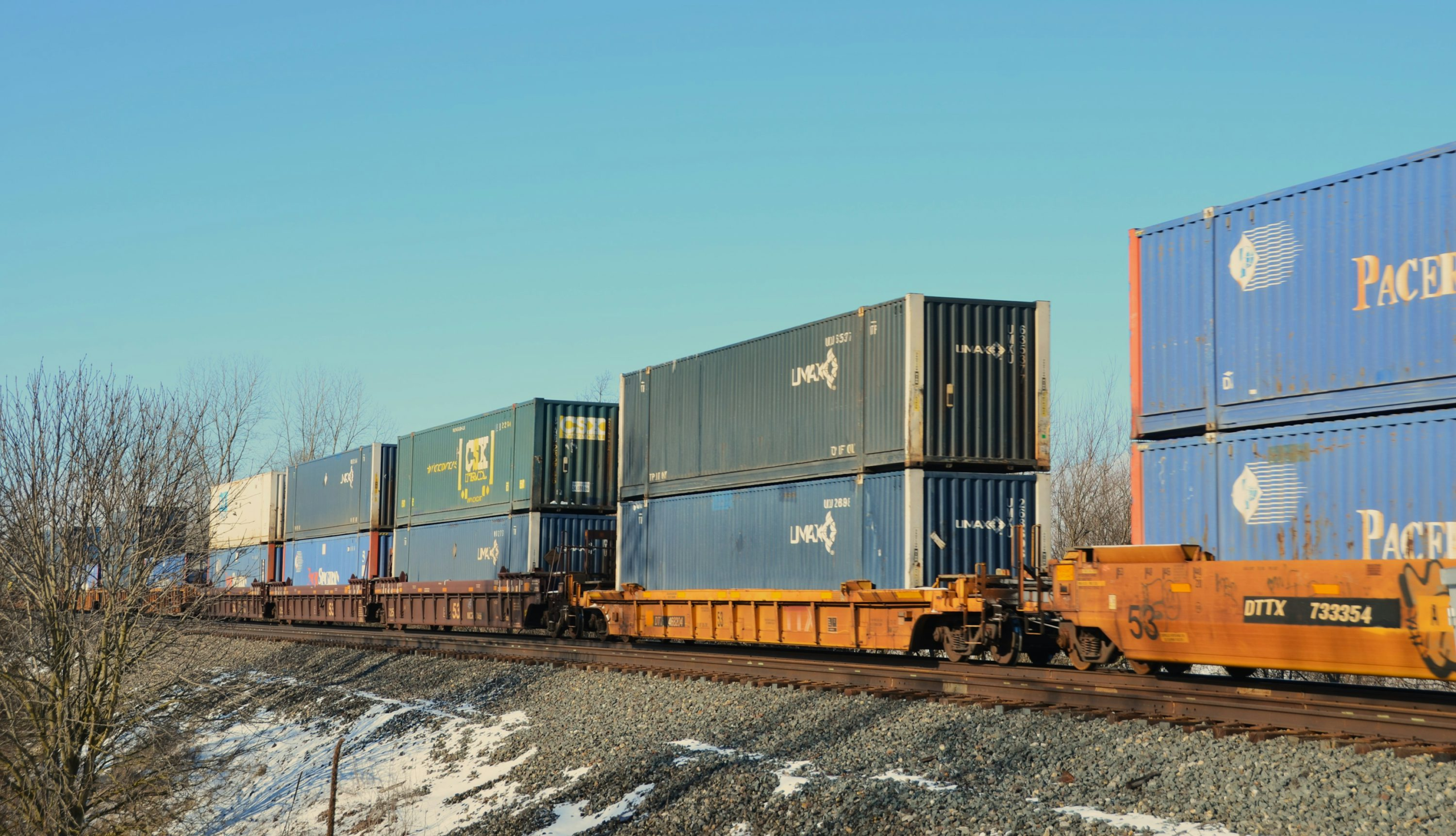
Container Corporation of India (CONCOR) has introduced a weekly export container train linking its inland depot in Kanpur, Uttar Pradesh, with Mundra Port in Gujarat. The inaugural movement was reported on 18 November, following an earlier timetable notice that set Wednesdays as the regular departure day. The service adds a scheduled rail option for exporters sending containerised goods from the Kanpur region towards overseas shipping connections at India’s western coast.
The service originates at CONCOR’s Juhi inland container depot, where exporters can assemble loaded boxes and complete the relevant handling and documentation steps before rail dispatch. Consolidating cargo at an inland facility allows shipments from different customers to move towards Mundra on a common departure. The announcement specifies an export service from Kanpur; it does not establish a matching weekly import service in the opposite direction.
A factory delivering goods by road from the surrounding industrial area must meet the depot’s container receiving cut-off. A container that misses the weekly train may need another transport arrangement or the next scheduled departure, depending on the shipment booking. A fixed Wednesday movement allows exporters to plan production completion, packaging and road collection against a known point in the logistics timetable. It does not, by itself, guarantee when a particular container will be available at Mundra.
CONCOR publicised the Wednesday timetable before the first departure, which trade reporting subsequently recorded as having taken place on 18 November. The launch establishes that the proposed weekly connection has made an inaugural movement. The available reporting does not provide a verified train manifest, carried TEU total or load factor, so the initial demand for the service cannot yet be quantified.
Mundra provides extensive container handling and inland transport infrastructure. Port operator Adani Ports and Special Economic Zone has reported 8.5 million TEU handled there in the financial year ending March 2026. Its 64-kilometre electrified rail connection to Adipur links the port with the national railway network, and its infrastructure supports double-stack container operations. Those capabilities describe Mundra as a whole; CONCOR has not stated whether the new Kanpur train uses double-stack wagons or a specific rail terminal within the port complex.
Onward export movements still need to be synchronised with ships. A container arriving at Mundra must reach the appropriate terminal, satisfy the relevant documentation and customs requirements and meet the shipping line’s loading cut-off. The train’s scheduled departure day is only one part of that chain. Transit time, port dwell and vessel frequency determine how useful the new option will be for consignments with narrow delivery windows.
A Wednesday departure gives shippers a fixed collection and rail dispatch point, but CONCOR has not specified the departure hour, rail journey time, maximum container count or published freight tariff in the source material checked. The commercial comparison with road haulage and alternative rail services therefore depends on quotations and actual transit schedules. A regular train can simplify planning even where the overall delivery time varies with port handling and the onward vessel connection.
Container rail transport also creates different operating requirements from road-only deliveries. A shipper needs access to suitable empty equipment, haulage to the inland depot, accurate container identification and handling arrangements for the train. Heavy or specialised cargo can require further checks concerning loading limits and equipment suitability. These steps already exist in established container logistics, but their exact allocation between the customer, forwarder and rail operator affects whether a weekly service is practical for a particular consignment.
CONCOR’s launch comes shortly after DP World introduced twice-weekly dedicated export trains for Ocean Network Express from inland depots serving the National Capital Region to Mundra. The two developments involve different origin points and operating arrangements. The DP World service is attached to a named shipping line’s export flows, whereas the Kanpur announcement describes a scheduled CONCOR departure for exporters using its inland depot. The existence of one service should not be taken as evidence of shared capacity or interchangeable bookings on the other.
Kanpur’s industrial exporters must move goods across a considerable inland distance before they reach international shipping services. The new timetable makes one part of that journey predictable: the planned day on which a container train leaves the local depot. Exporters still need to coordinate factory dispatch, pre-carriage to Juhi, arrival at Mundra and the final vessel loading window. Differences in destination port and shipping line may produce different end-to-end schedules for cargo travelling on the same train.
Weekly frequency also puts a clear limit on flexibility. Goods ready immediately after Wednesday’s departure may wait for the following scheduled train unless another transport option is available. Exporters whose production and shipping cycles do not match that interval may continue to use road transport or other rail services. No additional Kanpur–Mundra departures have been announced alongside the inaugural weekly schedule.
The first Kanpur–Mundra movement was reported on 18 November, and the next Wednesday departure is scheduled for 25 November. Consistent operation will depend on the availability of wagons, terminal capacity and bookings that connect with the receiving vessels. CONCOR has yet to publish carried container totals or a service-specific transit time.