IN Brief:
- DP World says UK supply chain initiatives have saved more than 160,000 tonnes of CO2e in under three years.
- The Modal Shift Programme has lifted rail’s share at Southampton from 21% to more than 30%.
- Low-carbon trucking, electric HGV trials, and carbon inset certificates are being added to the decarbonisation mix.
DP World has reported more than 160,000 tonnes of CO2e savings from its UK supply chain initiatives in less than three years, supported by rail freight growth, lower-carbon trucking, electric HGV trials, and carbon inset programmes.
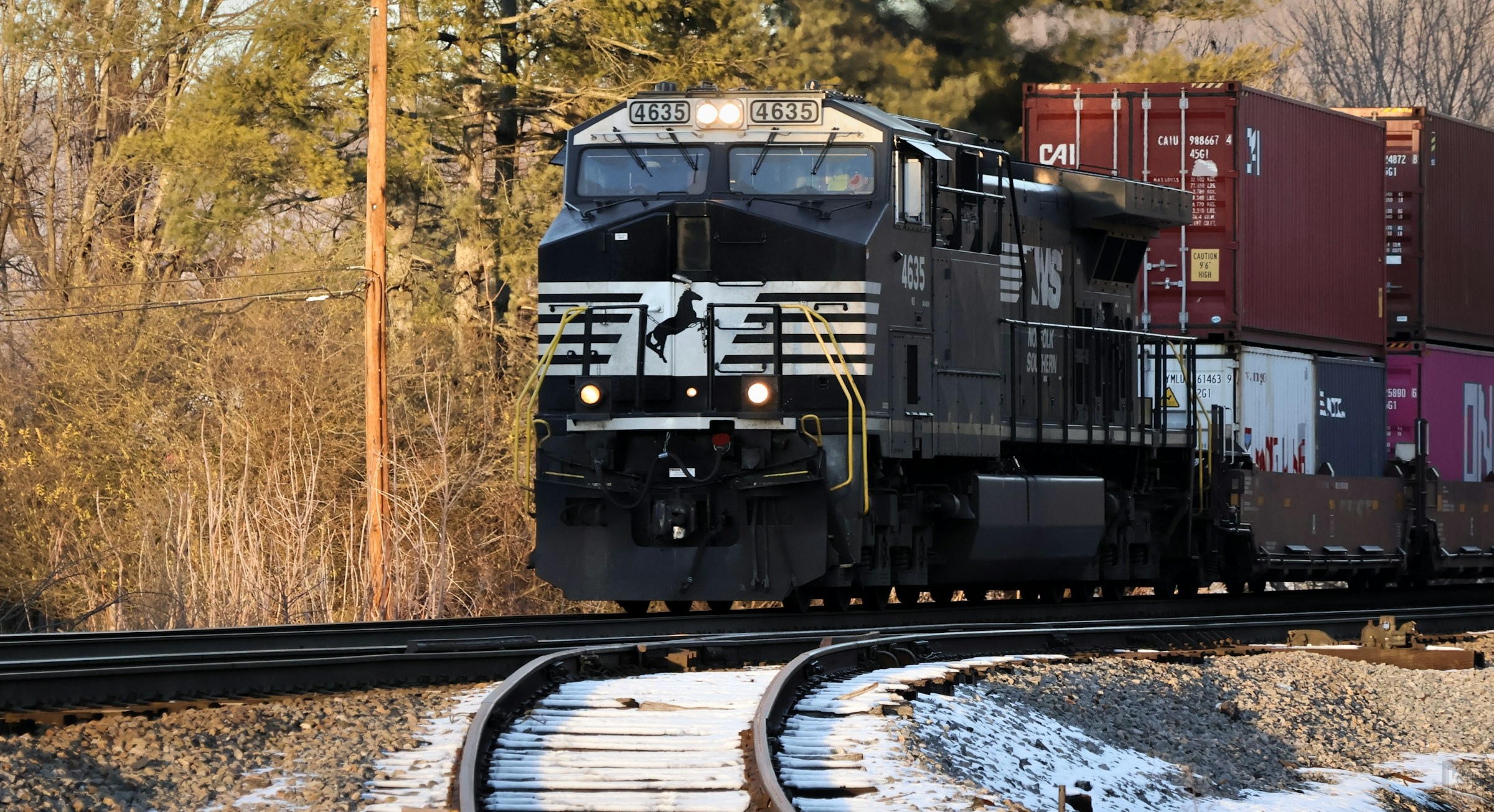
The company’s Modal Shift Programme, launched in September 2023, has increased the share of rail freight at DP World’s Southampton terminal from 21% to more than 30%. More than 200,000 truck trips have moved from road to rail through the programme, reducing emissions across inland container movements.
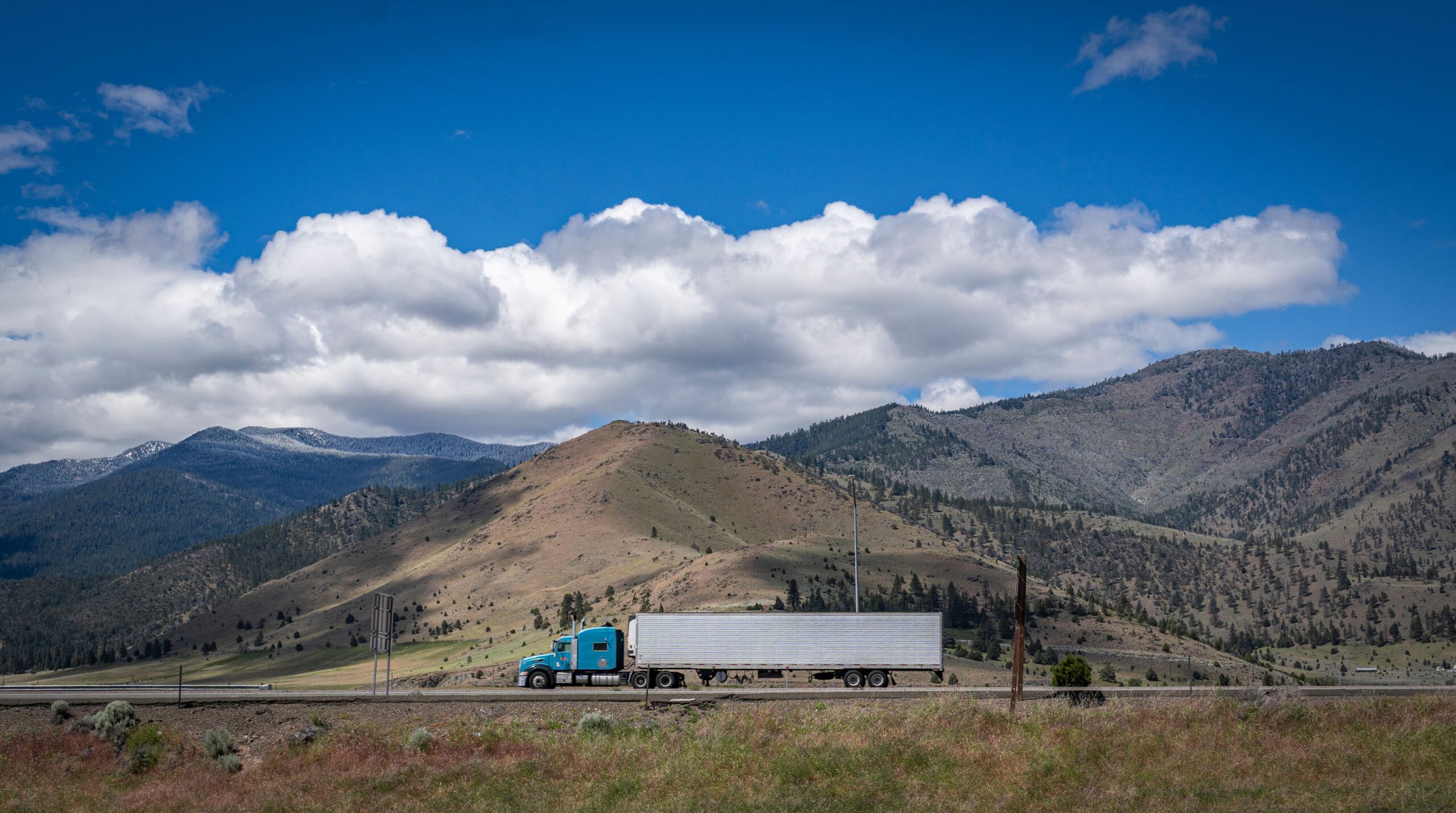
The Low Carbon Truck Programme has registered more than 1,500 trucks serving London Gateway and Southampton. Its first phase enabled hauliers to use hydrotreated vegetable oil at no additional cost, while the second phase includes the Electric Vehicle Introduction and Transition Accelerator trial at Southampton, allowing hauliers to test electric HGVs at diesel-equivalent cost for 12 weeks.
DP World’s Carbon Inset Programme has also expanded. Registrations have surpassed 250,000 TEU worth of cargo after credits available through the scheme increased from 50kg to 250kg of CO2e per container. Container Terminal Inset Certificates created through emissions reductions at Southampton will be included in the programme, allowing customers to apply reductions from electrification, renewable electricity, and lower-carbon fuels toward supply chain decarbonisation targets.
The programme brings several layers of logistics decarbonisation together rather than relying on a single technology. Rail freight reduces road miles, lower-carbon fuels provide an interim route for existing fleets, electric HGV trials test practical deployment, and inset credits create a mechanism for customers to allocate emissions reductions inside their own supply chain reporting.
Port-to-inland container movement remains one of the more concentrated opportunities for emissions reduction. Deep-sea terminals generate dense flows toward major distribution regions, giving rail a stronger economic and environmental case where inland terminal capacity, service frequency, and reliability are sufficient. When those conditions hold, modal shift can reduce road congestion, driver demand, fuel exposure, and emissions without changing the origin of the goods.
The programme sits alongside physical investment at Southampton, where new quay cranes have strengthened megaship handling capacity. Larger vessel calls, higher terminal intensity, rail-linked inland movement, and lower-emission landside transport all sit within the same gateway strategy.
Scope 3 reporting is becoming one of the strongest commercial drivers behind such programmes. Manufacturers, retailers, importers, and exporters increasingly need to account for emissions generated by transport providers, terminals, carriers, and outsourced logistics partners. Ports and logistics operators that can produce credible reductions and usable certificates become more valuable to companies trying to report progress without sacrificing service reliability.
Low-carbon trucking remains a transitional but necessary layer. Electric HGV deployment is still constrained by vehicle availability, charging infrastructure, payload considerations, depot configuration, and route suitability. HVO can deliver faster reductions in some operations, although feedstock availability, cost, and long-term scalability remain active questions. Trials such as EVITA are useful because they test electric vehicles in real port operations rather than controlled demonstrations.
The inset model also requires careful governance. Customers need confidence that credits reflect genuine operational reductions, are not double-counted, and remain connected to the transport activity they support. If that discipline holds, insetting can help logistics customers fund lower-carbon infrastructure while keeping emissions benefits inside their own value chain.
DP World’s reported savings give a measurable view of how port-led decarbonisation can work when rail, road, terminal electricity, fuels, and customer reporting are treated together. The next phase will depend on whether lower-carbon port-to-inland flows become routine, commercially viable, and available across more lanes.