IN Brief:
- Alfresa has invested in Ember LifeSciences and secured exclusive Japanese healthcare sales rights.
- The partners will evaluate Ember Cube technology within pharmaceutical home delivery operations.
- Reusable packaging, live condition data, and container recovery will form one controlled logistics cycle.
Ember LifeSciences has formed a capital and commercial alliance with Japanese pharmaceutical wholesaler Alfresa, creating a route for its reusable temperature controlled containers into Japan’s healthcare distribution network.
Alfresa will purchase Series A preferred stock in Ember and receive exclusive Japanese healthcare sales rights for the company’s cold chain systems. The partners will initially evaluate the technology within Alfresa’s Home Care Delivery service, which moves specialist medicines from medical institutions to patients’ homes.
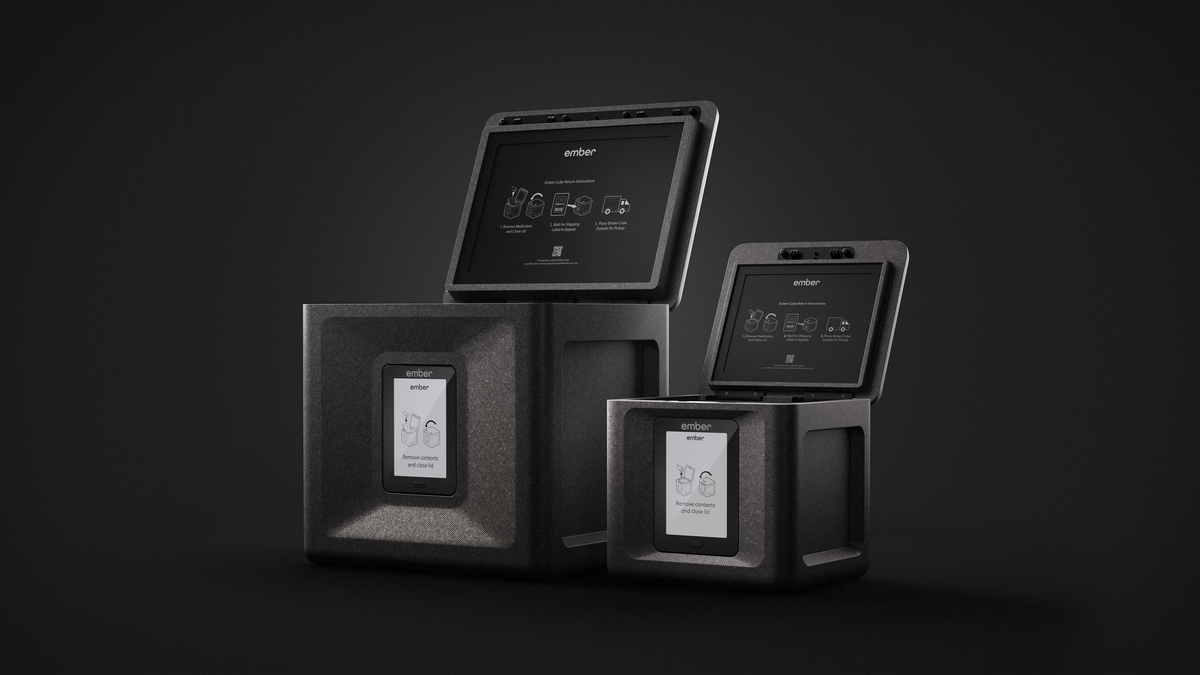
The Ember Cube 2 combines a reusable insulated container with GPS location tracking, cloud based temperature monitoring, and digital shipment records. Its payload compartment is designed to remain between 2°C and 8°C for more than 72 hours when prepared and operated within the specified conditions.
Alerts can identify shipping delays, lid openings, temperature changes, and declining cold storage capacity, giving logistics teams time to investigate before a shipment reaches the end of its qualified thermal period. A digital display can also present shipment information without relying solely on printed labels.
Alfresa operates across pharmaceutical wholesaling, manufacturing, dispensing pharmacies, regenerative medicine, and clinical research services. Its established position allows the containers to be tested within an existing healthcare network rather than through a separate pilot distribution structure.
Home delivery creates operating conditions that differ sharply from movements between professional healthcare sites. Residential addresses may offer limited receiving windows, recipients may be absent, and local parcel networks may not provide the same controlled storage or escalation procedures available at hospitals and wholesalers.
A reusable container must also complete a return journey after the medicine has been delivered. Recovery, inspection, cleaning, charging, refurbishment, and repositioning become part of the regulated logistics process rather than a separate waste or packaging activity.
Dense urban areas can support container recovery because collection routes and delivery volumes are concentrated. Rural districts and island communities present a harder equation, since longer distances and lower shipment density increase the cost of retrieving each unit and reduce the number of cycles completed annually.
Temperature data provides evidence of shipment condition, although effective control still depends on a defined response. An alert must trigger an agreed decision covering contact with the carrier, redirection, replacement, quarantine, or product release, rather than remaining solely as a record reviewed after delivery.
The integrity of those records is particularly important for medicines whose release depends on complete evidence of time and temperature. Ember’s software has been designed around regulated electronic records, allowing shipment history, location, and environmental data to remain associated with the container and its payload.
Japan’s healthcare system is also managing an ageing population and greater use of treatment outside hospitals. As specialist therapies move into outpatient and residential settings, the validated supply chain extends beyond wholesalers, pharmacies, and clinics into less controlled final delivery environments.
Investment in cold chain capacity is accelerating across pharmaceutical markets. India’s expanding infrastructure has prompted tighter expectations around validated storage and monitoring, while Eisai is developing additional controlled capacity at Hatfield as the proportion of temperature sensitive medicines increases.
Reusable packaging can reduce expanded polystyrene, corrugated board, refrigerants, and other disposable materials associated with conventional parcel systems. Those savings depend on high recovery rates, repeated use, efficient cleaning, and limited repositioning, since a container lost after only a few journeys carries a very different cost and environmental profile.
Commercial deployment will therefore depend on container utilisation as much as technical performance. Alfresa and Ember will need operating rules covering pack preparation, handover, collection responsibility, condition assessment, missing units, delayed returns, and seasonal temperature extremes.
The alliance connects Ember’s technology with a distributor able to test those procedures across real pharmaceutical flows. It also gives Alfresa a platform through which location, condition, and return activity can be managed together rather than through separate packaging, carrier, and monitoring systems.
If the model proves reliable, reusable monitored containers could support a larger share of medicines moving directly into homes without weakening control over temperature or custody. The commercial test will rest on whether that protection can be delivered repeatedly, at scale, and with a dependable return cycle.