IN Brief:
- UNIT AI has raised US$12 million from logistics and venture investors.
- Its modular system uses compact robots to store and retrieve individual items.
- The funding will support North American deployments, development, and increased implementation capacity.
UNIT AI has raised US$12 million to expand a modular robotic system designed for individual item storage, ecommerce fulfilment, and returns.
The financing was led by Dynamo Ventures, Prologis Ventures, and Ground Up Ventures, with further participation from eGateway Capital, Recursive Ventures, Think + Ventures, ZEP Fund, and Crosscourt.
UNIT plans to use the investment to increase deployment capacity across North America, accelerate product development, and support a commercial pipeline covering retailers, consumer brands, and third party logistics providers.
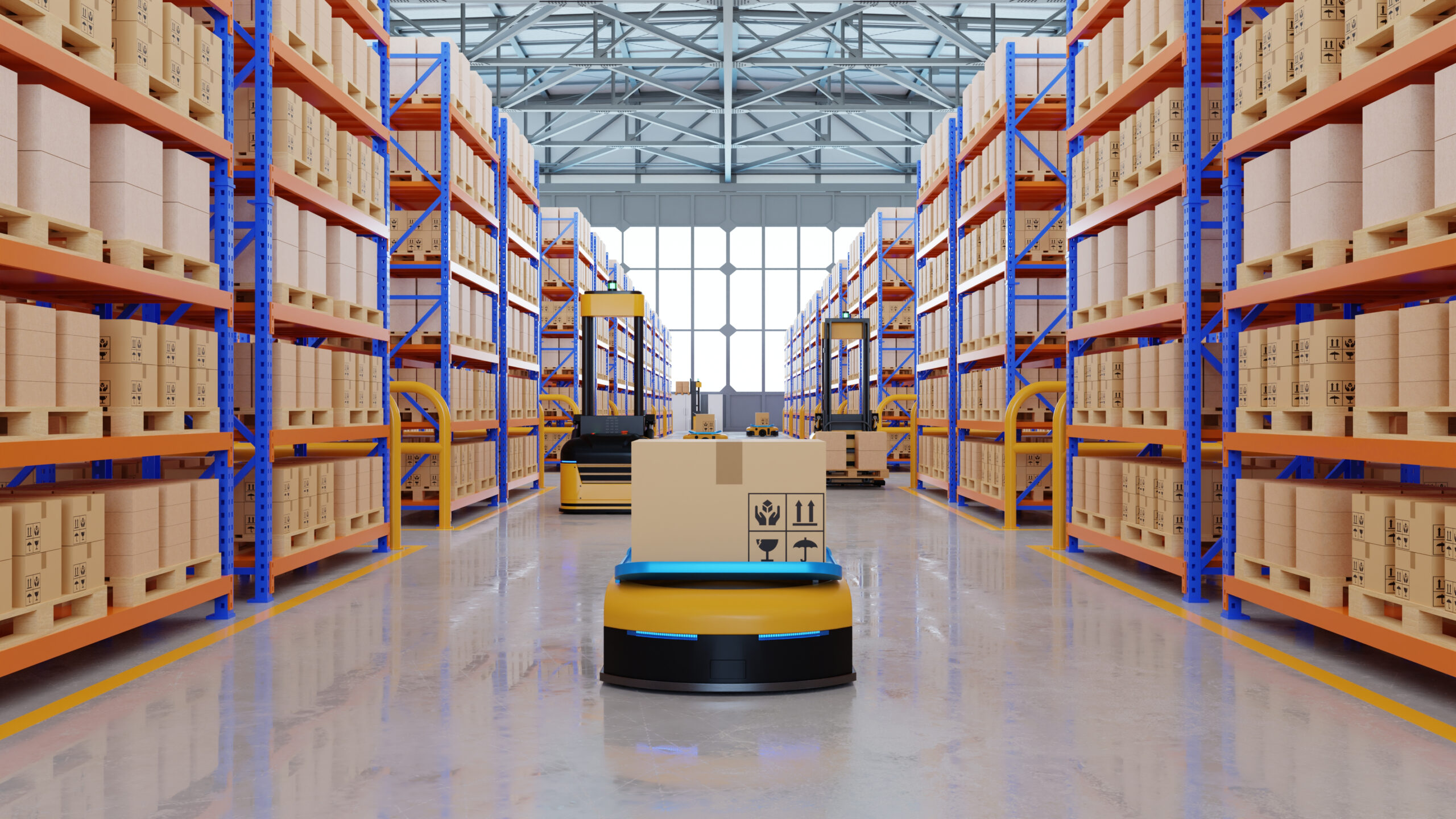
The system combines compact physical automation with software that manages the position and movement of individual products. Small robots operate inside a storage structure, retrieving items for orders or returning inspected goods to available locations.
Unlike large goods to person installations that require extensive grids, conveyors, or purpose designed buildings, UNIT’s equipment is intended to fit into existing warehouse space. Installations can begin in an area of approximately 500 sq ft and expand as volume grows.
The modular design is aimed at operations that cannot justify a major building alteration or long implementation programme. It may also suit multi client fulfilment environments, where product ranges and customer volumes can change more quickly than a conventional automated system was designed to accommodate.
Returns form a central part of the proposition. Goods arriving from customers must be identified, inspected, graded, routed, and made available for resale before their commercial value declines, creating labour intensive work and irregular storage requirements.
Storing individual returned items within an automated system could shorten the path between acceptance and the next order, provided inspection decisions and inventory updates reach the platform accurately. Products requiring repair, cleaning, repackaging, or disposal would still need separate handling routes.
The company is targeting a return on investment within 12 months through rapid installation, a compact footprint, and a usage based commercial model. Early customers include Barrett, ShipCalm, DaVinci, Carter, and apparel businesses.
Guy Glass, Co founder and Chief Executive Officer of UNIT AI, said: “The world’s largest retailers and logistics providers are looking for enterprise grade automation that can be deployed in a week instead of months.”
Automation moves towards smaller commitments
Conventional warehouse automation can require extensive capital approval, building work, software integration, testing, and operational redesign. Large installations may provide exceptional throughput, yet their economics depend on sufficient volume and a stable process over many years.
Modular systems reduce the initial commitment by automating a defined section of the operation. Companies can add capacity in stages, preserving manual processes elsewhere until demand and operating evidence support further investment.
That approach is attractive in leased buildings where the remaining term may be shorter than the payback period for fixed infrastructure. It may also reduce the risk of designing a large system around a product range or customer contract that later changes.
Physical AI is developing alongside this modular model. Slamcore has raised capital for visual AI used in warehouse robotics, while SAP and Cyberwave have deployed autonomous AI robots inside an operating warehouse.
UNIT’s system must still connect with the wider fulfilment process. Inventory entering or leaving the automated area cannot create queues at receiving, inspection, picking, packing, or despatch, and its software must remain aligned with warehouse, order, and returns management systems.
Compact automation can create fragmented control when several independent systems are installed without a common orchestration layer. Maintenance, safety, exception handling, and inventory accuracy become more difficult if each device uses a different interface or operating logic.
Product variability also affects performance. Apparel, cosmetics, electronics accessories, and other small items may fit the physical design, while fragile, unusually shaped, or poorly packaged products require different handling. A broad range of stock can reduce effective capacity even when the nominal storage count appears sufficient.
The US$12 million round gives UNIT an opportunity to build evidence across several warehouse types and demand profiles. Availability, throughput, accuracy, maintenance, and support cost will carry more weight than the speed of the first installation once customers begin running the equipment through seasonal peaks.
Its strongest position lies between fully manual storage and large fixed automation. Warehouses facing high labour costs, growing returns, and limited space may gain a practical entry point, provided the system can expand without creating a collection of disconnected automated islands.