IN Brief:
- Northwards has invested £640,000 in eight insulated trailers for Shetland freight.
- Side access and refrigerated bodies support ferry operations and rising salmon volumes.
- Flexible return loading allows the same equipment to carry feed, supplies, and mixed island freight.
Northwards has invested £640,000 in eight insulated trailers to support growing freight volumes between Shetland and mainland Scotland, including increased output from the islands’ salmon industry.
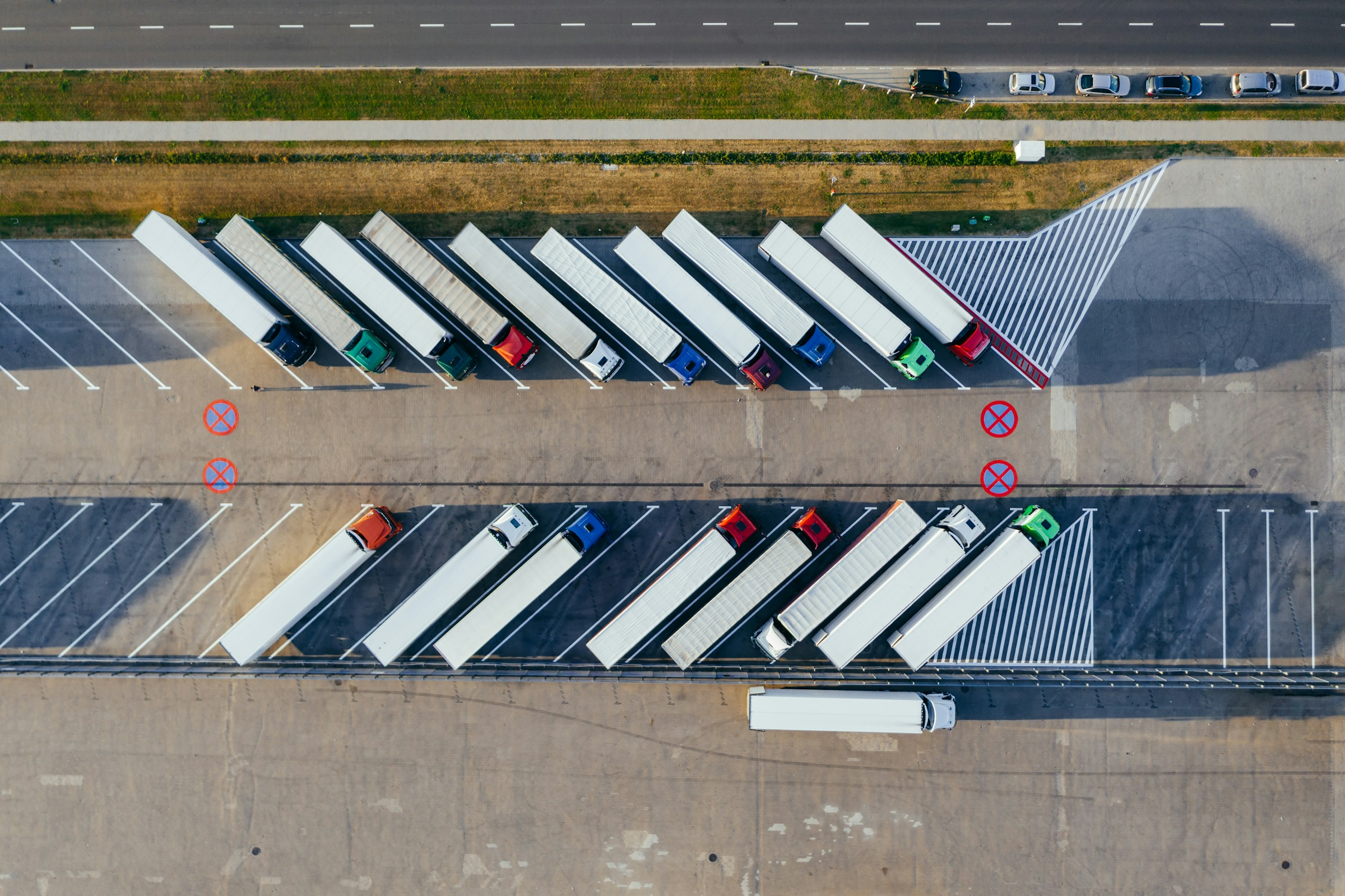
The trailers were built by SDC and use side opening bodies suited to the restricted operating space found on ferry decks, at island terminals, and at sites without conventional loading bays. Thermo King Advancer A400 refrigeration systems provide temperature control, while vehicle tracking and live condition monitoring support the journey from collection to delivery.
Northwards normally introduces four insulated trailers each year through a rolling fleet replacement programme. Doubling that intake during 2026 adds capacity as well as replacing older equipment, reflecting greater demand across food production and the broader island freight network.
Side access allows pallets to be loaded or removed when rear doors cannot be reached because of trailer positioning or surrounding vehicles. Ferry operations frequently require units to be parked tightly, while the unloading order may change after the vessel arrives, making access flexibility valuable.
Outbound loads will include salmon moving from Shetland towards processing sites, distribution centres, and export connections. Return journeys can carry feed, packaging, production equipment, retail products, and other island supplies, improving utilisation of equipment that would otherwise have a limited backhaul market.
Northwards operates from facilities across Shetland, Orkney, Aberdeen, Inverness, Scrabster, and central Scotland. Freight moving through the network may involve road collection, terminal waiting, a sea crossing, mainland haulage, and onward connection to processing or export services.
Each additional handover consumes part of the available time and temperature margin. Ferry delays, weather disruption, queueing, or missed road connections cannot always be recovered through faster driving, particularly when processing plants and export departures operate to fixed intake windows.
Live monitoring allows the transport team to identify a refrigeration problem before the cargo reaches destination. An alert issued at the terminal may permit a repair, equipment change, or load transfer before sailing, whereas a fault discovered after arrival can leave far fewer recovery options.
Temperature data also provides a continuous record across the sea leg, where trailers may remain unattended and vehicle access can be restricted. That record supports investigation and product release if conditions move outside specification during the journey.
High ambient temperatures are placing greater demands on refrigerated equipment and loading procedures. Recent analysis of heat exposure across food cold chains found that refrigeration performance, door opening, dwell time, and equipment maintenance become more critical as summer operating conditions intensify.
Island logistics adds wind, salt, ferry movement, and longer recovery times to the same engineering challenge. Body seals, refrigeration units, sensors, electrical connections, and tracking equipment require preventative maintenance because a minor fault can become commercially serious once a trailer has left the mainland.
Loading speed affects thermal performance as well as productivity. Doors left open during extended loading allow warm and humid air into the body, increasing the cooling work required after departure and creating condensation around packaging and surfaces.
Side access can shorten the distance between dock and pallet position where sites are arranged for lateral loading, although procedures still need to control how many sections are opened and for how long. The body configuration offers flexibility, but disciplined operation determines whether that flexibility protects or weakens the cold chain.
The new trailers also support mixed freight requirements across an island economy where every empty movement occupies limited ferry space. Equipment able to carry chilled seafood outward and suitable dry or temperature managed goods on the return leg provides a stronger utilisation profile than highly specialised assets with no practical backhaul.
Retail operators are pursuing similar flexibility through equipment capable of carrying different temperature regimes within one movement. Asda’s dual temperature moving deck trailers increase load density while allowing chilled and frozen products to share the same route.
Northwards’ trailers address a different operating environment, but the investment follows the same pressure to extract more productive work from every journey. Rising salmon output will increase demand during periods when ferry capacity, processing intake, and mainland connections are already tightly scheduled.
The additional fleet gives the carrier more resilience, yet product condition will continue to depend on coordination between farms, depots, ferry operators, drivers, and receiving facilities. Specialist equipment preserves the cold chain only when every organisation handling the load works within the same timing and temperature controls.