IN Brief:
- HelloFresh has used Locus Robotics automation to expand chilled fulfilment capacity from 100 SKUs to 500 SKUs.
- Factor first deployed 13 Locus Origin robots in July 2025 before HelloFresh added 26 more within three months.
- The AMRs include hardware modifications designed for continuous cold-storage operation.
HelloFresh has expanded chilled fulfilment capacity through a modified Locus Robotics deployment designed for temperature-controlled meal-kit operations.
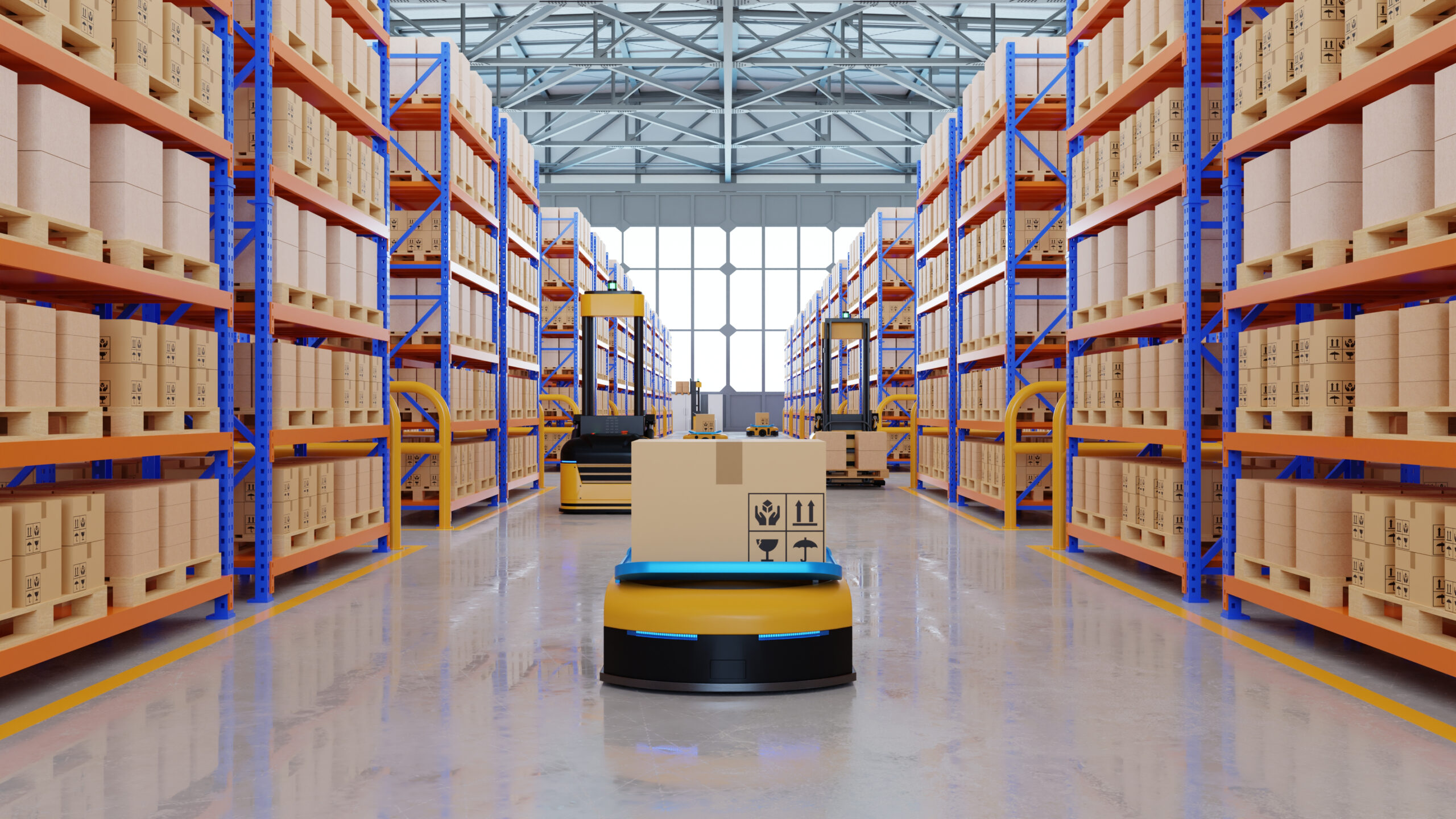
The project has enabled HelloFresh to increase chilled fulfilment capacity from 100 SKUs to 500 SKUs across its brand portfolio. Factor, a HelloFresh brand, first deployed 13 Locus Origin robots in July 2025 during an initial pilot. After the early deployment, HelloFresh added 26 more Locus Origin robots within three months and plans to extend support to EveryPlate fulfilment later this year.
The robots have been adapted for cold-storage operation, including a heated motor enhancement and charging modifications to support continuous use inside chilled environments. Locus Robotics now supports around 12,000ft² of HelloFresh chilled fulfilment space, including two high-speed meal-kit picking lines.
Cold-chain fulfilment places different demands on automation than ambient ecommerce. Battery performance, condensation, worker comfort, hygiene, product dwell time, charging routines, and layout constraints all affect whether an AMR deployment can operate reliably. A robot that performs well in a conventional warehouse can struggle when temperature, moisture, and cleaning regimes change the operating environment.
HelloFresh’s deployment shows how automation is moving into more demanding food logistics workflows. The company initially examined a larger integrated automation system involving two additional providers before selecting a more focused proof of concept with Locus Robotics. That route allowed the business to test AMR performance in a live chilled operation before scaling the fleet.
Autonomous mobile robots offer a different form of flexibility from fixed conveyor or storage systems. They can be deployed in phases, moved as workflows change, and added as demand rises. In food fulfilment, where menu cycles, product variety, promotional activity, and order profiles can shift quickly, that adaptability can be more valuable than a rigid high-throughput system designed around a narrow operating pattern.
SKU growth makes the warehouse control problem harder. More chilled product variety increases the pressure on pick accuracy, stock location, route design, replenishment, and order sequencing. When products have temperature limits and customer delivery windows, fulfilment speed cannot be separated from product integrity. Every additional handling step adds time and risk.
The broader warehouse automation market is moving toward layered systems rather than single, monolithic installations. Datalogic’s recent work across scanning, mobile computing, and safety systems in warehouse automation technology illustrates that shift from isolated hardware toward connected execution environments. HelloFresh’s chilled AMR deployment follows the same pattern, with robotics becoming one operational layer inside a wider fulfilment process.
Brownfield and live-site automation are likely to dominate more food logistics decisions. Many operators cannot pause service, rebuild facilities, or justify a full automated storage and retrieval system for every temperature zone. Systems that can be introduced into existing chilled space, tested quickly, and expanded without heavy disruption will attract attention from meal-kit, grocery, prepared-food, and specialist cold-chain operators.
Reliability will decide how far AMRs can move in this environment. Cold storage reduces tolerance for downtime because product condition, labour availability, and customer service are all tied to time. Maintenance planning, charging discipline, spare capacity, and staff training therefore become as important as the robot specification.
HelloFresh’s project adds another example of food fulfilment becoming more technically complex as customers expect more choice and consistent service. The company’s expansion from 100 to 500 chilled SKUs is not simply a product decision; it is a warehouse execution challenge. Adapted AMRs give the operation a more flexible route to scale, provided the systems keep performing inside the cold chain rather than beside it.