IN Brief:
- Northern Wind installed four Kargo camera towers at its New Bedford dock doors in 2025 to capture outbound seafood shipment evidence.
- Kargo reports 6,970 monitored shipments and 917 recorded damage exceptions, with first-year savings of $106,000 attributed to the installation.
- The company plans to extend the system towards additional inbound and outbound workflows, including advance shipping notices.
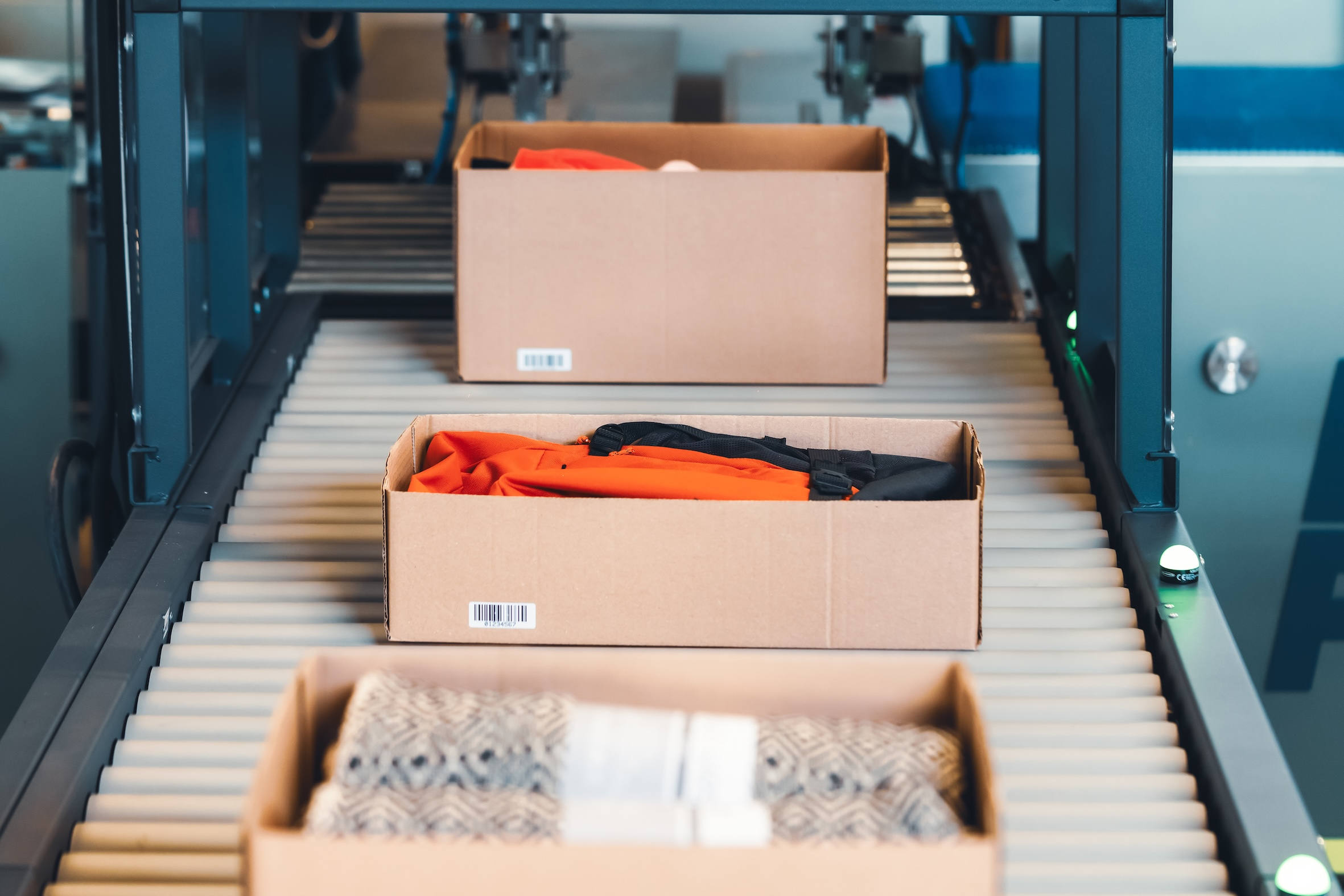
Seafood processor and distributor Northern Wind has recorded 6,970 shipments and 917 damage exceptions in the first year of a camera-based documentation system at its New Bedford, Massachusetts, facility. The equipment, supplied by Kargo, captures visual records as freight crosses dock doors, providing evidence about pallet condition and product identification before shipments enter external transport and storage networks. Kargo reported the operating results on 12 November 2026, including $106,000 in first-year savings and a threefold return on investment.
Four camera towers were installed at the facility in 2025. Northern Wind handles products including scallops, lobster, and tuna, which move through its own operation and third-party logistics providers before reaching retailers and wholesale customers. Individual seafood pallets may contain more than 100 cases, while different sizes, product descriptions, and date codes can appear in the same outbound handling programme. Recording those details manually creates substantial work at the point where trailers are being loaded and dispatch deadlines have to be met.
The towers capture freight information as cases pass through the dock area. Kargo describes the system as using computer vision to read visible identification and maintain photographic evidence of the shipment. Northern Wind uses generic barcodes, and Kargo’s case study describes a connection to the warehouse management system while also noting that the towers can operate without a complex integration. Collecting images at a dock does not establish that every downstream warehouse or carrier has adopted the same digital record.
Barcodes and case labels associate goods with an order and stock record; dock photographs establish the visible condition of packaging at the moment the shipment is observed. When a receiver reports an incorrect product or damaged case, its account can be compared with the departure evidence. The record may show that a pallet left New Bedford without visible crushing, but it cannot on its own identify where later damage occurred or establish which carrier was responsible.
Kargo reports that the first-year installation captured 917 damage exceptions across 6,970 tracked shipments. These figures should not be interpreted as 917 separate customer claims or as a defect rate: an exception is a condition captured by the monitoring system, and the supplier has not published a breakdown of its severity, whether multiple observations relate to one shipment, or how many ultimately became financial claims. The published figures establish activity at the dock rather than a verified reduction in damage frequency.
Kargo attributes $106,000 in first-year savings to the installation and describes a threefold return on investment. The supplier has not published a calculation separating equipment and software costs, reduced claims, administrative savings, and other operating effects. Its first-year activity figures establish the scale of freight monitoring but not the distribution of financial benefits. The stated return cannot therefore be independently recalculated from the published figures.
Visible lobster date codes provide another practical check at dispatch. Northern Wind can use them to identify older stock before completing an outbound shipment, supporting the sequence of goods selected against its inventory instructions. Capturing a date code is not equivalent to monitoring product temperature or validating remaining shelf life: the described Kargo installation collects visual and identification data, not continuous refrigeration records.
Northern Wind receives seafood from suppliers in Asia and works with cold storage and distribution partners in California, Florida, Illinois, Louisiana, and Rhode Island, while supplying customers as far away as the United Kingdom and Korea. A consignment may be transferred between facilities and collected by more than one carrier before delivery. When an order is disputed, the parties can compare departure photographs with receiving records, manifests, product labels, and transport documents at each custody change.
Centralising departure images can reduce the time spent locating evidence, although the system only records the points at which freight is observed. A complete chain-of-custody dispute may still require receiving records, trailer information, temperature history, carrier documentation, and customer inspection findings. A pallet photographed in sound condition before loading could be damaged later in transit, but the camera record alone cannot identify the moment of damage. The operational value comes from narrowing the period under investigation and improving the consistency of documentation.
Automated capture still depends on goods passing within the cameras’ field of view with labels and relevant packaging surfaces visible. An obscured label, irregularly wrapped pallet, or ambiguous observation may need a manual check before a shipment record is accepted. Staff must also decide who receives an exception and what response is required before the trailer departs. Kargo has not published case-level identification accuracy, exception-resolution times, or the proportion of loads requiring intervention at New Bedford.
Northern Wind intends to extend the technology beyond its current evidence-gathering role. Kargo identifies advance shipping notices as a potential next application, both between Northern Wind facilities and when providing information to external customers. An electronic advance shipping notice can describe the goods expected at a receiving site before the vehicle arrives, allowing the recipient to plan receiving capacity and reconcile delivered units. Turning observation data into reliable notices would also require verified order associations, the appropriate message format, and agreement on the timing of issue.
Neither party has specified a timetable for the proposed advance shipping notices or confirmed further camera installations. The measurable deployment remains four dock-door towers and the first year of recorded activity. Subsequent results would need to distinguish exceptions detected from customer claims actually resolved, while showing whether the same shipment evidence can be reconciled across transport, cold storage, and receiving systems.