IN Brief:
- KMTC signed a contract in Guangzhou on 26 October for six 3,100-TEU containerships at CSSC Huangpu Wenchong.
- The Honghu-design vessels account for 18,600 TEU of contracted future capacity, rather than ships already in service.
- The yard has not disclosed the purchase price, delivery timetable, propulsion specification or details of the buyer-specific modifications.
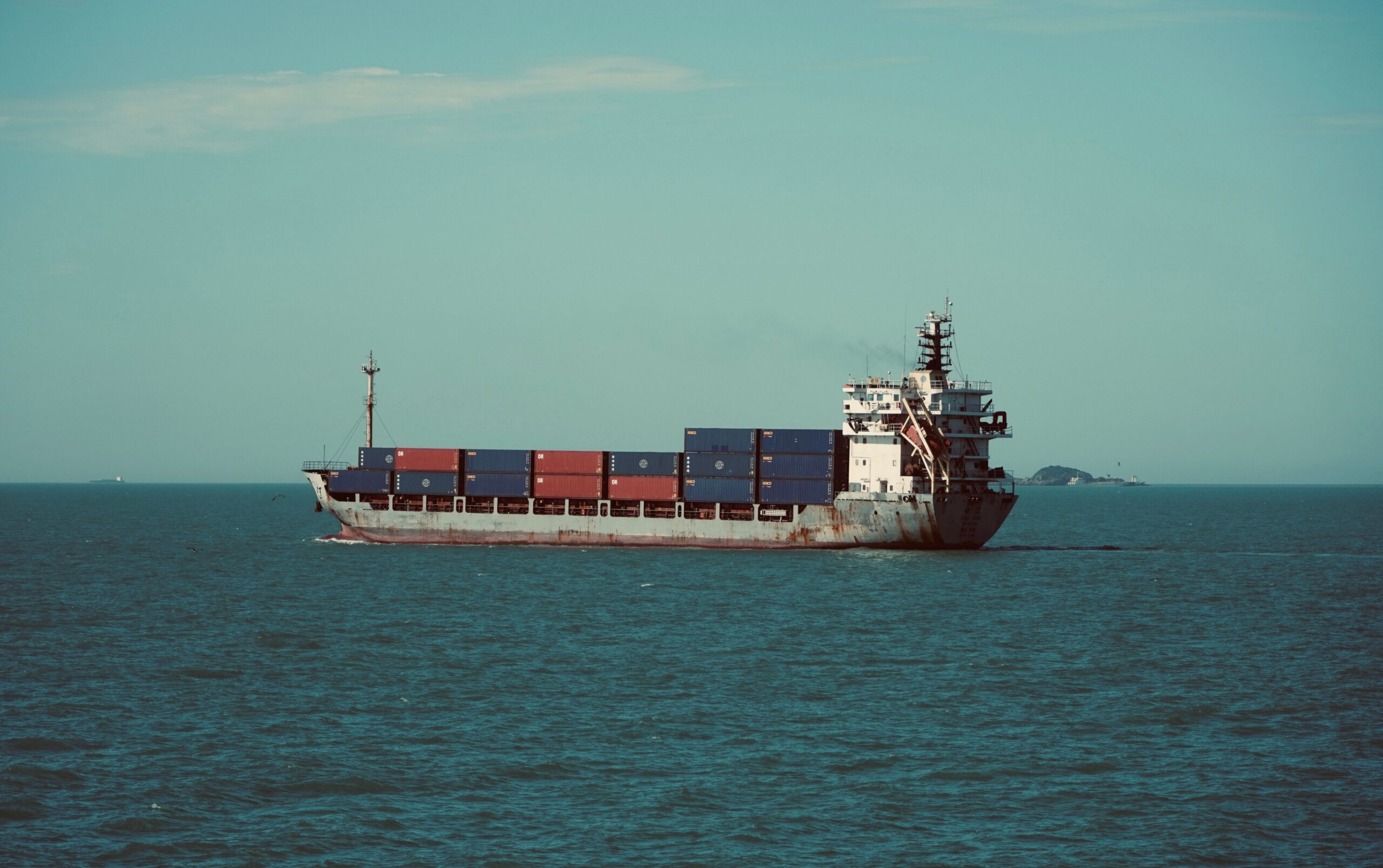
Korea Marine Transport Co (KMTC) has contracted six 3,100-TEU container vessels at CSSC Huangpu Wenchong Shipbuilding in China, marking the South Korean liner operator’s first newbuilding order with a Chinese yard. The agreement was signed in Guangzhou on 26 October 2026 with Huangpu Wenchong and China Shipbuilding Trading Co, which is also involved in the contract. Together, the vessels represent 18,600 TEU of nominal capacity, although their delivery dates have not been announced.
The six vessels will use Huangpu Wenchong’s Honghu, or Swan, design, which has been adapted for KMTC. The yard says the changes are intended to improve operating economy and flexibility, but has published neither a technical specification for the adaptations nor comparative fuel-consumption figures. The purchase price, delivery schedule and propulsion arrangement also remain undisclosed. There is consequently no evidence that the order specifies LNG, methanol, ammonia or another alternative fuel.
Until this contract, KMTC had generally commissioned its newbuilds from South Korean shipyards. The Guangzhou agreement is its first newbuilding order with a Chinese yard and its first construction contract with China State Shipbuilding Corporation, extending its procurement relationships into another major shipbuilding market. Existing Chinese-built vessels in the wider KMTC fleet, including chartered tonnage, are a separate question: owning or operating a ship built in China is not the same as placing a new construction contract there.
KMTC’s established network includes services connecting South Korea, Japan, China and other Asian markets. Ships in the 3,100-TEU class can be deployed where a larger intercontinental vessel would provide too much capacity or face berth, draught and port-handling constraints. Vessel dimensions, cargo mix and schedule frequency determine which feeder ports are suitable, as does the reliability of connections to long-haul container services. The carrier has not named the routes, terminals or dates on which the six new ships might enter operation.
TEU denotes twenty-foot equivalent units, an industry measure of container-carrying capacity rather than a guaranteed number of loaded boxes on every voyage. The combined 18,600-TEU figure adds the six vessels’ nominal capacities; it is not an announced immediate increase in KMTC’s operating fleet. Actual capacity available to customers will depend on delivery, commissioning, deployment and whether new ships replace or supplement existing tonnage. Commercial loads also depend on cargo weight, ship stability, refrigeration connections and the space allocated to each trade.
Huangpu Wenchong introduced the Honghu design family in 2020 and has secured orders from multiple international owners. Repeating a vessel design can enable the yard to standardise steel fabrication, outfitting sequences and equipment procurement, although customer changes still have to pass design review and classification approval. The yard has not identified which components, cargo arrangements or systems were altered for KMTC. Without those particulars, its economy claims remain design objectives rather than verified efficiency improvements.
The Korean carrier’s move is part of a wider order pipeline at the Guangzhou builder. Earlier in October, Vietnamese operator Hai An Transport agreed to buy two 1,900-TEU vessels from Huangpu Wenchong, also described as its first construction agreement with the yard. The Chinese builder has series-production experience across several smaller container-ship sizes, enabling customers to select a design suited to the volume and route constraints of their planned operation rather than simply ordering maximum nominal capacity.
Repeat designs can also help manage construction interfaces between hull blocks, propulsion machinery, electrical distribution and cargo-handling systems. However, buyers still need to align the shipyard programme with delivery of engines, navigation equipment, container lashing arrangements and acceptance trials. None of the public contract material establishes KMTC’s contracted delivery milestones or a unit price. A published industry estimate for a comparable ship would not establish the price agreed for these six vessels.
The procurement decision broadens an established Korean operator’s links to Chinese shipbuilding capacity at a time when yards are competing for a growing number of small and medium container-ship orders. Technical support, class rules, spare-parts provision and service commitments will matter throughout each vessel’s operating life, but KMTC has not explained how it weighted those considerations. Financing, charter commitments and any planned withdrawal of older ships also remain undisclosed.
The confirmed capacity is therefore 18,600 TEU on order, rather than 18,600 TEU already added to the carrier’s sailing network. Future fleet reports will need to distinguish completed deliveries from ships still under construction, and replacement tonnage from net additions. Service deployment, propulsion specifications and contractual delivery dates remain the principal missing details after the 26 October signing.