IN Brief:
- K&R is using Descartes to automate hundreds of thousands of EU ICS2 submissions each month.
- Individual charter flights can contain tens of thousands of parcels requiring shipment-level security data.
- Automation increases filing capacity but leaves source-data quality and exception handling as critical operating controls.
Descartes Systems Group is automating European Union Import Control System 2 security filings for K&R International Services, addressing the data volumes generated when charter aircraft carry tens of thousands of individual ecommerce consignments.
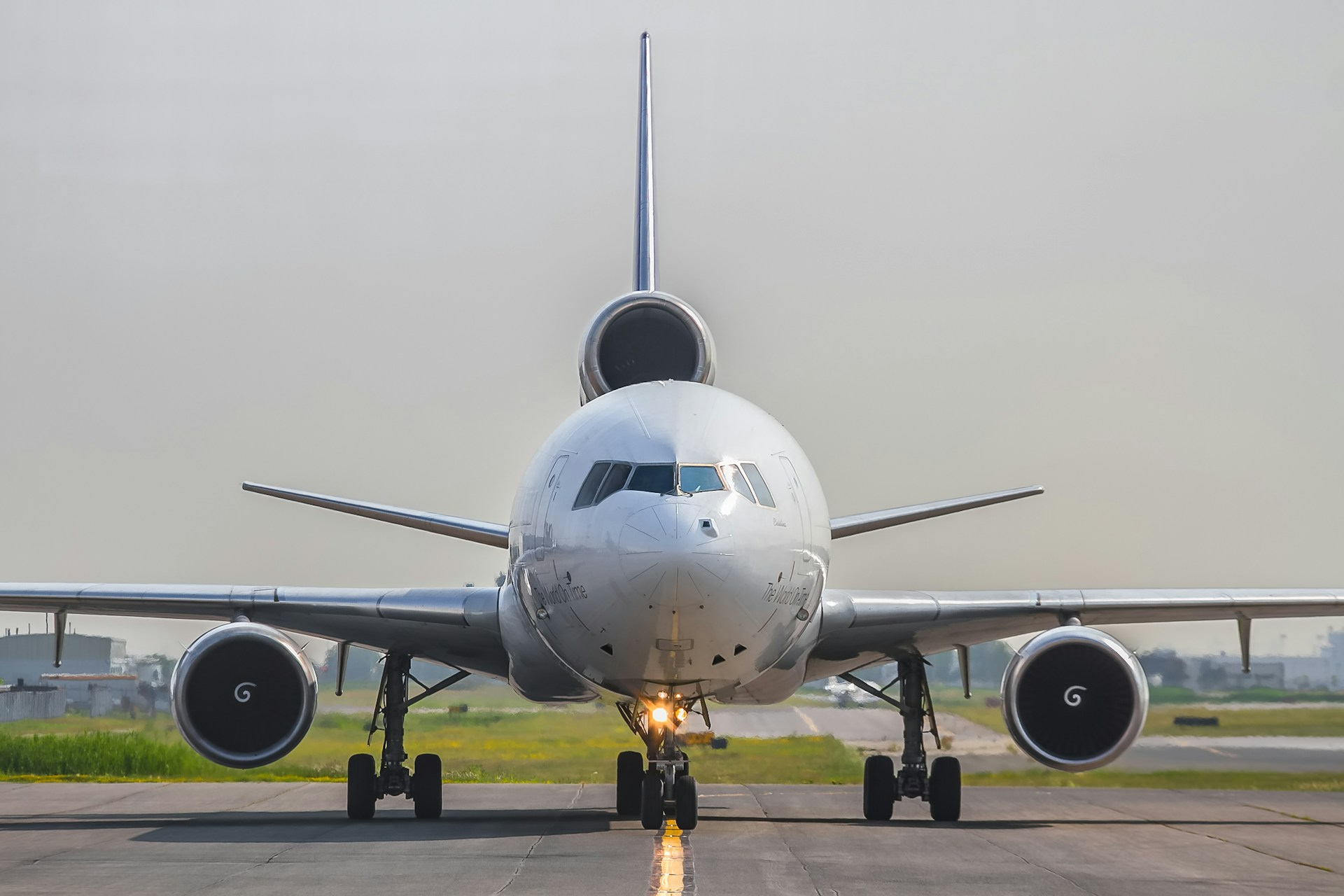
Michigan-based K&R provides air cargo services to charter carriers moving ecommerce freight into Europe. It is using Descartes’ global security filing application to standardise shipment information and automate hundreds of thousands of regulatory submissions each month.
The filing burden is driven by the number of individual consignments rather than the number of aircraft. K&R says a single charter flight can contain tens of thousands of ecommerce parcels, each carrying shipment data that has to be processed within tight regulatory and operational windows.
Descartes’ application uses its Global Logistics Network to standardise data capture, transmit security filings electronically to customs authorities, and manage customs responses and exceptions. Automating those processes allows K&R to handle parcel volumes that would be impractical to process through one-at-a-time security filings.
The requirement sits within the European Union’s Import Control System 2. ICS2 is the advance cargo information system used for goods entering or transiting the EU and supports customs security risk analysis before cargo reaches the border.
Economic operators must submit an Entry Summary Declaration containing the required shipment information before arrival. Air cargo also has a pre-loading requirement, under which a minimum set of data must be filed before goods are loaded onto the aircraft bringing them into the EU customs territory.
That timing makes regulatory data part of the departure process rather than an administrative task completed after the aircraft has left. An available aircraft, booked slot, loaded warehouse, and ready crew do not remove the need for individual consignments to have sufficient data for the security process.
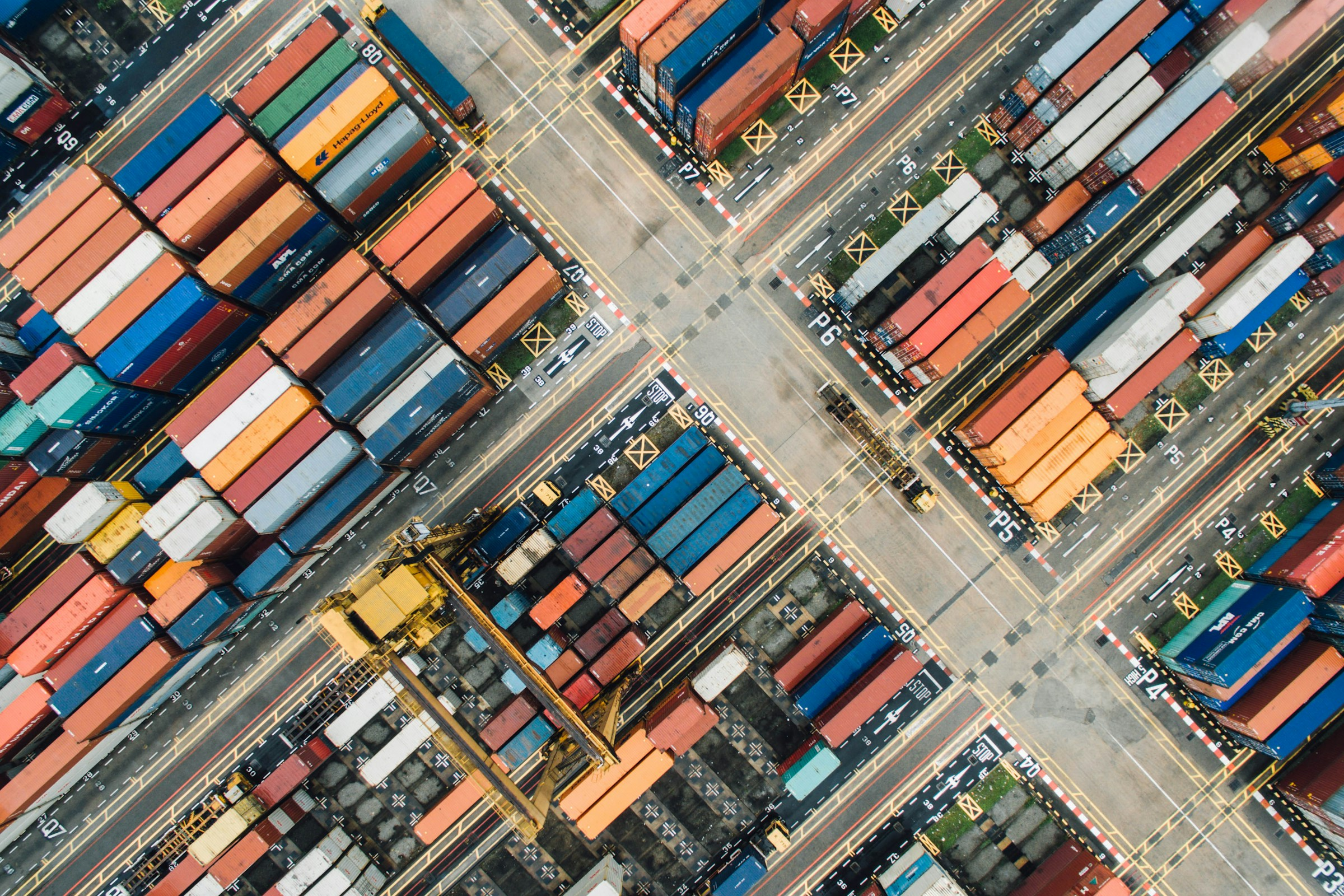
High-volume ecommerce makes the mismatch particularly visible. Physical operations gain efficiency by consolidating thousands of parcels into one charter movement, but the security system still needs enough information about the underlying consignments to carry out risk analysis.
The result is a data workload that can increase much faster than the number of flights. One additional charter can create tens of thousands of new records requiring validation, transmission, acknowledgement, and, where necessary, correction.
Automation changes where the constraint appears. Manual filing capacity becomes less significant, while the completeness and quality of the source data entering the system become more important.
An automated platform can transmit large numbers of declarations quickly, but it can also reproduce poor data quickly. Commodity descriptions, parties, routing information, transport references, and other required fields have to be captured accurately upstream if the filing process is to run without an expanding exception queue.
EU customs authorities can reject incomplete Entry Summary Declarations or issue risk-mitigation referrals requesting additional information. In the air pre-loading phase, customs can also require further screening or issue a direction not to load particular cargo while the risk assessment is unresolved.
That gives exception management a direct connection with air cargo performance. A routine declaration that passes through automatically consumes little operational attention; a failed or referred record close to aircraft cut-off can require intervention while the physical freight operation is already moving towards departure.
K&R’s use of Descartes is intended to separate those two populations. Standard records can be processed at scale, leaving staff to work on the filings that require correction or a response to customs rather than treating every consignment as a manual transaction.
The wider ICS2 rollout makes the same data discipline relevant across more transport modes. Since 1 June 2026, consignments entering the EU by any means of transport should have a valid Entry Summary Declaration submitted either through ICS2 or, where applicable, as part of the linked NCTS Phase 6 transit process.
Air freight has been subject to ICS2 requirements for longer, but the completed rollout reinforces a wider shift towards earlier security information throughout international supply chains. Carriers, forwarders, brokers, shippers, and technology providers increasingly have to establish responsibility for data before cargo arrives at a border.
That responsibility can be complicated when several parties hold different pieces of the information required for the declaration. ICS2 permits multiple filing arrangements in relevant circumstances, allowing different supply chain actors to provide separate parts of the required data according to contractual responsibilities and information availability.
The technology therefore has to do more than submit a message. It must associate data with the correct shipment, identify missing information, interpret customs responses, and route exceptions to somebody capable of resolving them before the cargo schedule is affected.
For ecommerce charter operations, speed magnifies the importance of those controls. Parcels may be consolidated from many sellers and origins, and inconsistent product descriptions or party information can create a large volume of corrections if data standards are not applied before the cargo reaches the security filing stage.
Descartes has not disclosed K&R’s filing acceptance rate, error reduction, labour saving, or average processing time before and after implementation. The announcement consequently establishes the scale being automated but does not quantify the productivity improvement.
Those measures will determine the operational value. Hundreds of thousands of automated submissions represent capacity; acceptance rates and exception resolution determine whether that capacity keeps freight moving.
The physical air cargo network continues to depend on aircraft availability, handling capacity, warehouse processing, and airport slots, but high-volume ecommerce adds regulatory data as another potential bottleneck. The faster freight is sorted and consolidated, the more obvious a slow compliance process becomes.
K&R is using automation to stop filing volume rising in direct proportion to administrative headcount. Whether the system succeeds will be visible in the less dramatic statistics: fewer manual interventions, cleaner source data, faster resolution of customs referrals, and fewer consignments reaching a flight cut-off with their security status still unresolved.