IN Brief:
- Almost 500 tonnes of crushing, sorting, milling, flotation, and refining equipment are moving to Port MacKenzie.
- The shipment comprises more than 40 containers and oversized loads assembled from a recently decommissioned plant and other North American equipment.
- A US$43.4 million Defense Production Act-backed programme targets first antimony production in 2027.
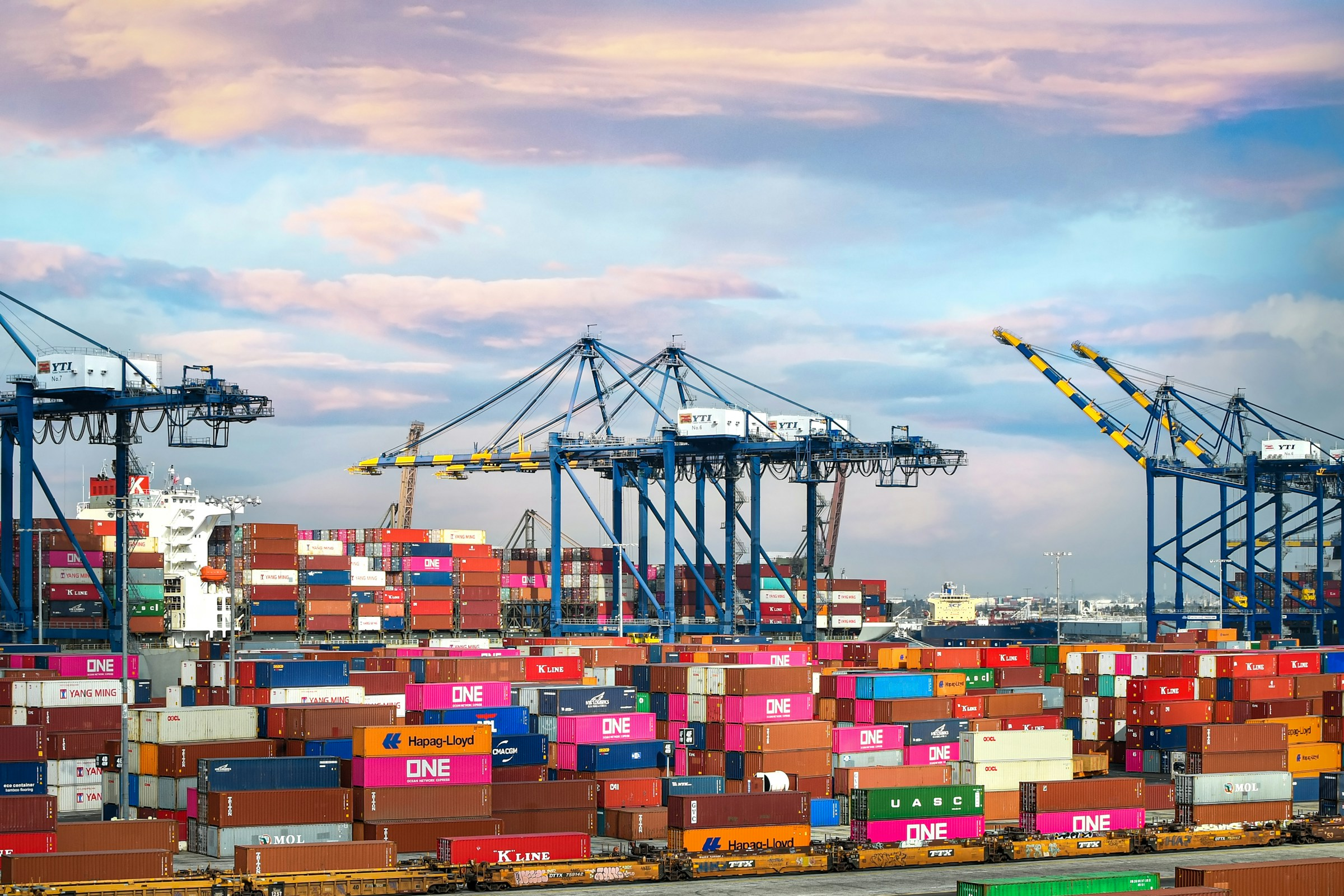
Nova Minerals has started moving almost 500 tonnes of antimony processing and refining equipment from Seattle to Port MacKenzie in Alaska, turning six months of procurement and logistics work into a physical plant-delivery programme. More than 40 containers and several oversized loads left Seattle by barge on 26 August and are expected to arrive in early September.
The shipment includes crushing, ore-sorting, milling, flotation, and refining equipment required for the planned Port MacKenzie operation. Its arrival is intended to allow construction of the antimony processing facilities to begin as Nova works towards first production in 2027.
The equipment was not fabricated entirely for the project. Nova acquired a recently decommissioned modern processing plant and other machinery from locations across North America, consolidated the assets in Seattle, and is now moving them north in a mixture of conventional containers and out-of-gauge loads.
That procurement route is intended to reduce both capital cost and lead time compared with specifying and manufacturing a complete new processing line. Existing machinery still needs to be inspected, installed, modified where necessary, connected to new services and controls, and commissioned against the material it will process, but much of the fabrication delay has already been avoided.
The Port MacKenzie facility is intended initially to produce antimony trisulfide, with a modular design capable of expansion into other refined products including antimony metal and antimony trioxide. Nova’s longer-term plan is to combine mining, processing, and refining within an Alaskan supply chain rather than exporting material for overseas conversion.
The development is supported by a US$43.4 million Defense Production Act Title III award. Antimony is used in defence, electronics, energy-storage, flame-retardant, and other industrial applications, making processing capacity a supply-security issue as well as a mining investment.
Current US Geological Survey data underlines that dependence. The 2026 Mineral Commodity Summaries estimate US net import reliance for antimony at 91% of apparent consumption in 2025, with China identified as the primary import source over the 2021–24 period.
Separate USGS analysis also demonstrates why bilateral import statistics do not always reveal the full source of critical-mineral dependency. Minerals can pass through intermediate processing countries before entering the United States, making the upstream provenance of feedstock more concentrated than the final customs origin suggests.
That places domestic refining capacity in a different category from simply changing the country from which finished material is purchased. A plant able to process stibnite-bearing feed within the United States creates another stage of domestic control, even though mining volumes, plant performance, and the origin of future feed still determine how independent the resulting chain becomes.
The logistics of establishing that capacity are substantial in their own right. Almost 500 tonnes of machinery have to be lifted, secured, shipped, unloaded, positioned, and connected at Port MacKenzie. Oversized process equipment requires different handling from containerised components and can dictate barge, crane, route, and installation sequencing.
Port infrastructure gives Nova a practical route for those construction movements. The company also points to the proposed West Susitna Access Road and Port MacKenzie rail spur as potential parts of the wider logistics chain, although future production still depends on infrastructure, mine development, permitting, and commissioning beyond the current shipment.
Using an existing plant reduces procurement time but changes the risk profile. Project engineers have to confirm the condition of the machinery, the availability of replacement components, compatibility between equipment acquired from different sites, and whether the original process configuration suits Nova’s antimony flowsheet.
The company’s July engineering update showed that equipment was already being assembled for shipment, so the August departure is a genuine progression from procurement into physical mobilisation rather than a repeat announcement. The barge movement establishes that a large part of the processing package is now committed to the Alaska site.
It should not be confused with completed domestic supply. Construction must begin after arrival, systems have to be integrated and commissioned, and sufficient feed material has to reach the plant before saleable antimony can be produced. The 2027 production target remains a forward milestone.
Even so, the current movement is significant for a supply-chain project because the hardware is no longer a procurement schedule. More than 40 containers and multiple oversized loads are physically travelling towards the processing site under a programme funded specifically to strengthen US access to antimony.
The next useful evidence will come from installation and commissioning at Port MacKenzie. If Nova can turn the repurposed North American equipment into reliable production during 2027, the project will move beyond critical-mineral policy and begin adding actual processing capacity to a US market that remains heavily dependent on imported antimony.