IN Brief:
- The existing Salalah Port Services concession agreements expire on 1 November 2028 and will not be extended.
- Oman says port operations and development will continue under the current arrangements until that expiry date.
- The identity of the future operator and the financial consequences for Salalah Port Services have not been disclosed.
Salalah Port Services has received formal notice from Oman’s Ministry of Transport, Communications and Information Technology that its current concessions to operate the Port of Salalah will not be extended beyond 1 November 2028. The ministry describes the decision as final and unconditional. Its separate assurance that port operations and development will continue under the existing agreements leaves the current operator in place for the remaining term; no immediate terminal handover has been announced.
Salalah Port Services’ board will assess the commercial and contractual effects of the notice, consult relevant stakeholders and disclose material developments when required. The ministry says a successor operator will be announced in due course, but has not identified that organisation or described the selection procedure. Responsibilities for any transfer of staff, equipment, systems and customer contracts after expiry also remain to be agreed or disclosed.
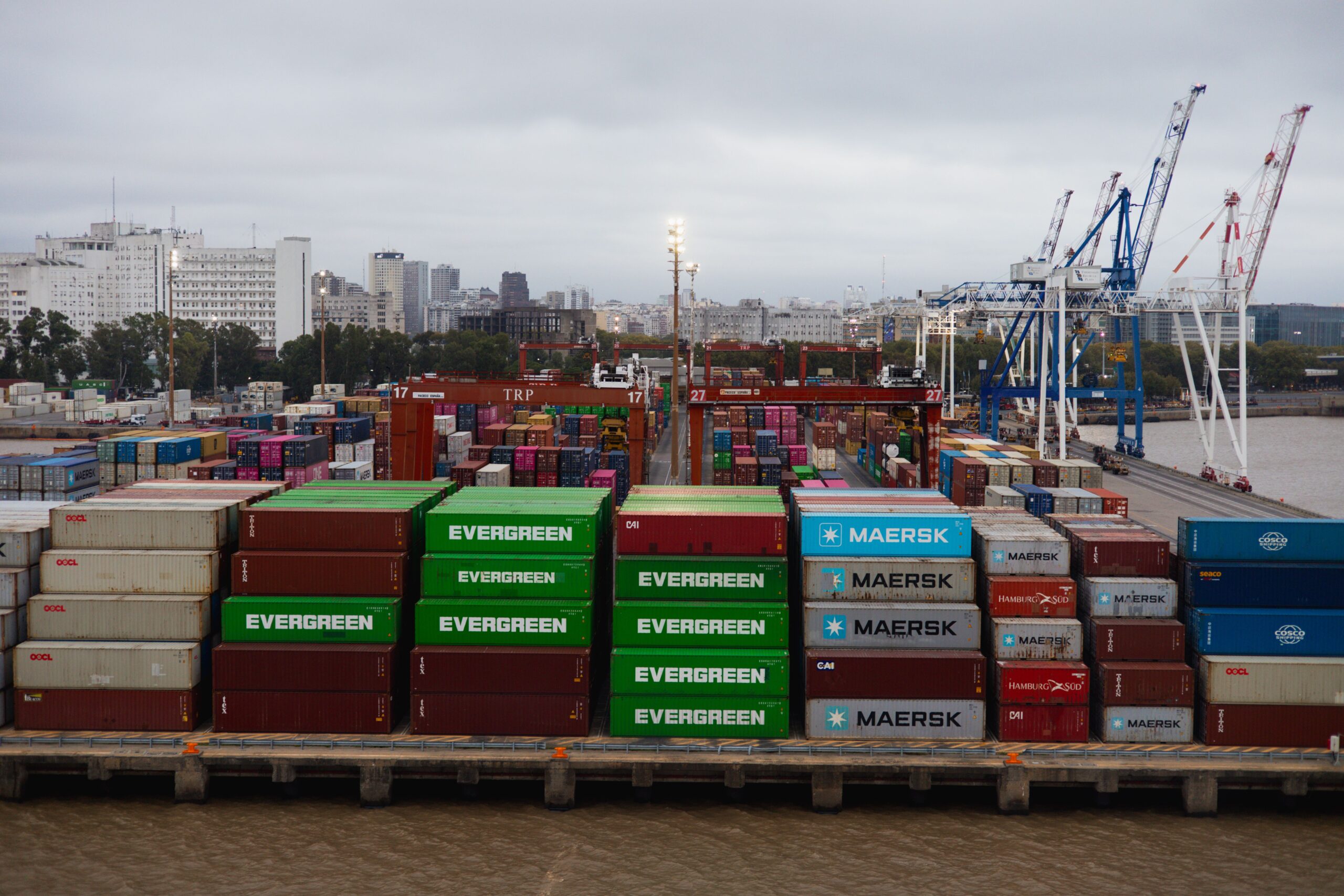
Salalah is a container transhipment and general cargo gateway on Oman’s southern coast, located close to major east–west sea lanes and serving connections towards the Indian subcontinent, East Africa and the wider Middle East. Its operating model affects both large container vessels using the port for transfers and the regional shippers moving freight through its container, breakbulk and bulk-handling systems. The port also supports import and export cargo linked to local industrial activity and the surrounding logistics economy.
A port concession generally allocates operating responsibilities, commercial rights and investment obligations over an agreed period. Its expiry does not mean that existing cranes, quays or transport connections disappear, but the organisation accountable for running the terminal could change. The incoming arrangements must identify who maintains equipment, employs or manages operational staff, controls terminal systems and handles carrier and customer contracts. None of those post-2028 allocations has been established publicly in the ministry’s announcement.
Existing berths, yard equipment and landside interfaces must remain available to handle cargo during the concession’s final two years. Berth plans allocate vessel calls, yard teams transfer containers between cranes and storage blocks, and road or feeder connections determine when units can leave the terminal. Shipping lines and warehouse operators may make capacity commitments across several seasons, so continuity of equipment maintenance and customer documentation will remain operational requirements even while the future concession arrangements are unresolved.
The ministry has also pledged that development work will continue while the concession remains in force. That is not an announcement of additional construction contracts or a newly approved capital budget. The statement identifies neither the scope nor the timetable of projects that might proceed before November 2028, and the renewal decision does not by itself establish a change in crane capacity, terminal throughput or vessel service reliability.
APM Terminals, the ports division of A.P. Moller–Maersk, holds a reported 30% interest in Salalah Port Services. That ownership relationship is distinct from the concession through which the port is operated: a decision not to renew concession rights does not establish a sale of the physical infrastructure or determine whether the existing shareholder will participate in future arrangements. Neither APM Terminals nor another prospective operator has been announced as the incoming concessionaire.
Operational handover planning may eventually involve terminal operating software, equipment maintenance records, container tracking interfaces, customer documentation, safety procedures and customs links. The amount of work required depends on the operating structure adopted: continuity under a largely unchanged team would present different challenges from an extensive systems and workforce transition. The present notice provides no evidence that any such migration has begun, or that carriers face a near-term interruption to established services.
Transfer boxes at a transhipment hub need to be discharged from one ship, placed in the yard and loaded onto a connecting vessel, often within a limited berth window. Local imports follow a different chain from customs release to terminal collection and road delivery. Throughput, dwell time, equipment availability and on-time vessel exchanges will show whether Salalah’s existing operation continues to perform during the transition period; a decision about the next contract does not itself change those measures.
Salalah Port Services must now determine how the non-renewal affects outstanding obligations and its prospects after the concession ends. The ministry has not published a successor-selection date, tender or completed transition plan. Until those decisions are made, the current concessions remain in force until 1 November 2028, with the ministry committed to uninterrupted port operations and development during the existing term.