IN Brief:
- The United States announced a $17m grant on 16 October for Colombo port digital systems.
- Funding is intended to improve the Maritime Single Window and Port Community System used by port stakeholders.
- A competitive implementation process is anticipated; no verified system go-live date or measured savings were announced.
The United States has announced a $17 million grant to improve the digital systems used to process maritime information at Sri Lanka’s Port of Colombo. The proposed investment will support the Maritime Single Window and Port Community System, which provide channels for exchanging documentation and operational data between public authorities and companies using the port. The announcement was made on 16 October during a visit by US Ambassador Eric Stern Meyer to the Sri Lanka Ports Authority.
Sri Lanka Ports Authority chairman Dr Parakrama Dissanayake and Ports and Civil Aviation Minister Anura Karunathilaka were among those attending the ambassador’s meeting. The announced $17 million is intended for a digital infrastructure programme, not for systems already installed. Contemporary reporting anticipates competition for an implementation partner, but the authority has not confirmed a supplier, binding commissioning date or measurable clearance-time target.
A Maritime Single Window is used to submit information required by authorities for the arrival, stay and departure of ships. Depending on the national implementation, information can include vessel particulars and declarations relevant to customs, immigration, port health and other regulatory agencies. Its central purpose is to reduce repeated submission of the same data through separate administrative channels. The precise application modules to be funded at Colombo have not been specified in the initial announcement.
A Port Community System serves a related but wider exchange between shipping lines, terminal operators, freight forwarders, customs and other authorised participants. It can link records about cargo and vessel movements with regulatory information supplied through a Maritime Single Window. Whether that reduces duplicate entry or inconsistent records depends on shared identifiers, timely updates and agreed access permissions; the announcement does not specify which interfaces will be delivered at Colombo.
Colombo’s role as a major Indian Ocean transhipment hub makes the administrative interfaces consequential even when the containers themselves are not being imported into Sri Lanka. A container can arrive on one vessel, be discharged, wait within a terminal and depart on a connecting service. Its movement must be linked to correct ship and cargo information as well as terminal handling plans. Digital document exchange can support that process without replacing quay cranes, yard equipment or physical inspections.
Coordination between the Sri Lanka Ports Authority, customs, shipping lines and terminals is the stated objective of the grant. A common electronic record can indicate whether a declaration is received, validated, queried or amended, reducing the need to reconcile multiple copies manually. The authority has not claimed that all current procedures are paper-based, and neither a verified number of saved hours nor an achieved reduction in clearance delays has been supplied.
Implementation will require agreement about who originates each field, which organisation is responsible for validating it and which users may access it. Cargo and vessel data often arrive from different systems and at different points in a movement. Incorrect references, late amendments and incompatible formats can still cause delay even when exchange is electronic. The funding announcement contains no published technical architecture, cybersecurity specification or timetable for integration with existing applications, so specific technology claims would be premature. The announced funding amount does not allocate costs between the two platforms or identify expenditure on training, maintenance or interfaces. Those procurement details will shape what information can actually move between public agencies and commercial systems once the new applications are integrated.
Cargo release remains a sequence of separate actions even after documentation has moved into digital channels. Regulatory clearance does not confirm that a container has been discharged, inspected where required, released by every responsible agency or collected by a road or rail operator. Better data exchange can reduce administrative uncertainty, but the physical cargo movement still depends on terminal work queues, equipment availability and onward transport appointments.
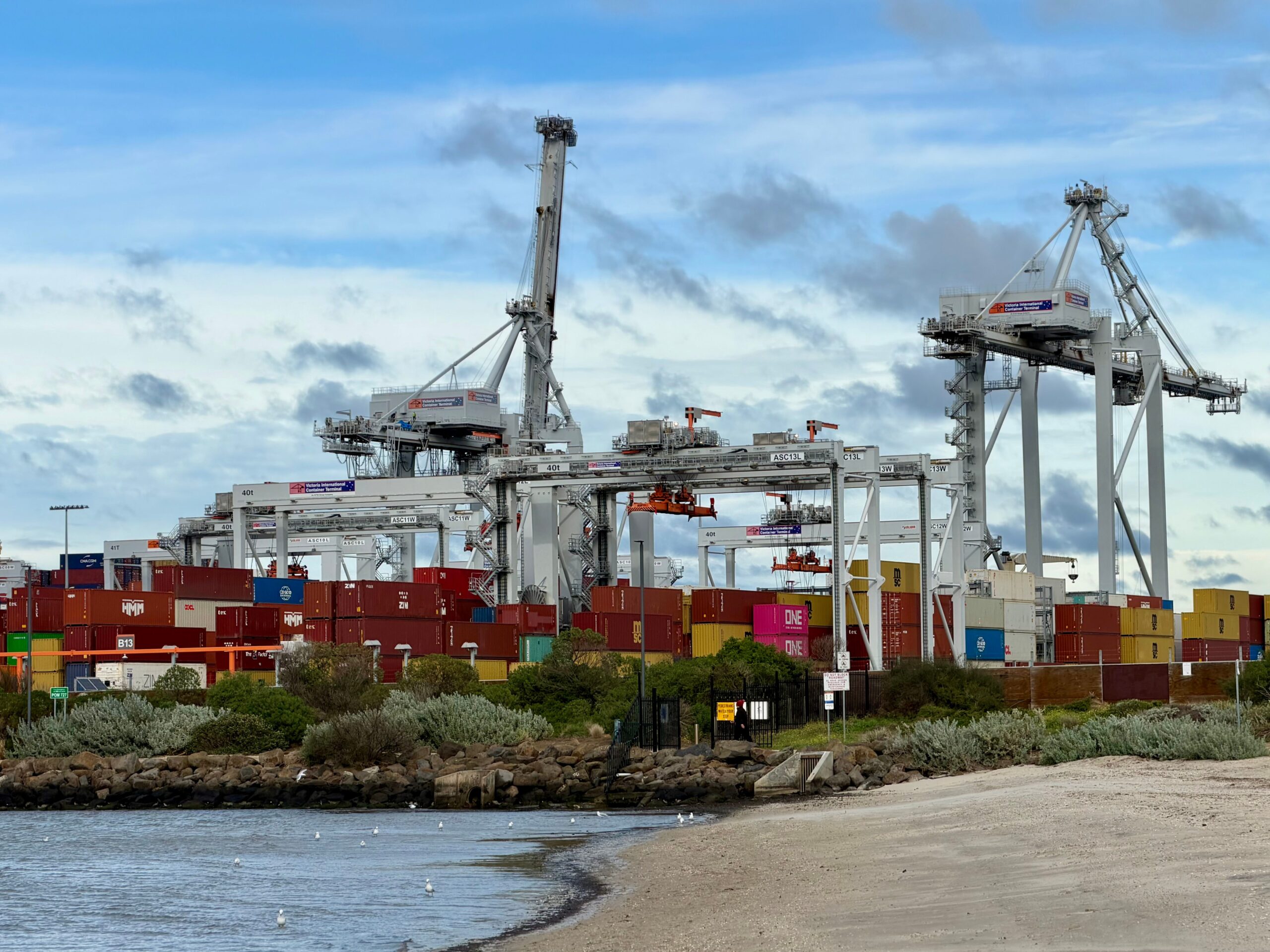
Separately, an earlier Colombo terminal expansion involved additional automated container handling capacity. That was a physical terminal equipment development, not part of the newly announced $17 million Maritime Single Window and Port Community System programme. The grant addresses shared data and documentary workflows, whereas quay cranes and yard equipment determine the physical movement of containers through terminals.
Before any performance change can be measured, the project needs implementation arrangements, interface design, technical integration and testing with the organisations that will use the systems. No commissioning date, supplier or post-deployment operating figures have been announced. The 16 October development is therefore a grant commitment to modernise shared maritime information systems, with the effects on clearance and vessel operations still to be established.