IN Brief:
- Paradip Port’s MCHP loaded 140,022 tonnes onto two vessels on 10 October, 2,522 tonnes above its 2022 record.
- The terminal’s rail unloading, conveyors, stockyard machinery and shiploaders connect inland coal flows with maritime cargo operations.
- The single-day peak does not establish sustained annual throughput, lower vessel turnaround or independently measured productivity gains.
Paradip Port Authority‘s Mechanised Coal Handling Plant (MCHP) loaded 140,022 tonnes of coal onto two vessels on 10 October 2026, setting a new single-day record for the facility on India’s east coast. The port said the cargo was loaded aboard MV APJ Indrani and MV Ripley Pinnacle. The result exceeded the plant’s previous best of 137,500 tonnes, established on 29 May 2022, and provides a new operating benchmark for a specialist bulk terminal that links industrial freight arriving by rail with seagoing ships.
The increase amounts to 2,522 tonnes, or approximately 1.8% above the earlier record. The gain is modest relative to the earlier record and represents one day’s output rather than a documented increase in sustained capacity. Neither the announcement nor the port’s published infrastructure information establishes that the plant can now sustain the same loading rate every day. A peak achieved across two vessels is useful evidence of what the operation handled on one date, but it is not a substitute for monthly throughput, vessel turnaround or equipment-availability data.
The previous record was achieved during loading of MV Arethousa and MV ISL Star. The comparison therefore concerns the same broad type of activity and two-vessel operation, rather than an exceptional volume loaded into a single ship. The port has not disclosed the individual tonnage loaded onto each vessel in October, nor has it published an hour-by-hour breakdown of the new record. Without those details, the figure should not be converted into a claimed loading rate for either shiploader or used to infer reductions in berth occupancy.
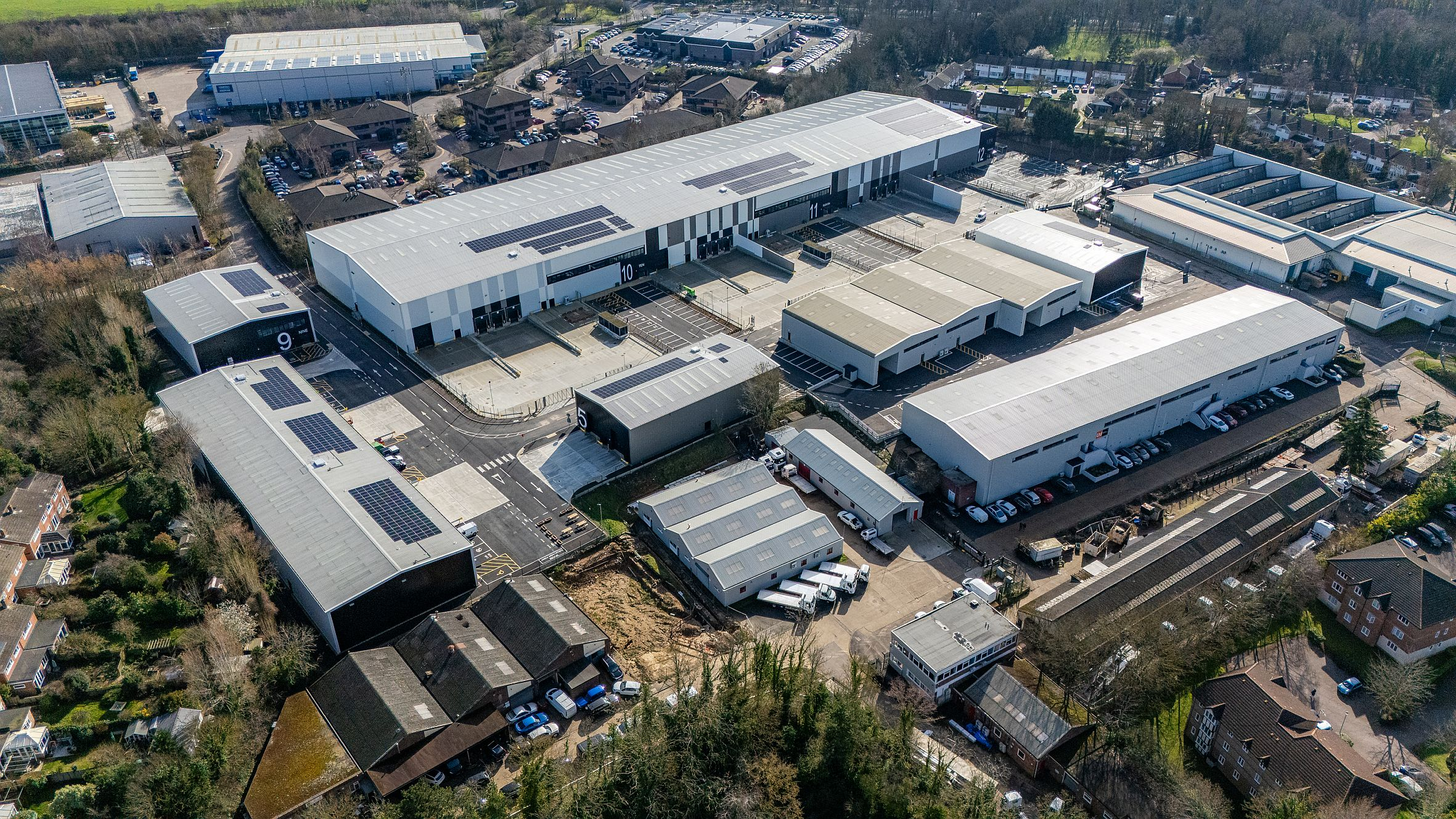
Paradip’s mechanised coal facility relies on rail unloading, stockyard handling, conveyors and ship loaders working in sequence. According to the port authority’s published specifications, the MCHP is designed for 42 million tonnes of thermal coal annually and incorporates stackers, reclaimers, conveyors and shiploaders rated at 4,000 tonnes per hour. The plant also has a mechanised rail unloading system for bottom-opening bulk wagons operating in a merry-go-round arrangement. These facilities form a connected movement of material from train arrival and stockyard management to delivery at the vessel’s hold.
Rail unloading releases inbound coal into the terminal’s handling system, conveyors transfer the material, stackers place it in the stockyard and reclaimers recover it for onward movement towards the quay. Shiploaders then discharge the coal into waiting vessels. The rate achieved at any point depends on both upstream material availability and downstream readiness. Even when an individual machine has spare rated capacity, interruptions elsewhere in the sequence can restrict the amount that reaches the ship.
The port authority reports that Paradip operates approximately 84 kilometres of railway track, including 19 full-rake and five half-rake sidings. Coal reaches the terminal in large consignments, and the sidings provide areas to receive, unload and marshal wagons while maintaining access for subsequent movements. Railway capacity is not itself proof of a particular October loading rate, but the extent of the installed connections illustrates why a coal terminal’s waterside output cannot sensibly be assessed in isolation from its landside operation.
The plant’s published annual design capacity refers to potential throughput under specified conditions, rather than actual annual volumes. Forty-two million tonnes per annum is a planning and equipment-capability measure, while 140,022 tonnes is the amount actually loaded on a specific day. Multiplying the daily record across a calendar year would produce an artificial forecast that ignores maintenance, vessel availability, stockyard conditions, weather and changing customer demand. Actual annual tonnage needs to be established from completed traffic records, not extrapolated from the strongest observed operating day.
Paradip is a major industrial gateway for eastern and central India, handling a wide mix of cargo beyond coal, including iron ore, petroleum products, steel-related materials, fertilisers and other bulk commodities. In the 2025–26 financial year the port recorded 156.45 million tonnes of total cargo, compared with 150.41 million tonnes a year earlier, an increase of approximately 4%. Those are port-wide figures covering multiple terminals and commodity types; they must not be presented as coal throughput or assigned to the MCHP alone.
Reliable bulk handling can influence vessel scheduling and route selection, although the announcement contains no measured savings in freight costs or waiting time. A terminal’s ability to coordinate rail unloading, stockyard equipment and vessel loading can help reduce avoidable delays when supporting infrastructure and shipping schedules are available. Assessing any sustained commercial benefit would require evidence such as average tonnes handled per berth-hour, vessel turnaround, unplanned downtime and how performance varies across different operating conditions.
Environmental and safety considerations also sit within the operating assessment. Large volumes of coal require management of dust, runoff, moving equipment and vessel-loading arrangements. The port authority describes environmental monitoring and safety arrangements across its operations, but has not published measurements linking the 10 October loading record with changed emissions, dust levels or energy use. It would therefore be premature to attribute specific environmental gains or losses to this performance milestone without corresponding operating evidence.
The 10 October record gives a specific measured result for the MCHP’s rail-to-ship handling chain. It updates a record that had stood for more than four years and places another operational data point alongside the port’s wider traffic growth. Repeated vessel calls and sustained reporting periods will establish whether higher loading rates recur, with equipment availability and vessel turnaround needed to distinguish a daily peak from a lasting operational improvement.