IN Brief:
- The Pacific Maritime Association reports little progress in the latest talks with ILWU Local 26, which represents about 250 security watchmen at Los Angeles and Long Beach.
- The current extension ends at 12:01am Pacific time on Saturday 21 November; a strike has been authorised but has not begun.
- A further negotiation session is scheduled for Friday 20 November, while the union disputes the employers’ account of the contract offer and talks.
Contract negotiations between the Pacific Maritime Association (PMA) and International Longshore and Warehouse Union (ILWU) Local 26 have stalled ahead of a possible stoppage at the ports of Los Angeles and Long Beach. The employers’ association reported little progress at talks held on 17 November, while the union president said employers had not answered a counterproposal. Approximately 250 security watchmen are covered by the dispute. Terminal operations were continuing as of 19 November, with no strike reported.
The existing contract extension is due to expire at 12:01am Pacific time on Saturday 21 November. Both parties are scheduled to meet again on Friday 20 November, after an earlier agreement extended negotiations through 20 November. Local 26 members have authorised strike action, but the vote does not establish that a stoppage will begin. An agreement, another extension, or a work stoppage remains possible after the next bargaining session.
Watchmen verify credentials at terminal access points, patrol restricted areas, and report security and safety incidents. These duties differ from ship-to-shore crane operation or container stacking, but are connected to both. Truck drivers, workers, and contractors must pass through controlled access points before cargo can be collected, handled, or released. An interruption at a gate can therefore affect freight movements even when other employees remain available to work.
PMA identifies six container terminals employing Local 26 watchmen, including facilities that handle approximately 85% of Long Beach cargo and 33% of Los Angeles cargo. Local 26 president Luisa Gratz has identified eight affected terminal locations. The published counts are not directly reconciled, and the cargo percentages use different port totals rather than a single combined denominator. They describe the share of existing traffic associated with affected facilities, not the percentage of cargo certain to be delayed if workers strike.
The parties also dispute the substance of the offer. PMA says its latest proposal includes a one-off $3,200 bonus, a wage package that would raise average full-time annual earnings from more than $170,000 to $198,000, and continued employer-funded healthcare with enhanced pensions. Gratz challenged the accuracy of those pay figures in comments published on 19 November and said the union had counterproposed without receiving an employer response. Those are competing bargaining accounts, not agreed contractual terms.
Thousands of longshore workers, marine clerks, and foremen are employed under separate labour agreements and are not direct parties to the Local 26 dispute. PMA expects those employees to honour any watchmen picket line, potentially widening a gate-security stoppage to vessel loading, discharge, yard work, and documentation. That response has not been confirmed for every affected terminal or workforce group. The operational extent of any action will depend on actual picketing, access restrictions, and the decisions made by terminal operators and other employees.
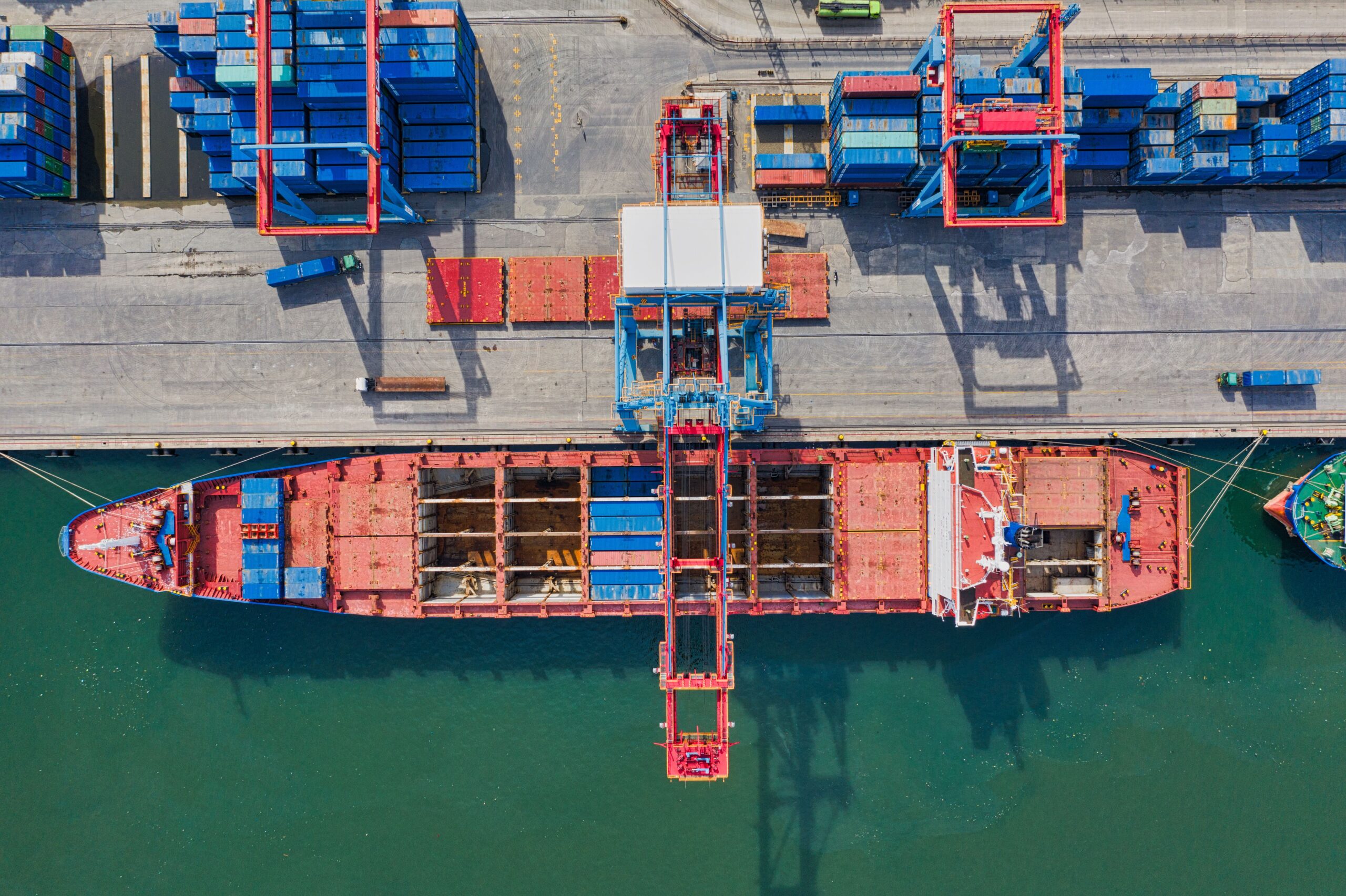
Container imports move through several linked processes before delivery inland. After a ship is discharged, a box is placed in the terminal yard, cleared through relevant release procedures, and collected by an authorised haulier or rail operator. A closure or restriction at the truck gate can delay collection even when the container is physically present and its documents are ready. Stored containers then occupy yard positions while missed collection appointments affect drivers, chassis, and the next planned movements.
Exports face constraints tied to vessel cut-offs and receiving windows. A loaded container arriving after a terminal stops accepting freight may miss the intended sailing, requiring another booking, storage, or transport arrangement. Those changes can affect industrial components, agricultural produce, and refrigerated shipments where delivery or temperature control has defined limits. The duration of a restriction and the ability to use another facility would determine the consequences for individual consignments; no confirmed number of delayed containers exists.
The two ports are a principal connection between Pacific shipping services and inland road and rail distribution. Rail terminals, hauliers, and warehouses plan labour and equipment around vessel arrivals, container release times, and train departures. Cargo already collected before any interruption can continue along its inland route, while boxes still on vessels or inside a restricted terminal may face a further delay. Service recovery also depends on berth, crane, yard, and truck appointment capacity after access resumes.
PMA cites an economic assessment that associated the six identified terminals with around 6.2 million containers handled during 2025 and substantial employment and economic activity linked to that trade. These are historical figures, not a measured loss from a strike that has not occurred. The assessment cannot be converted into a reliable daily disruption cost without assumptions about the period of closure, cargo diverted elsewhere, and the time needed to clear accumulated movements.
Federal mediators have assisted talks since the previous watchmen agreement expired in July 2025, and successive temporary extensions have kept work proceeding while a replacement contract is negotiated. PMA’s 18 November account says Local 26 has resisted another extension; the union disputes other elements of the employers’ description of the negotiations. Neither side has confirmed a settlement, a further extension, or a date on which terminal operations will stop. The next scheduled meeting is Friday 20 November.
The 21 November deadline follows several postponements rather than an announced closure of the port complex. Any change to terminal access, vessel handling, or truck and rail collections must be established from subsequent employer, union, and terminal notices. The next verifiable development will be the outcome of Friday’s negotiations and any subsequent notice about the status of the contract or terminal operations. Until those decisions are confirmed, cargo movements are continuing under the existing extension.