IN Brief:
- The development covers four deepwater container berths and a separate 400-metre barge berth.
- Hai Phong authorities put the project investment at VND24.845 trillion and its designed capacity at 4.5 million TEU annually.
- The first two berths are scheduled for completion in 2028, with the rest to follow in later phases.
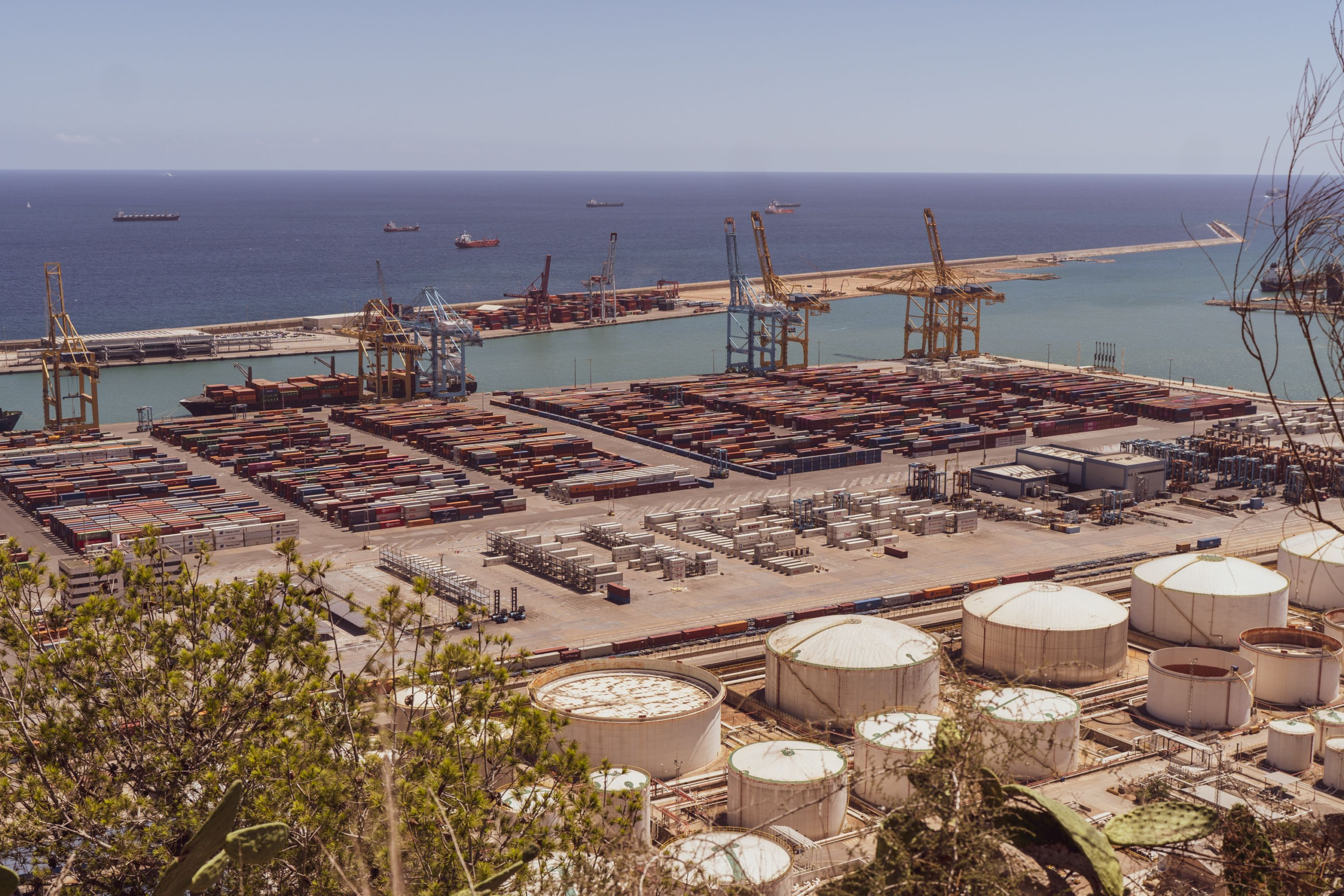
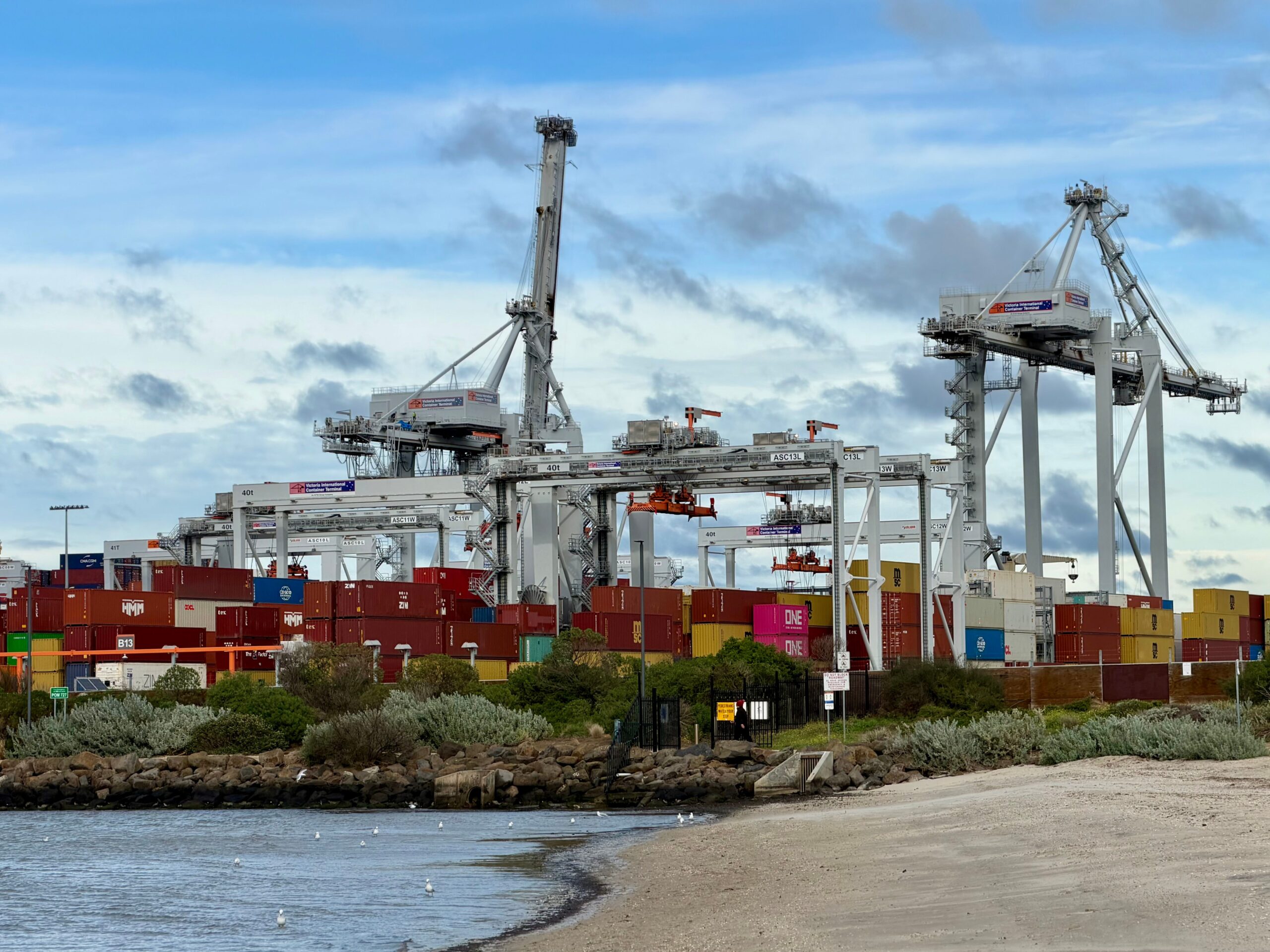
PSA International and its Vietnamese partner have broken ground on four deepwater container berths at Lach Huyen Port in Hai Phong, advancing a major investment in northern Vietnam’s maritime freight infrastructure. The ceremony on 23 November follows the July agreement between PSA Vietnam and Lach Huyen International Logistics & Industrial Park to jointly develop and operate the new facilities.
The development, covering berths nine to twelve, is being undertaken by their joint venture, Lach Huyen Port Investment Joint Stock Company. Hai Phong’s authorities have put the investment at VND24.845 trillion, with the project occupying around 146.2 hectares of land and water. Plans include 1,800 metres of container quay, alongside a separate 400-metre berth for barges.
The deepwater berths are designed for container ships ranging from 12,000 to 18,000 twenty-foot equivalent units (TEU). The municipal government identifies an annual design capacity of 4.5 million TEU for the development, consistent with the figure published by PSA when the agreement was signed in July. The first two berths are targeted for completion in 2028, with the others to be developed subsequently.
The new terminal will serve a manufacturing region encompassing electronics, machinery, electrical equipment, and automotive components. Production facilities around Hai Phong and Hanoi require logistics services for incoming materials and components as well as the distribution of finished goods to international customers. The location of available container gateways affects the inland journeys associated with both movements.
Berths capable of receiving larger ships allow carriers to consider direct services that might otherwise require cargo to be transferred at an intermediate port. The transshipment process adds a vessel connection and additional container handling, with schedules needing to accommodate the arrival and departure times of the respective services. A direct connection can remove that intermediate stage, but establishing one requires sufficient freight demand to justify a call within the carrier’s wider network.
The dimensions of the berths also affect the types of ships that can be accommodated simultaneously. A large container vessel requires adequate quay length, navigable water depth, and suitable mooring and crane infrastructure. A terminal receiving several vessel classes must allocate space in a way that reflects the ships’ dimensions, anticipated container exchanges, and planned arrival and departure windows.
The separate barge berth gives the new development an additional interface with inland water transport. Containers can be consolidated into barge loads and transferred between the deepwater gateway and suitable inland handling locations. Manufacturers situated near navigable waterways or logistics facilities served by barges may consequently have alternatives to moving the entire shipment by road.
Those alternatives depend on the availability of regular barge services and suitable terminal facilities at the inland end of the journey. Each additional transfer incurs handling expenditure and takes time. Freight planners must consider the total journey cost, service frequency, and reliability of the connections when choosing between inland transport modes.
Container capacity at the new deepwater berths must be supported by the infrastructure behind the quay. Discharged containers require transport into storage yards, where their location and customs status must remain identifiable until they are collected or transferred to another service. The amount of time they remain in the yard influences how much space is available for subsequent vessels, even when the cranes and berths have capacity to handle more cargo.
The development’s location within the wider Xuan Cau industrial and non-tariff zone creates scope for connecting terminal operations with nearby industrial and logistics facilities. Warehousing and consolidation can be coordinated with maritime departures and customs procedures, subject to the operating arrangements established for the individual facilities. The necessary inland transport links must also accommodate the additional container volumes as the terminal’s development progresses.
PSA’s investment forms part of its wider regional port development programme. In Singapore, the operator recently began construction of the second phase of Tuas Port, adding infrastructure at a major transshipment hub. The Lach Huyen project serves a different role, extending gateway capacity close to the manufacturing and export activities of northern Vietnam.
Construction of the Vietnamese terminal will proceed in phases, so the total designed capacity will not be available when the first two berths are completed. The initial development must also be equipped and commissioned before commercial services can use it. The 2028 completion target applies to those first berths, with the timing of the remaining works determining when the full four-berth development can support its projected container handling volumes.