IN Brief:
- Southgate Orbit tracks reusable handling assets within warehouses and defined local operating zones.
- Southgate Atlas extends indoor and outdoor shipment visibility across 179 countries.
- Optional sensors monitor temperature, humidity, shock, tampering, and movements outside authorised areas.
Southgate Global has launched an asset-tracking platform combining local warehouse visibility with international shipment monitoring, allowing reusable equipment and temperature-sensitive goods to be managed through the same service.
The system brings together tracking devices, installation, configuration, cloud dashboards, alerts, and ongoing reporting. Optional sensors can monitor temperature, humidity, shock, and tampering in addition to location, extending the platform beyond asset recovery into product-condition control.
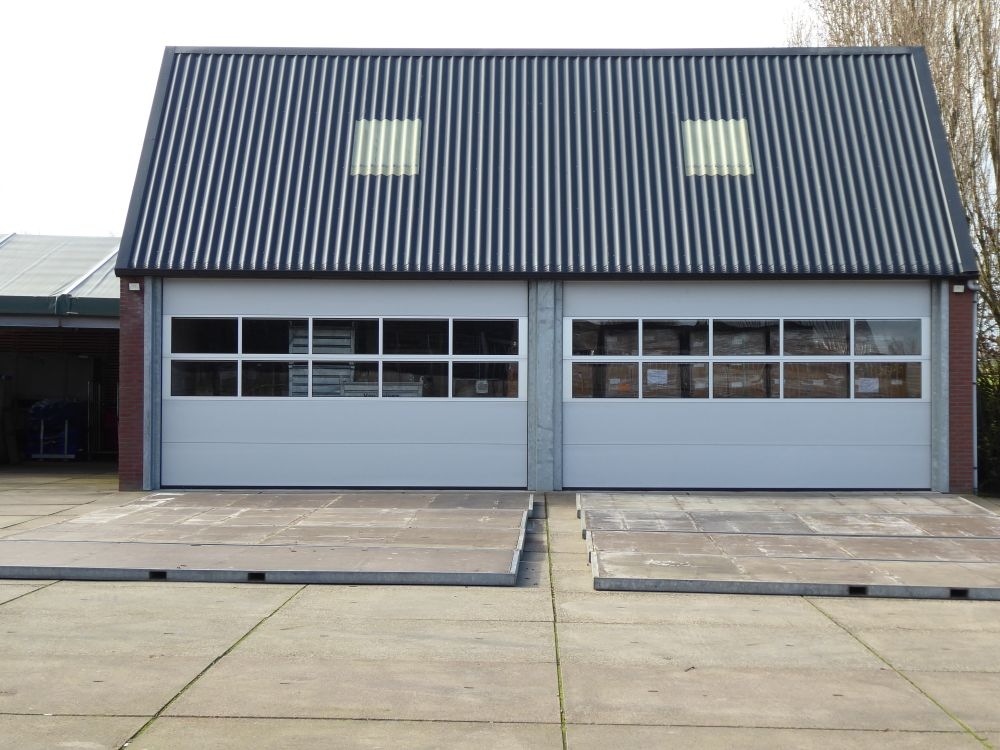
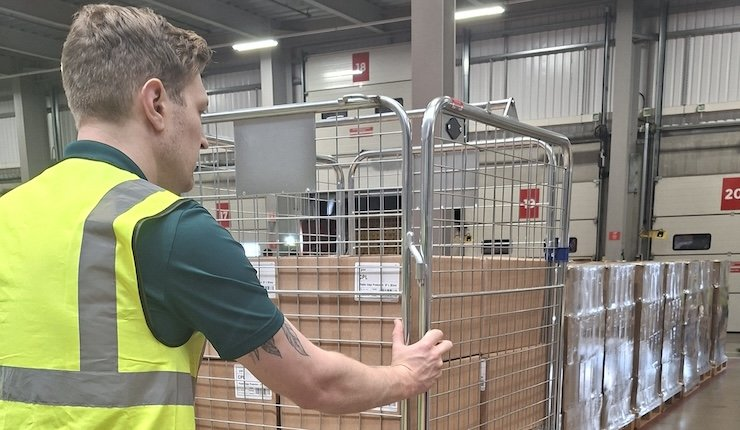
Southgate Orbit covers defined environments such as warehouses, wholesale hubs, and distribution centres, using high-accuracy Bluetooth technology to locate totes, roll cages, trolleys, and other reusable handling equipment. Alerts can be generated when an asset moves outside an authorised zone.
Southgate Atlas supports movements between sites, countries, and customer networks, providing indoor and outdoor tracking across 179 countries. The service is intended for medicines, food, industrial goods, and other consignments whose location and environmental history need to remain visible after leaving the warehouse.
Reusable handling assets carry less individual value than many of the products moving inside them, yet shortages can interrupt picking, replenishment, vehicle loading, or customer collections. Businesses frequently respond by buying additional cages or totes without establishing whether existing equipment has been lost, retained by a customer, or left idle elsewhere.
Location histories can reveal where assets accumulate and how long they remain outside productive use. Equipment may be available across the wider network while one site experiences a local shortage because return flows and repositioning have not been managed effectively.
Condition monitoring adds a different level of control for pharmaceutical shipments, where a temperature excursion, impact, or tamper event can affect product release even when the consignment reaches the correct destination on time. Location establishes where the shipment travelled; telemetry helps determine what happened to it during the journey.
Alerts sent while goods remain in transit give operators an opportunity to check refrigeration, change equipment, divert the vehicle, or arrange an emergency handover. Information discovered after delivery may support investigation, but it can no longer prevent the exposure.
The usefulness of that warning depends on escalation procedures and decision rights. A dashboard notification has little operational value when no authorised person can stop, inspect, quarantine, or redirect the shipment.
More data increases the validation burden
Sensor calibration, battery life, device placement, communications coverage, and timestamp accuracy all affect whether condition data can be trusted. A sensor located near a door or cooling outlet may record conditions which do not represent the product at the centre of the load.
Temporary communication loss must also be distinguished from a missing asset, while a short threshold deviation may require a different response from a prolonged excursion. Quality teams need agreed rules covering event severity, investigation, and product disposition before alerts begin arriving.
Integration with warehouse, transport, enterprise resource planning, and quality-management systems will determine whether the information reaches routine workflows. Staff required to compare several separate screens are more likely to miss the connection between a delayed vehicle, a temperature alert, and the inventory batch recorded in another application.
Southgate’s full-service approach may reduce the implementation burden for businesses without specialist Internet of Things teams, since the company will scope requirements, install devices, configure the platform, and support reporting. Clear governance will still be needed around data ownership, retention, customer access, and responsibility when an asset moves outside the contracted network.
International pharmaceutical distribution introduces country-specific communications, customs, product, and data requirements which cannot be removed by global tracking coverage. A common platform can nevertheless reduce fragmentation when shipments pass through several carriers, depots, and national systems.
Traceability has become more prominent as medicine shortages expose the fragility of concentrated production and distribution. Work on UK-US cooperation around pharmaceutical manufacturing and shortage planning reflects the same pressure to identify vulnerable sources and improve visibility before supply fails.
Tracking cannot create additional manufacturing capacity, but it can reduce losses, reveal prolonged dwell, and distinguish true scarcity from inventory stranded at an intermediate point. Those distinctions become valuable when limited stock must be allocated across hospitals, wholesalers, and national markets.
Reusable packaging also depends on sufficient circulation to justify its production, cleaning, and repositioning footprint. An asset completing too few cycles may deliver little environmental benefit, whereas tracking can improve utilisation and reduce unnecessary replacement purchases.
Pharmaceutical businesses will need to decide which data are used for routine operational control and which support regulated quality decisions. Information influencing product release may require validation, audit trails, access controls, and documented change management beyond the standard configuration of a commercial asset platform.
Device recovery introduces another practical consideration because the tracker itself becomes a reusable asset. Processes are needed to remove, recharge, inspect, reassign, and account for devices after delivery, particularly where customers or healthcare sites are outside the operator’s direct control.
Southgate Orbit and Atlas connect two problems that are commonly managed separately: the disappearance of low-value handling equipment and the protection of high-value sensitive goods. Both depend on accurate identity, location, status, and timely intervention.
Operational performance will be visible through lower asset purchases, shorter dwell, fewer manual searches, faster excursion response, and reduced product loss. A more detailed map is useful only when the movement and condition data alter what happens next.