IN Brief:
- Air Logistics volume rose 10% year on year in the third quarter, compared with 3% in the second quarter.
- Quarterly Air Logistics EBIT increased 84% to CHF169 million; 1.7 million tonnes refers to January–September volume.
- Kuehne+Nagel raised its 2026 recurring EBIT guidance to CHF1.5 billion–CHF1.6 billion, which remains a forecast.
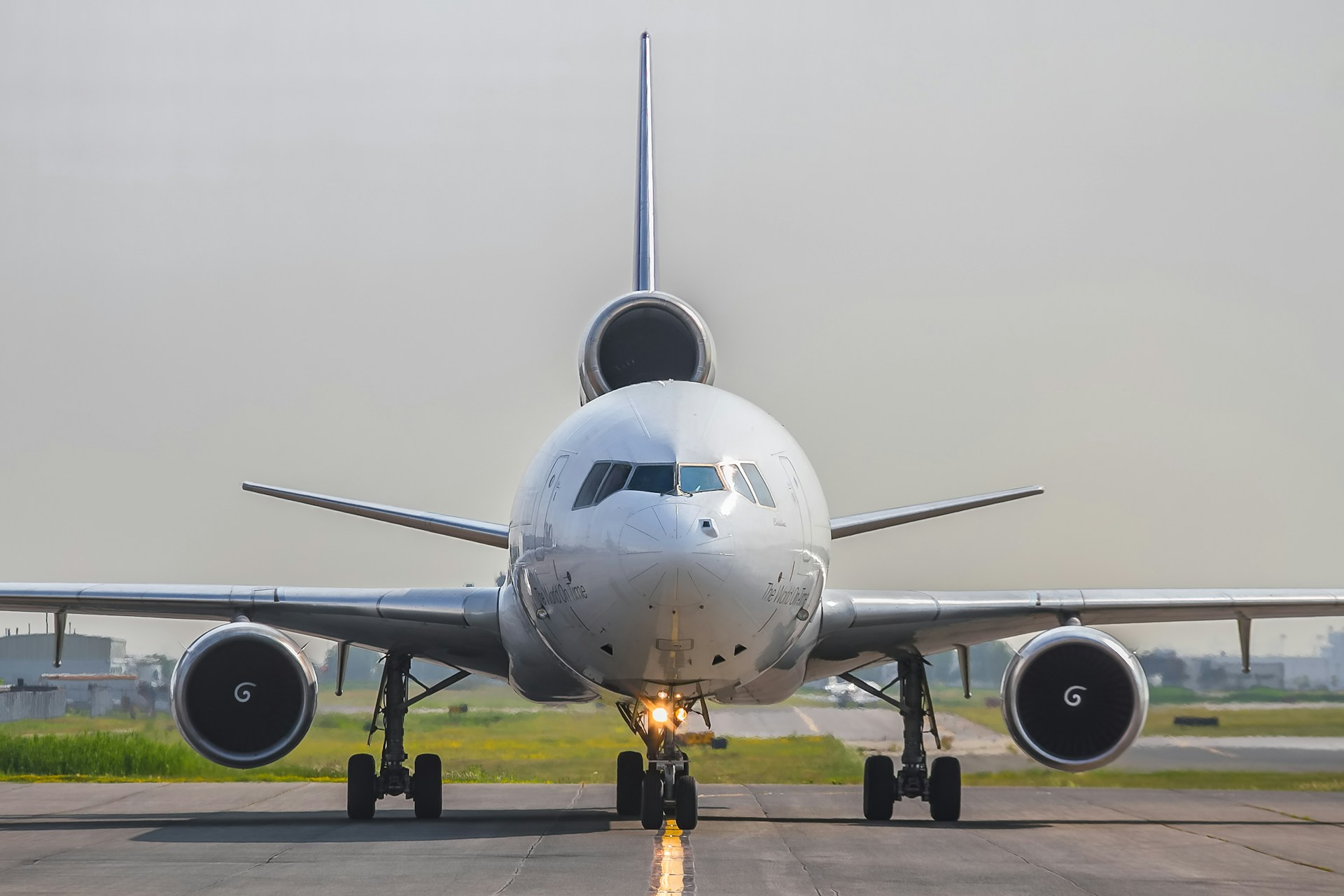
Kuehne+Nagel increased Air Logistics earnings before interest and tax by 84% to CHF169 million in the third quarter of 2026, as higher volumes of technology freight supported demand for international air cargo. Air freight volumes grew 10% year on year, compared with 3% growth in the preceding quarter, while the Swiss group raised its forecast for recurring operating earnings across the full financial year.
Air Logistics net turnover reached CHF2.4 billion for July–September, 38% above the comparable quarter in 2025, and the division reported an operating conversion rate of about 32%. The company cited shipments associated with cloud infrastructure and semiconductor customers among the drivers of growth. Separately, its 1.7 million tonnes of air freight represents the first nine months of 2026; it is not a three-month tonnage figure and should not be presented alongside the quarterly growth rate as though it were.
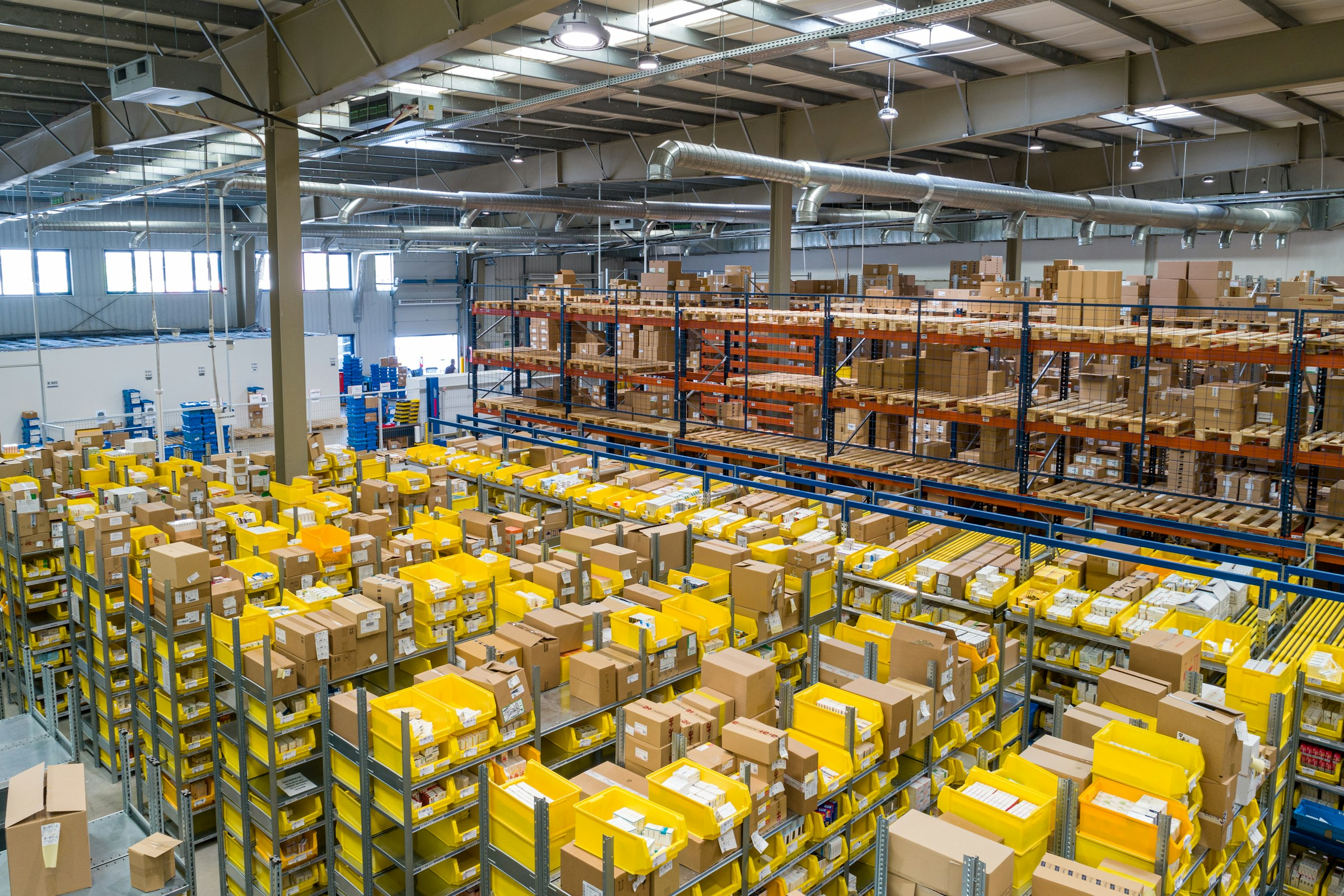
Deliveries for cloud computing programmes can include servers, networking equipment and associated components moving between factories, integrators and deployment sites. Semiconductor supply chains involve different handling requirements depending on whether the cargo consists of finished chips, production equipment or materials. Kuehne+Nagel has identified both markets as drivers but has not published their individual shipment volumes or disclosed what percentage of the Air Logistics earnings increase came from each.
The commercial case for flying such goods depends on shipment value, required arrival time and the cost of disruption. An urgent production component or time-sensitive data centre installation may justify a higher freight charge than ocean transport, although the international flight is only one stage of delivery. Airport acceptance, security procedures, customs release, cargo protection and the final inland movement still govern when material reaches a plant or installation site. The financial results do not identify the proportion shipped on expedited services.
Alongside demand for technology products, the group has expanded specialist healthcare logistics. Its Frankfurt healthcare facility, opened in September, supports handling of temperature-sensitive products with controls that differ from general air freight. The quarterly disclosure does not allocate the air division’s increased profitability between semiconductor work, cloud infrastructure shipments, pharmaceuticals and other freight categories, so no separate contribution should be inferred.
Across all operating divisions, group net turnover increased 22% to approximately CHF7.4 billion during the quarter, while EBIT rose 53% to CHF435 million and earnings increased 53% to CHF316 million. Those figures describe the whole company, not its Air Logistics business. The group’s net turnover and EBIT were also influenced by sea, road and contract logistics, making it misleading to attribute every increase to technology air cargo alone.
Sea Logistics returned to volume growth, with containers up 5% in the quarter and EBIT up 55% to CHF172 million. The company attributed progress to share gains, including Asia outbound and transatlantic business. Net turnover of roughly CHF2.7 billion was 20% higher year on year. Its stated 3.3 million TEU handled by the end of September describes the cumulative nine-month period, as does the published air freight tonnage.
Road Logistics reported quarterly net turnover of about CHF1 billion and EBIT of CHF28 million, increases of 14% and 40% respectively. Contract Logistics reported turnover of around CHF1.3 billion and EBIT of CHF66 million, increases of 9% and 7%. New business implementation can require recruitment, systems configuration and operating investment before an account reaches a steady state, limiting what can be concluded from headline turnover growth about individual contract profitability.
Kuehne+Nagel now forecasts recurring EBIT of CHF1.5 billion–CHF1.6 billion for 2026, compared with its previous CHF1.35 billion–CHF1.55 billion range. Management expects the cost reduction programme to produce gross savings exceeding CHF150 million during 2026, while separate productivity benefits associated with AI are anticipated from 2027 onwards. These are management expectations rather than realised fourth-quarter performance, and recurring EBIT guidance is not identical to unadjusted reported profit.
The company enters the final quarter with stronger profitability, although freight demand, rates and the balance of customer shipments can change quickly. Its results indicate that cloud infrastructure and semiconductor supply chains were important contributors to air freight volume growth, but the specific returns from those verticals have not been disclosed. The remaining test of the raised outlook will be the full-year recurring EBIT figure after the October–December operating period, rather than a projection made by simply extending the third-quarter growth rate.