IN Brief:
- Wildfires have interrupted sections of the A63 and rail services connecting Bordeaux, Bayonne, and Spain.
- DB Cargo France has been cancelling approximately five freight trains a day on the affected route.
- Diversions are placing additional pressure on road capacity, legal driving hours, terminals, warehouses, ports, and delivery schedules.
A63 Atlantique has closed sections of the main motorway connecting south-west France with Spain as wildfires disrupt both road and rail freight along the Atlantic corridor.
Restrictions between Cestas and Mios, south of Bordeaux, have pushed southbound vehicles towards alternative routes using the A64 and A65 from Bayonne. Access points within the affected area have also been closed while emergency teams contend with fire, smoke, changing wind conditions, and the need to keep routes clear for response vehicles.
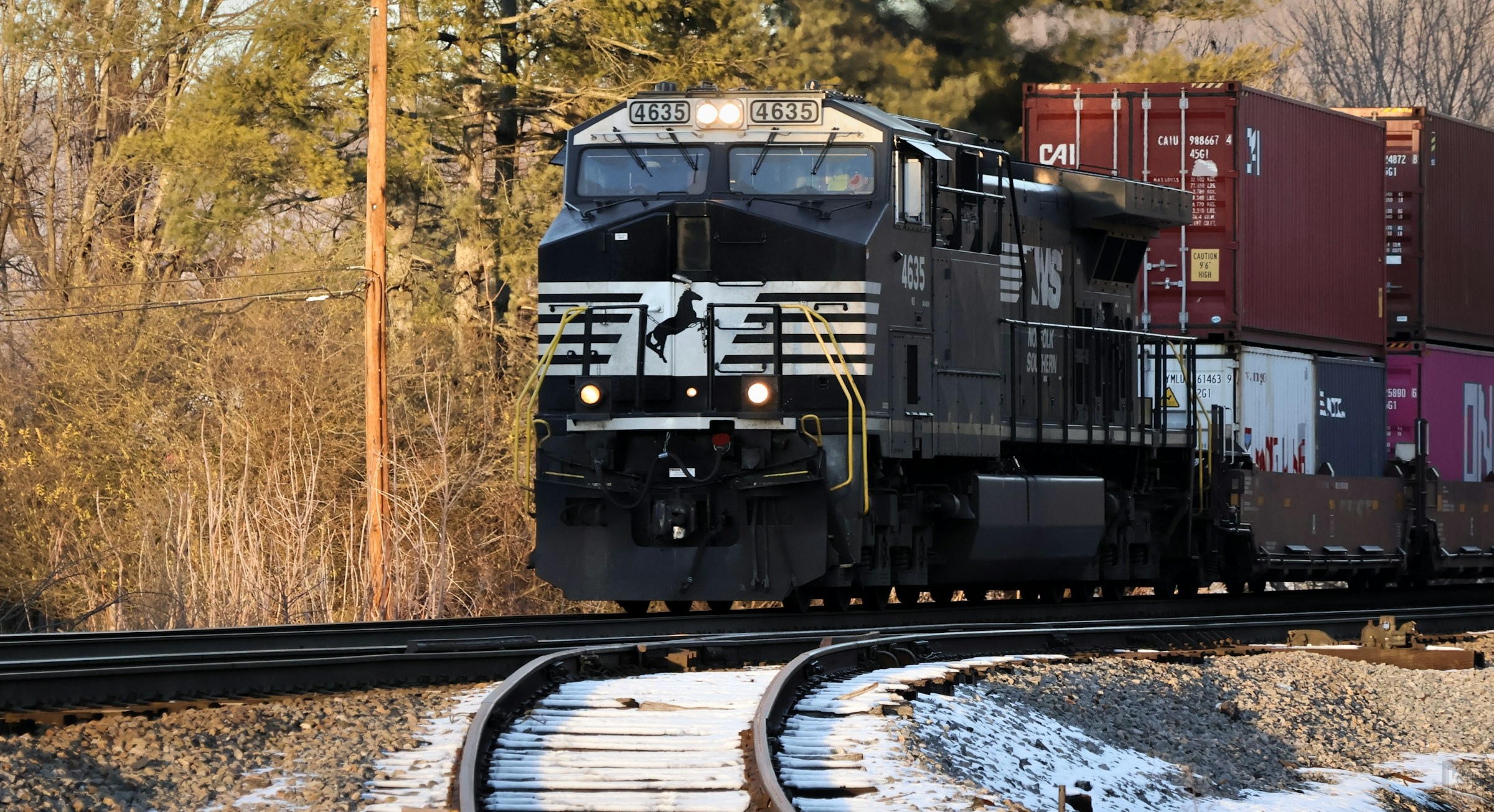
Rail movements between Bordeaux, Bayonne, and the Spanish border have been suspended at the same time, removing an important intermodal option while motorway capacity is constrained. DB Cargo France has been cancelling approximately five freight trains a day, with no dependable restart available while the fire and its effects on infrastructure remain unresolved.
Around 10,000 heavy goods vehicles travel daily in both directions on the A63 between Spain and the Bordeaux area. Even a limited closure therefore redirects substantial volumes towards longer inland routes whose junctions, parking areas, toll facilities, and service stations were not designed to absorb the full corridor flow.
Queues around Bayonne have extended for several kilometres, while carriers farther north have been forced to replan journeys after vehicles were already in transit. Additional mileage, fuel consumption, missed bookings, and reduced remaining driving time accumulate rapidly once a vehicle leaves its planned route.
Food, pharmaceuticals, automotive components, packaging, retail inventory, chemicals, and industrial materials all move through the France–Iberia corridor. Some loads can absorb an additional day in transit, whereas others are tied to production slots, vessel departures, shelf life, or controlled-temperature limits.
Road and rail disruption reinforce each other
Suspended rail services cannot simply be transferred to road, since additional tractors, trailers, drivers, permits, and loading slots must be found at short notice. Containers and swap bodies may also be positioned at terminals whose operating plans were built around train departures rather than emergency road collections.
Rail operators face a prolonged recovery sequence even after the line is declared safe. Locomotives, wagons, train paths, and crews can be left on the wrong side of the closure, while cancelled services compete with the normal timetable for capacity once movements resume.
Road fleets develop similar imbalances as vehicles arrive late at factories, ports, warehouses, and consolidation centres, affecting the next collection assigned to each tractor and driver. A diversion on one day can remain visible in transport plans for the rest of the week.
Cross-Channel freight continuing towards the UK may miss ferry or rail departures before encountering separate queue-management measures around the Short Straits. The limitations of Operation Brock as a long-term response to concentrated freight disruption become more pronounced when traffic arrives from continental corridors in irregular peaks.
Reopening will not restore capacity immediately
Fire-related closures are difficult to plan around because neither their duration nor the final condition of the route can be established in advance. Roads may reopen under restrictions and close again when smoke reduces visibility, wind changes direction, or emergency services require access.
Rail infrastructure must be inspected after the immediate threat has passed, with signalling equipment, power supplies, telecommunications, track, earthworks, bridges, and lineside assets all potentially exposed. Commercial freight cannot resume solely because flames have moved away from the track.
A route may consequently be open while operating well below normal capacity. Speed restrictions, accumulated queues, reduced train paths, damaged facilities, and continuing emergency movements can prevent schedules from recovering for several days.
Factories and warehouses can reduce secondary congestion by extending receiving hours, protecting slots for constrained materials, accepting revised vehicle registrations, and prioritising loads according to production exposure. Carriers need equally rapid decisions on whether vehicles should divert, hold, return, or transfer mode before usable driving time is consumed in queues.
Location data supports those decisions only when it is connected with order status, inventory, alternative routes, delivery tolerance, and clear authority to alter the plan. A map showing a stationary trailer near Bayonne does not protect production unless the affected load and available options are understood.
Diversions also create new concentrations, as secure parking, fuel stations, driver facilities, border controls, and motorway junctions absorb traffic displaced from the main route. Secondary bottlenecks can remain after the original closure has eased.
The Atlantic corridor will recover gradually rather than reset at the moment a road or railway reopens. Cancelled trains, displaced vehicles, missed sailings, driver-hours restrictions, and accumulated warehouse appointments will continue to influence capacity long after the immediate fire front has moved on.