IN Brief:
- Philippine Seven is implementing RELEX forecasting and replenishment across 27 distribution centres.
- The programme will centralise demand forecasting and generate replenishment recommendations at distribution-centre level.
- genieX is supporting implementation through project management, business consultancy and local-market expertise.
Philippine Seven Corporation, the exclusive operator of 7-Eleven stores in the Philippines, is introducing RELEX forecasting and replenishment across 27 distribution centres as it replaces spreadsheet-led planning with a more automated inventory process.
The implementation is being delivered with local consultancy genieX and is intended to create a common planning layer across the distribution network. RELEX says the system will combine multiple data sources, account for seasonality and local demand fluctuations, and generate distribution-centre-level replenishment recommendations.
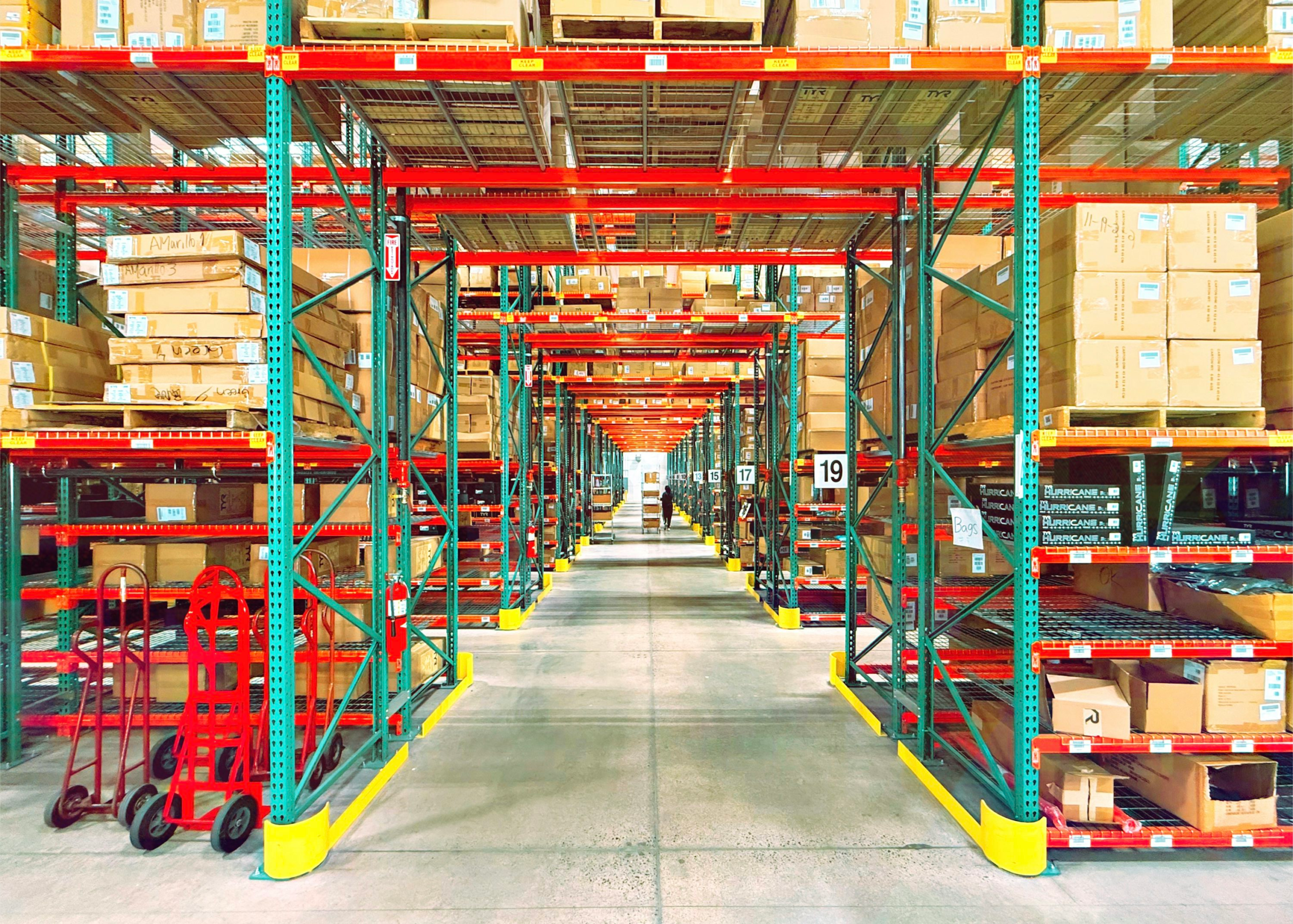
Philippine Seven manages a nationwide convenience network that depends on frequent replenishment, relatively small delivery quantities and fast response to local demand. Its distribution centres sit between thousands of stores and a broad supplier base, making forecast accuracy, stock positioning and delivery timing central to product availability.
Spreadsheet-based processes can support local planning, but they become harder to standardise as the number of product-location combinations grows. Promotions, seasonal shifts, regional demand patterns, supplier lead times and stock constraints all have to be reconciled repeatedly, often across separate files maintained by different teams.
The RELEX rollout moves more of that routine calculation into a shared system. Instead of planners building and reconciling forecasts independently, the platform is intended to generate demand projections and replenishment recommendations at distribution-centre level, giving teams a more consistent view of expected store demand and the inventory required to support it.
Supplier collaboration forms part of the same process. A forecast has limited value if upstream deliveries are late, minimum-order quantities are misaligned with demand or inventory is held in the wrong part of the network. Bringing supplier and distribution-centre information into the same planning environment should make those constraints visible earlier, allowing planners to distinguish between a demand problem and an execution problem.
genieX is supporting the deployment through project management, business consultancy and local-market expertise. That work will extend beyond software configuration because replenishment systems depend on operating rules as much as algorithms: planners need agreed service levels, exception thresholds, lead-time assumptions and escalation processes before automated recommendations can be used consistently.
The rollout also creates a stronger base for performance measurement. When planning decisions are spread across spreadsheets, it can be difficult to separate poor forecast accuracy from late supplier deliveries, inaccurate stock records or local execution issues. A centralised system can give Philippine Seven a clearer audit trail showing where a recommendation was generated, which constraint affected it and how the final decision was made.
Convenience retail places particular pressure on that discipline because demand can change quickly and many products have short selling windows. Excess inventory ties up working capital and can increase waste, while insufficient stock damages availability immediately. The value of a more automated process therefore lies in keeping those opposing risks visible at the same time rather than maximising either stock reduction or service level in isolation.
Reducing dependence on individual planner files also strengthens operational continuity. If a process relies heavily on local spreadsheets and personal knowledge, staff absence or turnover can interrupt decision-making. Standardised forecasting and replenishment rules do not remove the need for experienced planners, but they make the underlying logic easier to share, review and improve across the network.
The project reflects a wider move in supply-chain software towards connecting demand planning, inventory and execution rather than running each activity in a separate application. That integration can shorten the interval between a change in demand and a replenishment response, provided that master data, supplier information and stock records remain accurate enough to support automated decisions.
Data quality will therefore be as important as the forecasting engine itself. Product hierarchies, pack sizes, lead times, order calendars and stock balances all influence the resulting recommendation. Errors in those inputs can be propagated quickly across a large network, so implementation discipline and exception management will determine whether automation reduces manual work or simply moves it to another part of the process.
The distribution-centre focus also gives the retailer an opportunity to compare performance across locations using the same measures. Differences in service level, stock cover or supplier reliability can then be investigated against a common dataset, making it easier to identify whether a problem is local, supplier-specific or repeated across the wider network.
Philippine Seven has not published a completion timetable or quantified expected inventory reductions from the programme. The useful measures will be changes in forecast accuracy, product availability, distribution-centre stock levels, planner workload and supplier service as the 27-centre rollout progresses.