IN Brief:
- Circle Logistics is expanding refrigerated less-than-truckload options for food and beverage customers.
- The service combines smaller compatible consignments in shared temperature-controlled trailer capacity.
- Circle is pairing the model with carrier vetting, shipment tracking and cold-chain monitoring.
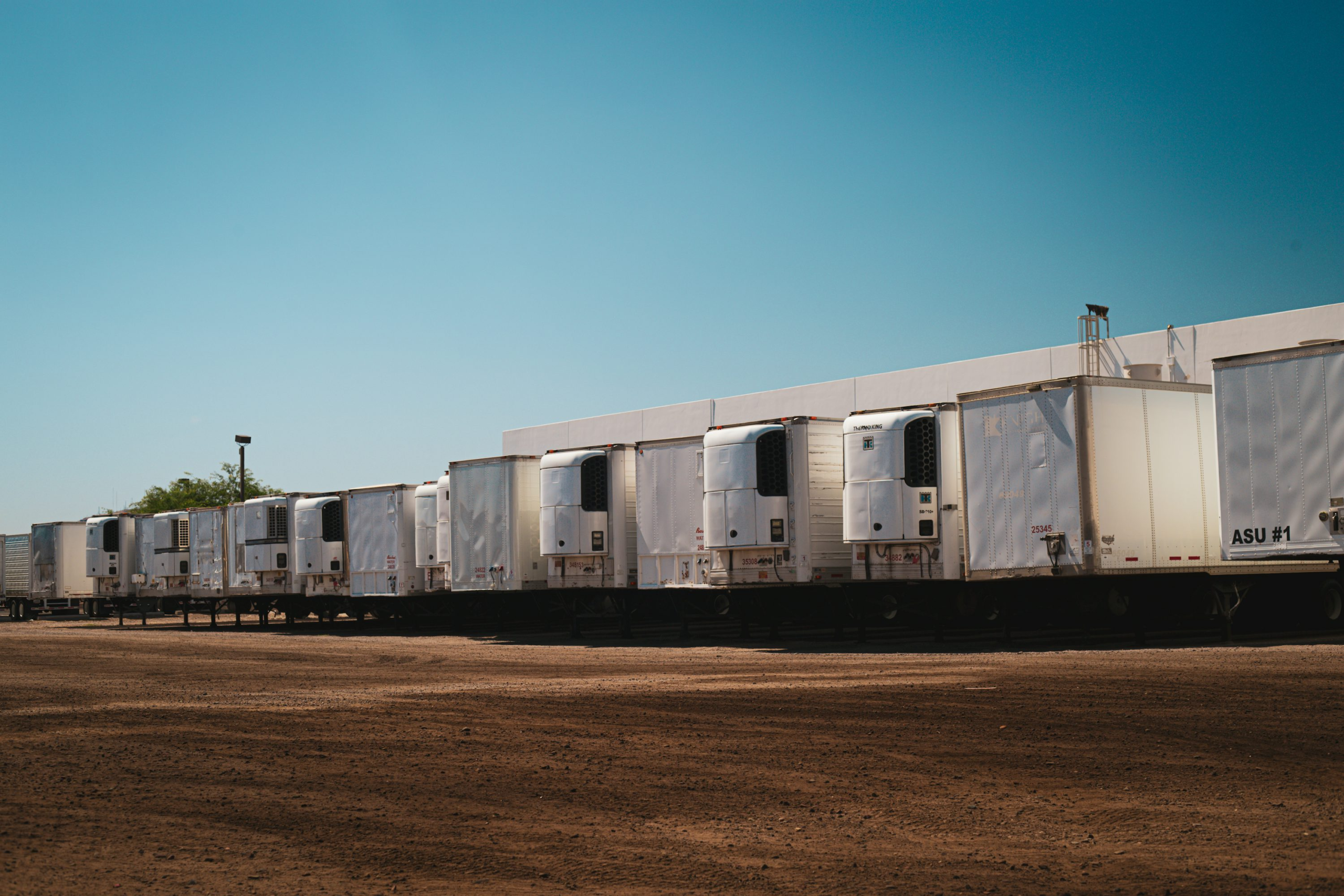
Circle Logistics is expanding refrigerated less-than-truckload services for food and beverage customers, giving shippers with smaller temperature-controlled consignments an alternative to buying an entire reefer trailer.
The service combines compatible shipments into shared refrigerated capacity rather than requiring each customer to tender a full truckload. For producers and distributors moving pallet-scale volumes, that can improve trailer utilisation and reduce the amount of unused space paid for on lanes where a dedicated vehicle is difficult to justify.
Refrigerated LTL is operationally more demanding than conventional dry LTL because consolidation has to preserve the temperature requirement of every shipment on the vehicle. Food cargo also brings tighter handling constraints, delivery windows and traceability requirements, making carrier selection and execution as important as the nominal transport rate.
Circle already provides temperature-controlled transport across produce, frozen foods, meat, seafood, beverages and selected dairy movements. Its wider food and beverage operation uses reefer equipment alongside dry van, bulk and other modes, with temperature-monitored transit and carrier vetting forming part of the service model.
The economic attraction of LTL is straightforward. A manufacturer shipping six pallets does not necessarily need the capacity of a complete trailer, but conventional parcel or dry-LTL networks are unsuitable for products that must remain within a specified temperature range. Consolidating several compatible consignments can spread the cost of the tractor, driver, refrigeration unit and line-haul mileage across more freight.
That efficiency can disappear if the consolidation creates excessive handling or delay. Every additional stop creates another point at which trailer doors may be opened, schedules can slip or freight can be mishandled. Reefer LTL therefore depends on disciplined routing and compatible pickup and delivery requirements rather than simply filling empty cubic space.
Temperature is only one compatibility factor. Frozen goods, chilled products and ambient food cannot automatically share the same operating conditions, while some cargoes may be sensitive to humidity, odour or contamination. Pallet dimensions and weight also affect whether a proposed consolidation can be loaded without compromising airflow through the trailer.
Circle’s broader cold-chain operation uses real-time tracking, carrier verification and fraud and compliance controls. The company has previously detailed checks covering driver identification, tractor information and carrier credentials before sensitive loads are released, alongside monitoring of food and beverage freight while it is in transit.
Those controls have additional value in an LTL environment because several customers can have cargo on the same vehicle. A service failure affecting one trailer can expose multiple consignments simultaneously, increasing the importance of knowing which carrier, driver and equipment are actually performing the movement.
Shipment visibility is also important for appointment planning. Food manufacturers and distribution centres frequently operate fixed receiving windows, and a delay on an early stop can cascade through the remaining deliveries. A shared-load model needs active exception management so later customers can adjust labour or dock plans before the vehicle arrives.
Reefer LTL can reduce the pressure to hold shipments until enough volume has accumulated for a full truck. That can be useful for smaller producers, seasonal items and regional distribution programmes where waiting to fill a trailer would consume too much shelf life or create excess inventory at origin.
The trade-off is network density. Consolidation economics improve when a 3PL can combine several compatible shipments on similar lanes and dates. A provider may advertise refrigerated LTL across a broad geography, but the most efficient service will normally emerge on corridors where recurring food and beverage volume supports practical multi-stop routes.
Circle operates across the United States, Canada and Mexico and says it manages roughly 33,000 loads each month across its wider freight operation. That network provides a base from which to identify repeatable reefer lanes, although the company has not disclosed specific volumes, route counts or customer commitments for the expanded LTL offer.
The expansion follows earlier investment in Circle’s cold-chain services. In April the company said it was broadening its network of temperature-controlled carriers, real-time shipment tracking, proactive monitoring and compliance support. In August it provided further detail on the carrier-verification controls used for middle-mile food and beverage freight.
For shippers, the practical test will be whether shared refrigerated capacity is available consistently on the lanes and days when it is needed. Savings from consolidation have limited value if a customer has to delay a shipment until enough compatible freight is assembled or accept extra handling that increases temperature or damage risk.
Performance data will therefore determine whether the expanded offer becomes a repeatable alternative to full truckload. Load density, temperature excursions, claims, on-time delivery and lane availability will show whether Circle can convert spare reefer capacity into a reliable LTL product without weakening the cold-chain controls its customers require.