IN Brief:
- AE5, AE11, AE12 and ME2 are returning to trans-Suez routing.
- The change expands Gemini’s gradual reversal of selected Cape of Good Hope diversions.
- Further network changes remain dependent on security conditions in and around the Red Sea.
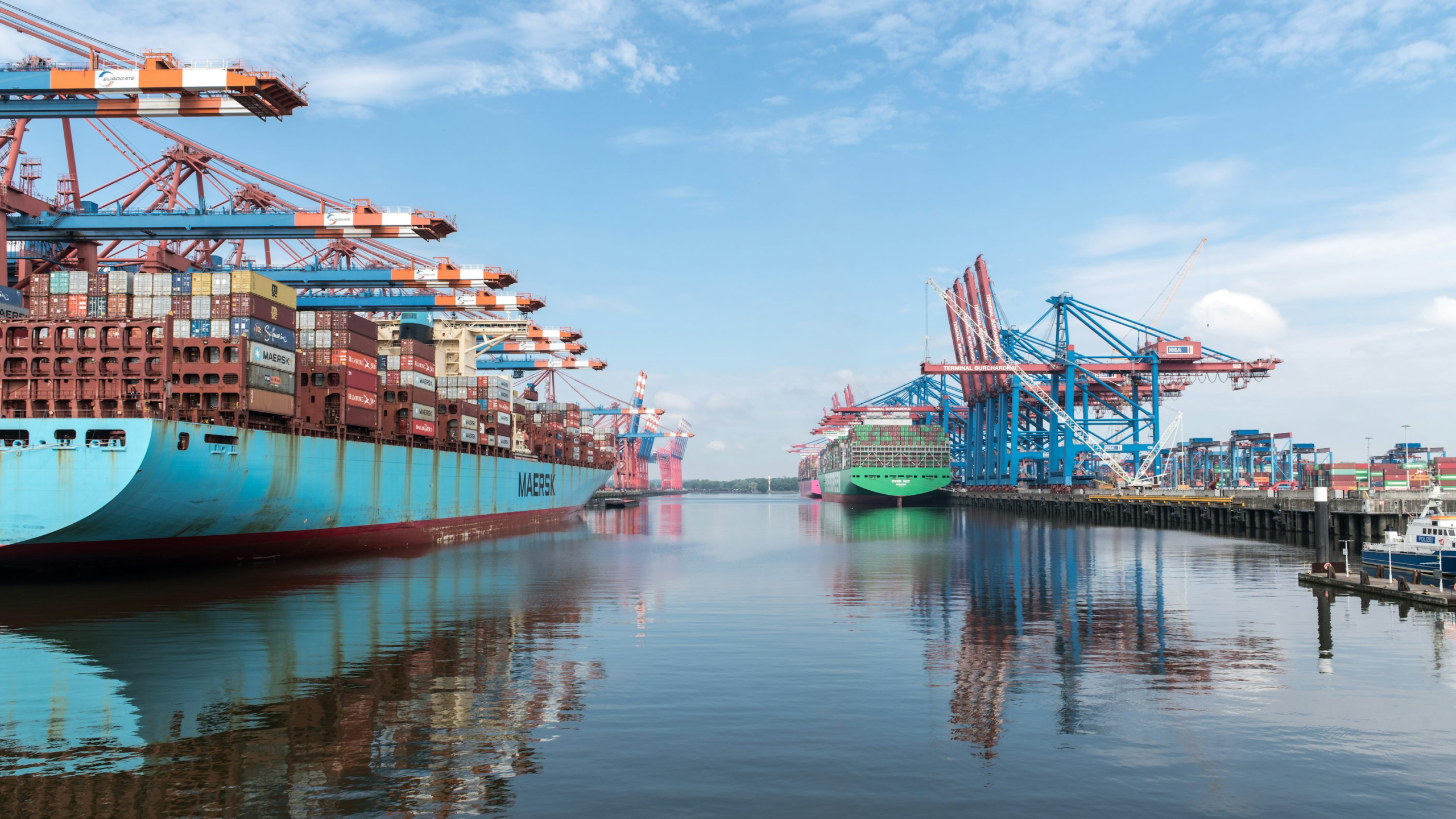
Maersk and Hapag-Lloyd are returning four additional Gemini Cooperation container services to the Suez Canal, extending their gradual move away from Cape of Good Hope diversions on selected routes.
The services are AE5, AE11, AE12 and ME2. Routing them through the Red Sea and Suez shortens the Asia–Europe voyage compared with sailing around southern Africa, reducing distance and potentially improving transit times and vessel utilisation. Further changes remain dependent on security conditions in and around the Red Sea.
The latest step follows earlier Gemini changes during 2026, including the return of individual services to trans-Suez operation. The carriers have avoided restoring the full East–West network in one move, instead adjusting loops separately as their security assessments permit.
Cape routing adds distance to Asia–Europe services and keeps vessels occupied for longer. A longer round trip increases fuel consumption and means more vessel days are needed to maintain a weekly schedule, tightening effective fleet capacity even when the number of ships owned or chartered by the carrier is unchanged.
A sustained return through Suez can reverse part of that penalty. Shorter voyages can release ship capacity, improve container-cycle times and reduce the amount of cargo held in transit. Those gains depend on the route remaining dependable enough for carriers to reduce contingency time and for shippers to plan inventory around the shorter schedule.
The addition of four services broadens the network effect because it changes several loops rather than a single sailing. Ports, forwarders, feeder operators and inland logistics providers connected to AE5, AE11, AE12 and ME2 will all need to work with revised arrival patterns as the services move back to the shorter corridor.
The decision follows an earlier structural change to the AE19 service, which returned that loop through Suez in August. That move was presented as part of a gradual network restoration, and the addition of four more services makes the shift materially wider without amounting to a full return to pre-disruption routing.
Suez remains the shorter connection between Asian production centres and many European markets, so the route choice affects more than headline sailing time. It influences bunker consumption, vessel deployment, schedule buffers, equipment positioning and the number of ships required to maintain service frequency.
Those effects continue inland. When a voyage becomes shorter, importers may receive containers earlier and need less pipeline stock, but only if the published arrival window is reliable. Repeated changes between Suez and Cape routing can complicate warehouse bookings, feeder connections, road collections and production planning even when the average transit time improves.
Inventory policy is therefore likely to adjust more slowly than vessel routing. Manufacturers and retailers that increased safety stock during prolonged Cape diversions will be reluctant to remove that buffer after only a small number of successful trans-Suez sailings. Reliable operation over a longer period would give procurement and supply-chain teams more confidence to reduce contingency stock.
The carriers also retain an incentive to preserve operational flexibility. A deterioration in regional security could force another diversion, and network planners need enough vessel and timetable margin to absorb that change without destabilising every connected service. Restoring the shortest route while retaining contingency capacity is less efficient than a fully normalised network, but it reduces the cost of switching again if conditions worsen.
Earlier this year, Maersk said its MECL service could save about seven days westbound and 14 days eastbound by returning to trans-Suez routing. The exact saving varies by rotation, ports and direction, but the comparison illustrates how strongly a Cape diversion can affect voyage duration on some trades.
Container equipment is another part of the equation. Longer round trips keep boxes away from origin markets for more time, increasing the number required to support a given volume of cargo. Shorter voyages can improve equipment circulation, although port congestion or inland delays can absorb part of that benefit after the vessel has arrived.
For cargo owners, the commercial gain will come from a combination of shorter and more predictable transit rather than from the canal passage itself. A seven-day theoretical saving is less valuable if arrival dates remain volatile, while a slightly slower service can still support leaner inventory when its schedule is dependable.
Gemini’s latest routing changes therefore widen the return to Suez while keeping the network deliberately reversible. The next evidence will come from schedule reliability across AE5, AE11, AE12 and ME2 and from whether further loops follow them, showing whether the carriers can reduce Cape-related buffers without rebuilding them after another security-driven diversion.