IN Brief:
- CMA CGM Pantheon has made its first Southampton call during its maiden Asia–Europe deployment.
- The 24,212-TEU vessel is the second of ten ships in CMA CGM’s new 24,000-TEU series.
- Ultra-large vessel exchanges place additional demands on berth productivity, yard management and inland container flows.
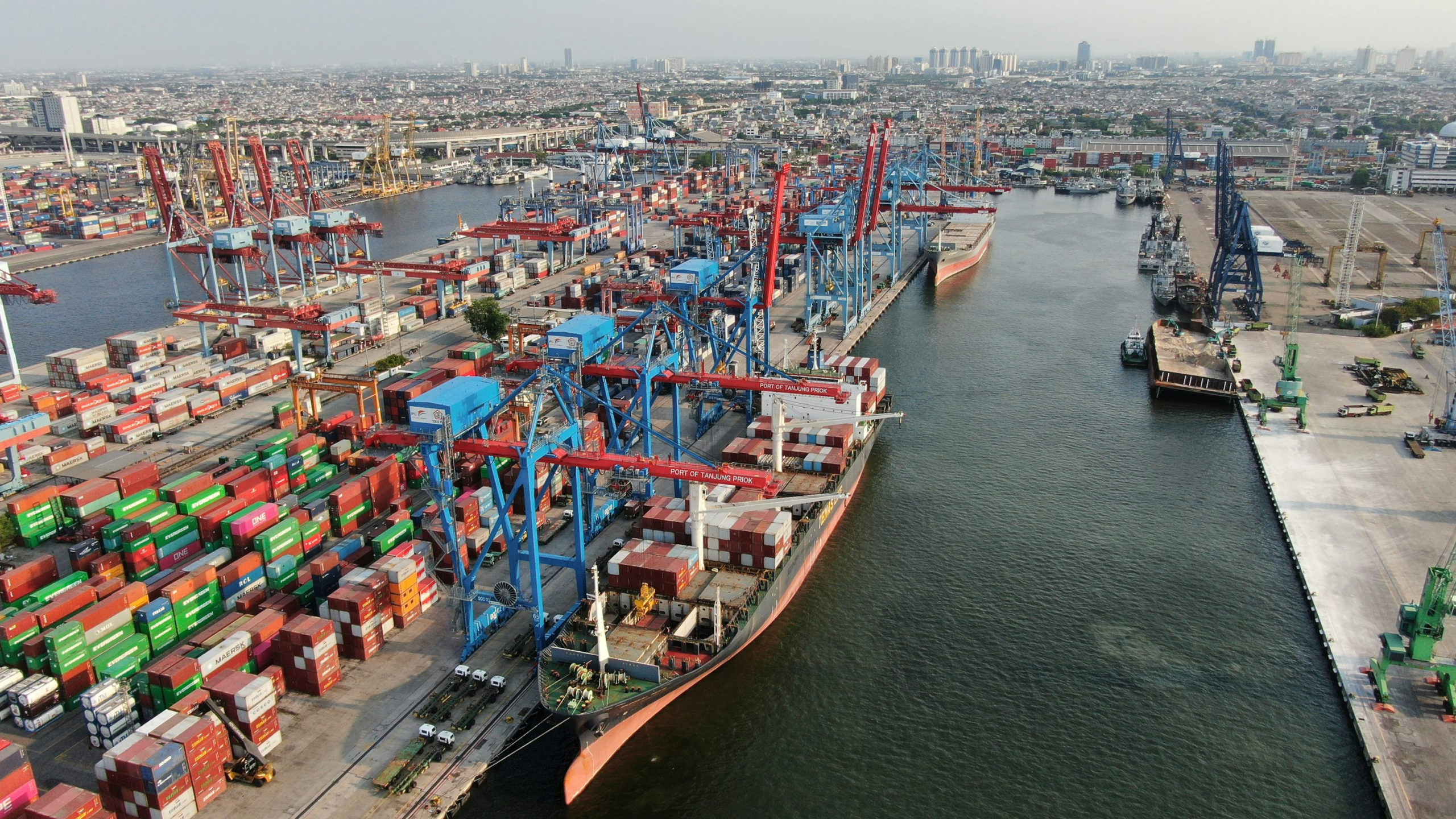
CMA CGM has brought the 24,212-TEU CMA CGM Pantheon to Southampton on its first UK call, placing one of the carrier’s newest ultra-large container ships into a port handling direct services across several major trade lanes.
Pantheon entered service in May 2026 and is the second of ten new vessels in CMA CGM’s 24,000-TEU series to be registered under the French flag. The ship is approximately 399 metres long and 61.3 metres wide and is deployed on the carrier’s French Asia Line linking Asian and European ports.
The vessel is designed to operate on liquefied natural gas and is also compatible with bio-LNG and future synthetic methane. CMA CGM is expanding the number of ships in its fleet able to use alternative marine fuels as it prepares for tighter emissions requirements and a less predictable fuel market.
The immediate operational issue at Southampton is the concentration of cargo created by a ship of Pantheon’s size. A vessel carrying more than 24,000 TEU does not necessarily discharge its entire capacity at one port, but even a partial exchange can generate thousands of container moves during a single call.
That concentrates work across berth planning, ship-to-shore cranes, yard equipment and terminal storage. Productivity depends on maintaining enough crane moves per hour to keep the vessel on schedule while positioning import boxes so they can be collected without obstructing export and transhipment traffic.
CMA CGM operates five offices and 17 direct weekly services across 11 UK ports, with Southampton forming one of its principal deep-sea gateways. The port connects ocean services with road and rail flows serving warehouses, retailers and industrial sites further inland.
The size of modern container vessels therefore shifts part of the efficiency challenge away from the ship itself and into the landside network. Ultra-large vessels can reduce the unit cost of the ocean leg when they sail at high utilisation, but those savings depend on ports processing larger cargo peaks without extending berth stays or creating congestion behind the terminal gate.
Inland capacity becomes particularly important after a large import exchange. Thousands of containers can become available within a relatively short period, requiring sufficient haulage appointments, train slots, depot capacity and distribution-centre receiving windows. Delays at any of those stages can leave containers occupying terminal space needed for the next ship.
Exporters face the reverse timing problem. A larger vessel can offer substantial capacity on a single sailing, but cargo still has to reach the terminal before the closing window. Missing one departure can mean a longer wait for the next suitable service, making dependable inland transport and booking discipline important even when nominal ocean capacity is plentiful.
The use of LNG adds another layer to the operating model. The fuel can reduce several local air pollutants compared with conventional marine fuels, while bio-LNG and synthetic methane could lower lifecycle greenhouse-gas emissions if they are produced from appropriate feedstocks and supplied at commercial scale.
Fuel capability alone does not determine a voyage’s emissions. The result depends on what fuel is actually bunkered, how it is produced and the extent of methane leakage through the supply chain and onboard machinery. A vessel described as LNG-powered can therefore have a different emissions profile from voyage to voyage.
Alternative-fuel availability also has to grow alongside the fleet. A ship capable of using bio-LNG or synthetic methane gains limited benefit if those fuels cannot be supplied reliably at the ports on its rotation. Carriers, fuel producers and terminals consequently have to develop supply arrangements in parallel with vessel orders.
The ten-ship programme will add substantial nominal capacity at the top end of CMA CGM’s fleet. Each vessel can carry more than 24,000 TEU, but additional slots translate into useful supply-chain capacity only when demand, terminals and inland infrastructure can absorb them. Oversupply at sea can depress rates, while insufficient port productivity can turn scale into longer dwell rather than lower cost.
Southampton’s performance will therefore be judged on familiar measures rather than vessel size alone: berth time, crane productivity, schedule reliability and the speed at which containers move into and out of the terminal. Those figures determine whether economies achieved on the ocean leg continue through the rest of the chain.
More vessels from CMA CGM’s 24,000-TEU series will enter service as the programme progresses. Pantheon’s Southampton call is therefore less an isolated size milestone than another example of the operating pattern major European gateways increasingly need to support as ultra-large ships become routine on Asia–Europe trades.