IN Brief:
- Supply chain elasticity is becoming a daily operating discipline across logistics, warehousing, fulfilment, and retail networks.
- The issue examines subscription logistics, real-world AI, warehouse automation, data quality, supplier cyber risk, returns, and omnichannel operations.
- Resilience increasingly depends on cleaner data, adaptable teams, stronger supplier oversight, and systems that can respond before pressure becomes failure.
The May/June edition of IN Supply is now live, led by a practical question that keeps returning to warehouses, fulfilment teams, procurement desks, and retail operations: how much stretch does a modern supply chain really have?
Supply chain elasticity is often discussed as a response to sudden shocks, yet this issue treats it as a daily operating discipline. The pressure is visible in subscription logistics, where demand can surge, pause, and drift away faster than static planning models can follow. It is visible in retail AI programmes, where strong pilots still struggle if inventory data, organisational design, and execution systems remain disconnected.
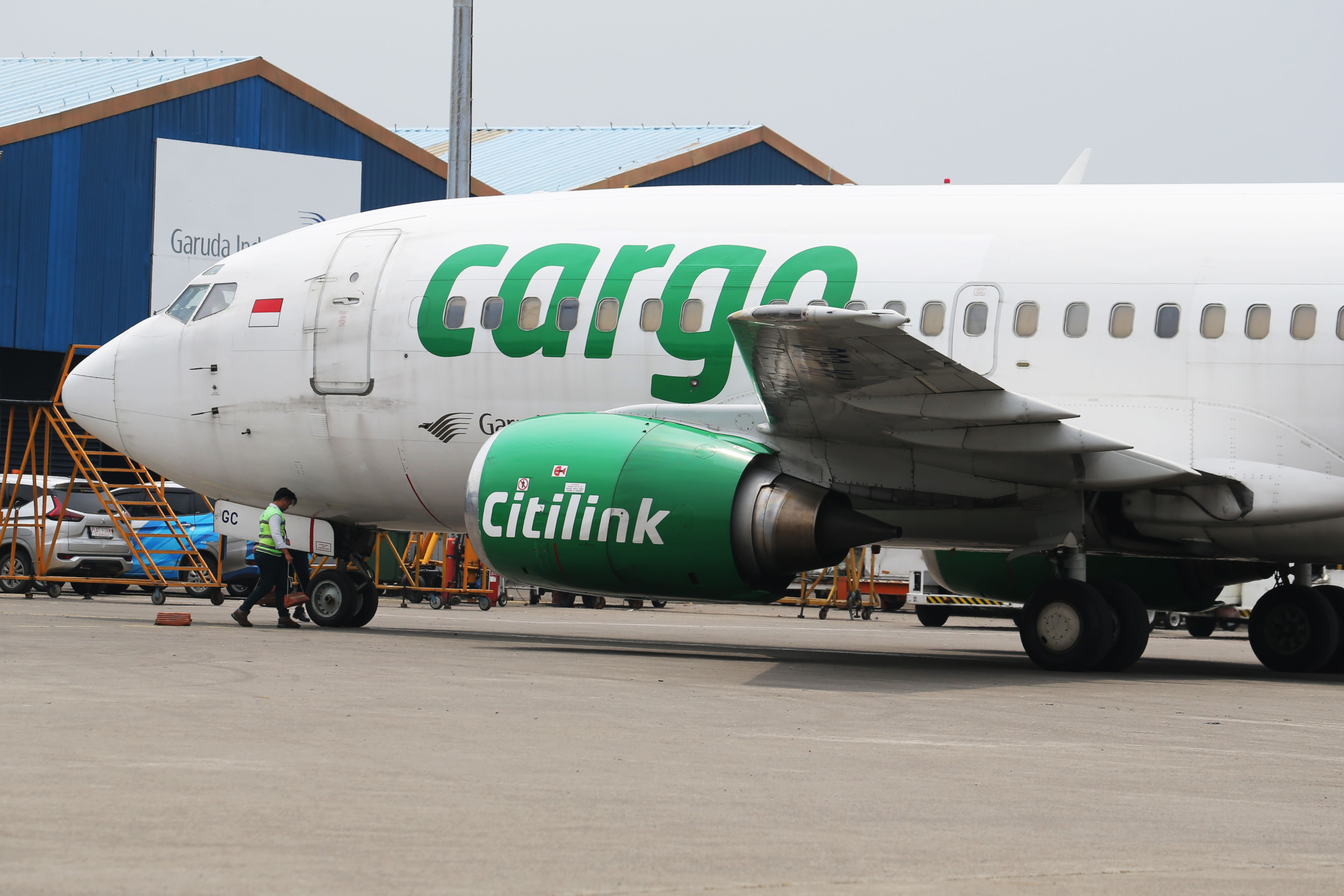
It is also visible in cybersecurity, returns management, and omnichannel fulfilment, where risk and cost increasingly move through supplier networks, post-purchase journeys, and fragmented data environments. Even the news pages, from heavyweight air freight to robot-led inventory visibility, reflect the same mood: speed is useful only when the operating picture is trustworthy.
The result is an issue about adaptation rather than noise. Across logistics, warehousing, procurement, and retail operations, resilience is becoming less about waiting for disruption and more about building systems, teams, and data foundations that can move cleanly before pressure turns into failure.
Read a preview below, or subscribe to read the full magazine here.