IN Brief:
- The McDonough operation represents a multi-year investment of US$170m.
- The 1.1m ft² building will create 160 jobs and open in late 2026.
- Highline Warren expects to reach 95% of the US population within two days.
Highline Warren will invest US$170m in a logistics and operations centre in McDonough, Georgia, expanding its North American distribution network and creating 160 jobs.
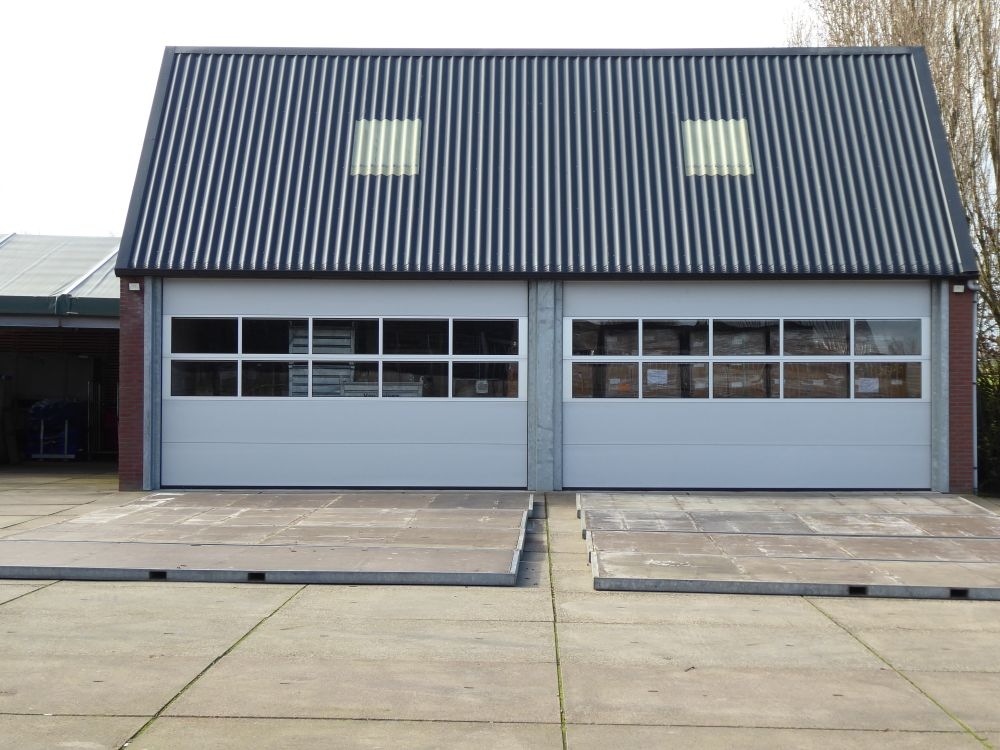
The facility will occupy more than 1.1m ft² at 830 Highway 42 South, within a building previously operated by furniture manufacturer Zinus. Operations are scheduled to begin in late 2026, with recruitment starting during the second half of the year.
Highline Warren manufactures and distributes maintenance products for automotive, home, commercial, and industrial markets. Its portfolio includes more than 30,000 consumable items spanning fluids, chemicals, filters, cleaning products, and related equipment.
The company employs approximately 1,700 people and operates 21 distribution and manufacturing facilities across North America. More than 10,000 customers receive products from over 400 national, owned, and private-label brands.
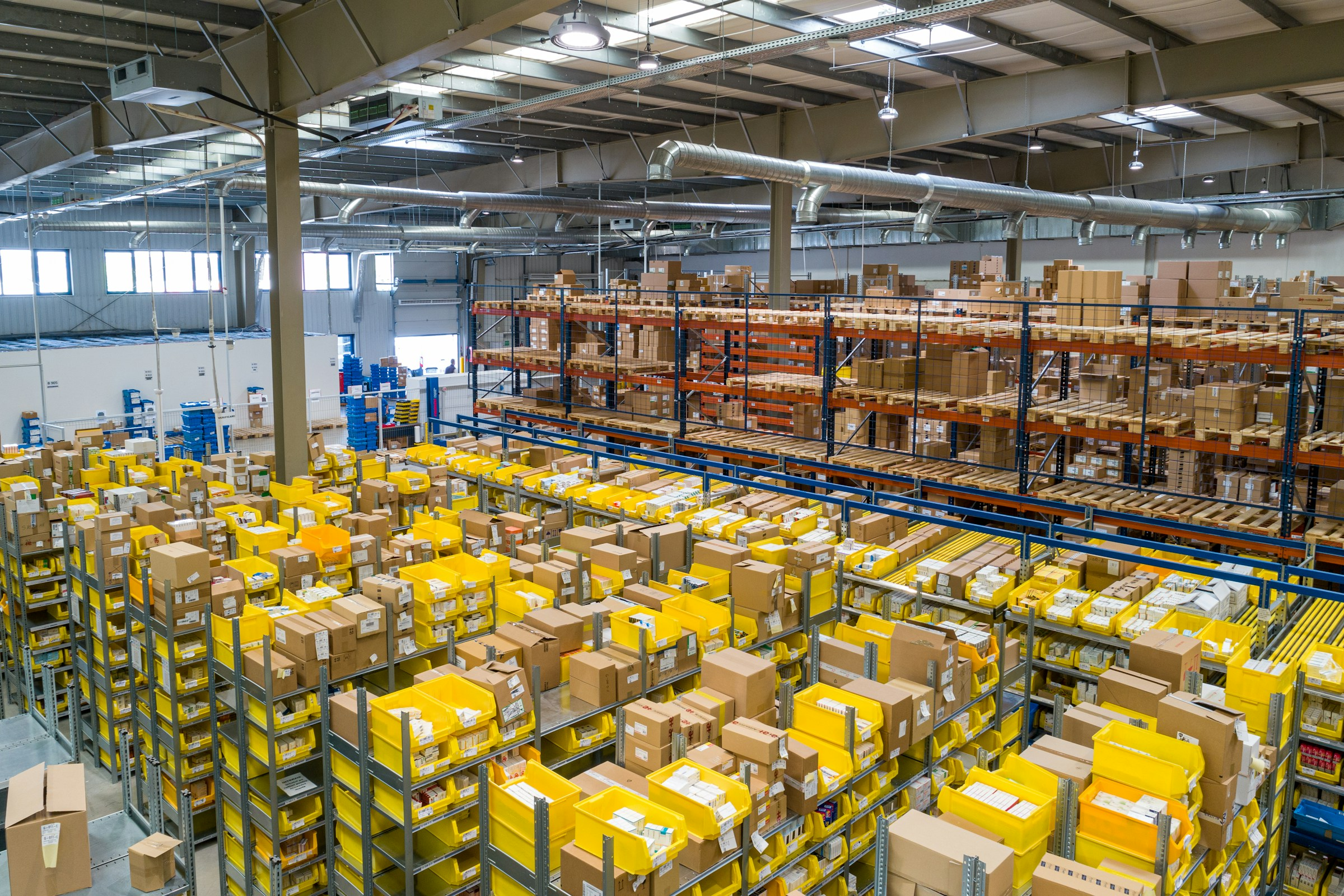
Advanced infrastructure and operational technology will be installed inside the McDonough building, increasing capacity for inventory, order processing, and outbound distribution. Highline Warren expects the expanded network to reach approximately 95% of the US population within two days.
The Georgia location also introduces an East Coast port of entry to the company’s network. Imported products and raw materials will be able to move through Savannah and into the south-eastern distribution system without first travelling from an established gateway elsewhere in the country.
Using an existing building provides a faster route to operation than a ground-up development, although fitting more than one million square feet for a complex product portfolio will still require substantial work across racking, material handling, systems, safety, and utilities.
A broad product range rewards pooled inventory
Distributing more than 30,000 consumable items creates a different network challenge from handling a narrow range of finished products. Demand is spread across fast-moving lines, seasonal goods, specialist chemicals, filters, and long-tail products that sell less frequently but remain essential to individual customers.
A large regional hub can pool that stock and reduce the need to duplicate every line across several smaller facilities. Larger inbound shipments can also be consolidated before inventory is allocated across customer and regional demand.
Concentration increases the operational consequences of an outage. A building holding a substantial share of network inventory requires resilient power, fire protection, systems recovery, alternative transport arrangements, and carefully planned business continuity.
Automotive fluids and chemicals introduce controls beyond those applied to standard dry goods. Storage segregation, spill containment, fire systems, documentation, and transport compliance must be incorporated into slotting and warehouse processes.
Manufactured products must also be coordinated with goods sourced from external suppliers, private-label programmes, and national brands. Inventory accuracy and traceability become more demanding when several sourcing models feed the same customer order.
Georgia’s freight infrastructure supports the scale of the investment. The Brampton Road Connector at Savannah has created a more direct route between Garden City Terminal and the interstate network, reducing local-road movements and railway crossings for port trucks.
McDonough lies within the Atlanta logistics market, providing access to interstate highways, labour, parcel networks, and regional trucking capacity. The location can support inbound flows from Savannah alongside outbound distribution throughout the south-east.
Two-day geographic coverage does not guarantee two-day service, since orders must still be received, picked, packed, and inducted into parcel or less-than-truckload networks before daily cut-offs. Large floor area can increase travel and handling unless the layout reflects product velocity and order composition.
Automation and software must therefore be matched to a portfolio containing different container sizes, handling rules, and sales patterns. A system designed around uniform cases may perform poorly when products range from small filters to drums and chemical containers.
The existing Highline Warren network will need to remain stable while inventory and customers migrate into McDonough. Phased transfer, duplicate stock, systems testing, and carrier transition will carry additional cost but reduce the risk of service disruption.
The Georgia investment reflects a wider movement towards fewer, technology-enabled hubs capable of serving large territories. Its performance will be measured through inventory availability, delivery reliability, and the ability to absorb more volume without allowing scale to increase complexity.