IN Brief:
- Elis is introducing 140 new DAF rigid vehicles across its UK logistics operation.
- The rollout includes 53 vehicles in 2026 and a further 87 in 2027.
- The specification includes DVS-related safety features, rear radar detection, wet-lay flooring, and internal sanitiser capability.
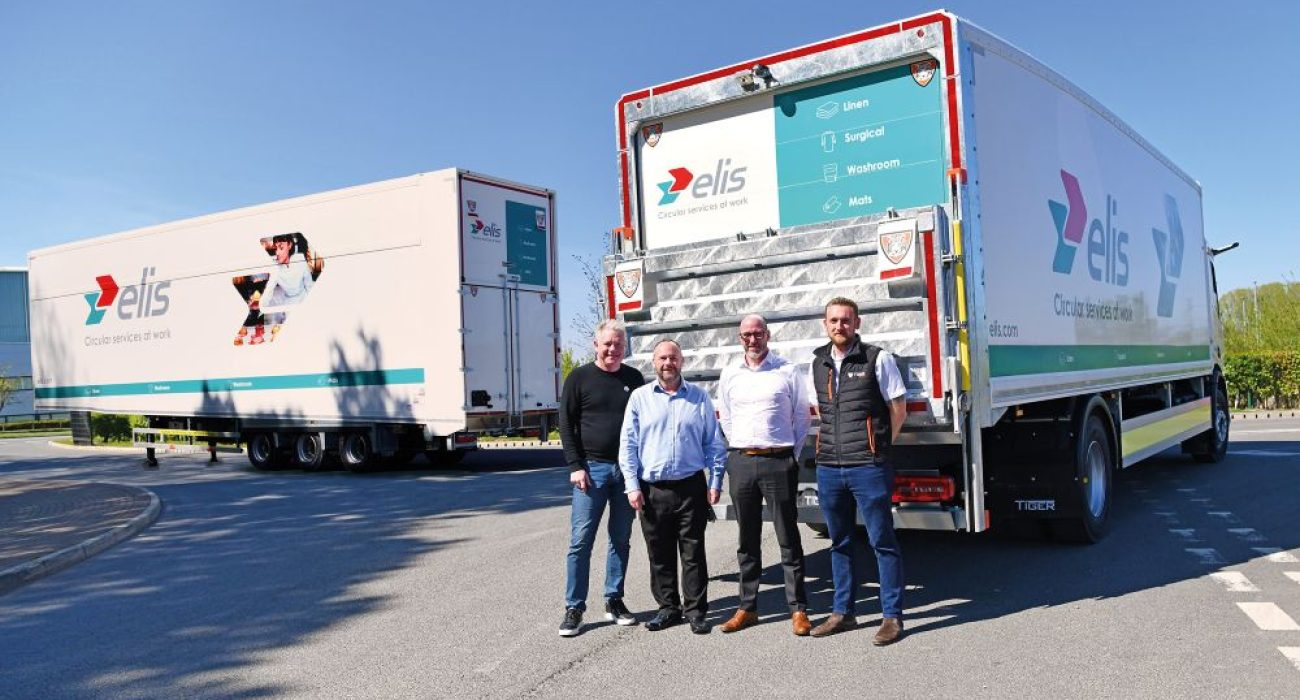
Elis is expanding its UK fleet with 140 new DAF rigid vehicles supplied by Ford & Slater and built in partnership with Tiger Trailers.
The vehicles will be introduced over two years, with 53 rigid bodywork solutions entering service in 2026 and a further 87 due in 2027. The programme covers 7.5-tonne, 12-tonne, and 18-tonne categories in several body lengths, supporting collection and delivery across Elis’ UK network.
Elis supplies and maintains workwear, linen, floor mats, and washroom solutions for businesses in sectors including hospitality, healthcare, and industry. Its transport operation handles high-volume service items that must be collected, processed, redistributed, and returned through dense route networks.
From the second quarter of 2026, Elis will switch from DAF XB models to DAF XD 260 FA chassis. The move is intended to secure a three-star Direct Vision Standard rating while adding updated safety and driver technology.
The Tiger-built rigid bodywork specification includes a high-impact side rave to protect bodywork in tight operating environments, Anchorfix side panel features to reduce internal load-securing damage, a heavy-duty Dhollandia tail-lift with power closure and steel platform, and a sloping rear body profile designed to improve aerodynamics and fuel efficiency.
Safety equipment includes BackWatch rear radar detection as part of London Direct Vision Standard compliance, Durite’s Red Halo warning light to create a red arc at the rear of the vehicle, and wet-lay flooring combined with an internal sanitiser system for damp hospital items.
The order also includes a third double-deck straight-frame trailer from Tiger Trailers, fitted with a full-length moving deck and non-slip flooring. The trailer is designed primarily for cages up to 1,700mm high, secured by LoadLok tracks, with a removable upper deck arrangement and hydraulic four-ram direct drive system.
Service-led logistics has a different operating profile from conventional pallet distribution. Routes can involve high stop density, mixed load profiles, hygiene requirements, time-sensitive returns, and repeated urban access constraints. Vehicle bodywork therefore has a direct effect on driver productivity, damage control, route reliability, and depot turnaround.
Urban compliance is also shaping fleet strategy. The same regulatory pressure can be seen in cross-border operations, where the EU van tachograph deadline is tightening the compliance window for many commercial vehicles above 2.5 tonnes. Elis’ investment sits within a wider shift towards vehicles specified around safety, visibility, data, driver management, and long-term operating flexibility.
Healthcare-related collection work raises the specification further, because damp hospital items and hygiene-sensitive loads cannot be treated as ordinary returns traffic. Sanitiser systems, wet-lay floors, robust tail-lifts, and protected bodywork support daily reliability in conditions where turnaround speed and contamination control both matter.
The staggered two-year rollout gives Elis room to align vehicles with regional requirements, depot needs, driver training, and chassis availability. It also reduces the risk of introducing a large fleet change in one operational step, which can create avoidable pressure around workshop capacity, route planning, and driver familiarisation.
The programme reflects how fleet procurement is becoming more specialised. The vehicle is no longer just transport capacity; it is a mobile operating environment shaped by compliance rules, bodywork engineering, cargo hygiene, route density, and driver safety. In service logistics, those details decide whether a fleet renewal improves resilience or simply replaces old assets with new ones.