IN Brief:
- Cainiao is opening a 26,000m² fulfilment centre in the Netherlands under a 10-year lease.
- The site will deploy more than 100 self-developed climbing robots for storage and retrieval.
- The facility strengthens Cainiao’s European B2B, B2C, and cross-border fulfilment network.
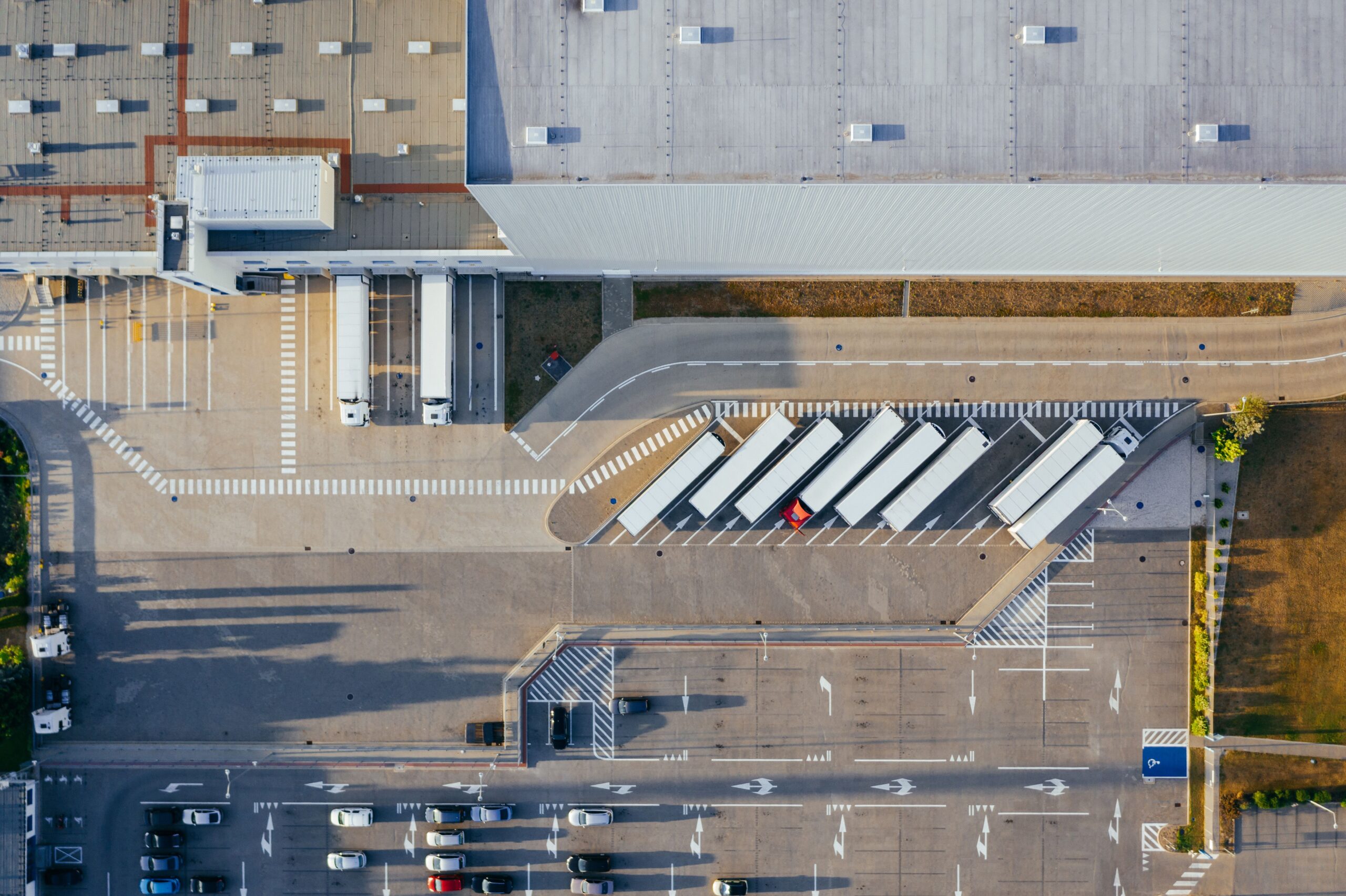
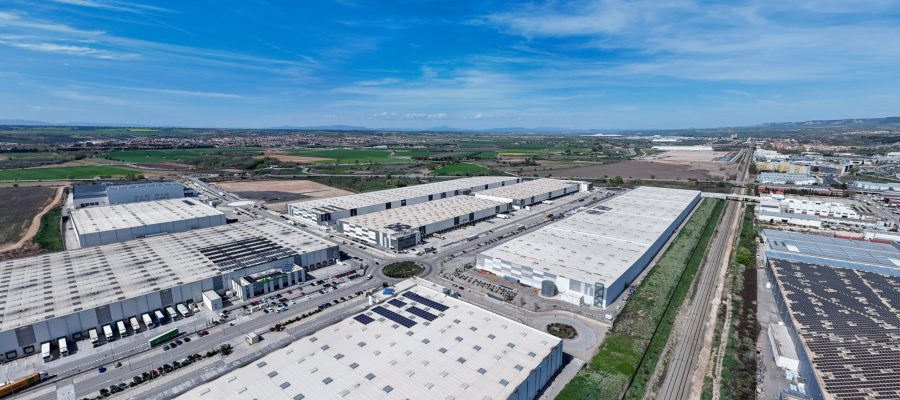
Cainiao is opening a 26,000m² fulfilment centre in the Netherlands, strengthening its European warehouse network with robotic storage and retrieval technology.
The facility has been secured under a 10-year lease and will support both B2B distribution and B2C order fulfilment. Its location provides access to the Port of Rotterdam and inland European transport links, giving Cainiao a stronger base for cross-border ecommerce and local fulfilment flows.
More than 100 self-developed climbing robots will be deployed at the site. The technology combines floor movement with vertical climbing and tote retrieval, allowing robots to move through warehouse aisles and climb racking to store or retrieve bins.
Cainiao has developed the technology through its ZeeBot platform, a rack-climbing robot designed to bridge the movement between horizontal warehouse transport and vertical storage. The system is intended to improve productivity, storage density, and deployment flexibility in fulfilment operations.
The Dutch centre follows wider plans to build a global network of robotic warehouses across Europe and the US. Cross-border ecommerce logistics is moving away from long, centralised export chains and towards inventory positioned closer to demand, where operators can reduce parcel lead times and absorb local market variation.
The Netherlands continues to attract European fulfilment investment because of its port access, airport connectivity, dense road network, and proximity to major consumer markets. Rotterdam gives Cainiao an inbound gateway, while the wider Benelux logistics corridor provides access to Germany, France, and other high-volume ecommerce destinations.
Storage density has become one of the defining constraints in ecommerce fulfilment. Operators need wider SKU availability close to consumers, but land, labour, and building costs make conventional expansion expensive. Robotic systems that improve vertical utilisation can increase usable capacity without requiring the same increase in floor area.
The Dutch automation cluster is already deepening, with DSV deploying around 100 Exotec robots at its Venlo hub. Cainiao’s investment adds to a broader concentration of robotic fulfilment activity in the Netherlands, where pan-European distribution, ecommerce, and cross-border stockholding all support the business case for automation.
Robotic storage systems still depend on disciplined warehouse foundations. Inventory data, inbound accuracy, replenishment logic, exception management, and carrier handover all need to be stable, because automation accelerates both good and bad processes. If stock data is unreliable or outbound transport cannot absorb faster picking, the bottleneck simply shifts to another part of the chain.
The balance between B2B and B2C activity will also be important. B2B flows often demand carton, pallet, or store-replenishment logic, while B2C fulfilment is shaped by parcel speed, returns, and order-level accuracy. Running both through one facility requires careful system design, labour planning, and storage configuration.
Cainiao’s Dutch site gives the company a stronger European platform for sellers that need stock inside the region rather than relying on direct parcel movements from Asia. As customs rules, airfreight costs, and consumer delivery expectations continue to put pressure on cross-border models, overseas fulfilment nodes are becoming more central to ecommerce strategy.
The project combines two major shifts in logistics: regional inventory positioning and warehouse robotics. The winners in cross-border fulfilment will be those able to place stock closer to demand while maintaining enough automation and system control to handle volatile order profiles without inflating operating costs.