IN Brief:
- Northern Marine Management will deploy Kaiko Systems’ digital inspection reporting platform across its managed fleet.
- The rollout begins with Shore Reports for shore-based inspection teams.
- The system is intended to improve reporting consistency, reduce administration, and speed up follow-up after vessel visits.
Northern Marine Management, part of the Stena Group, is implementing a digital inspection reporting platform from Kaiko Systems across its managed fleet following a pilot project.
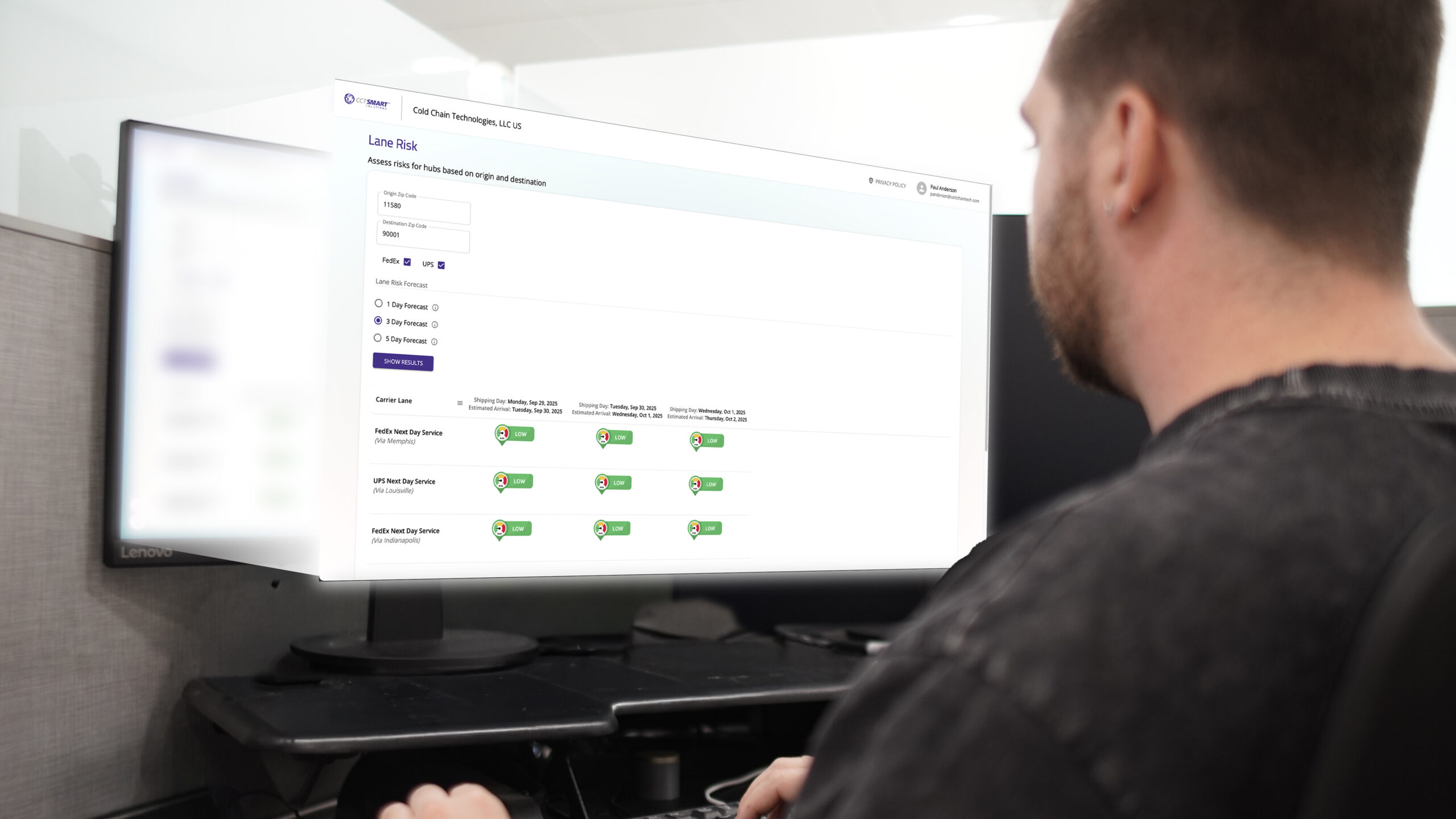
The rollout will begin with Kaiko’s Shore Reports solution, which gives shore-based inspection teams a structured digital workflow for recording observations and generating reports. The system is designed to improve consistency, reduce administrative work, and support timely reporting after vessel visits.
During the pilot, Northern Marine reduced the time required to create inspection reports. The platform allowed shore teams to produce documentation more efficiently while maintaining a consistent structure for inspection findings and follow-up activity.
Vessel inspection reporting generates large volumes of safety, maintenance, operational, and compliance information. When those records are inconsistent or slow to circulate, recurring issues can be harder to identify, corrective actions can fragment, and shore-side teams can lose visibility across the managed fleet.
Digital reporting platforms address that by standardising how observations are captured, categorised, and shared. A structured workflow can move inspection teams away from disconnected notes and manual documents towards comparable, searchable, and action-led reporting.
Fleet managers working across multiple vessel types and operating regions need that consistency because inspection data is only useful when it can be compared over time. Patterns in defects, overdue actions, recurring safety observations, or maintenance concerns can be missed when information is locked inside inconsistent reports.
The rollout is part of a broader move towards practical maritime digitalisation. Shipping has often seen large technology programmes struggle because they are too distant from daily work. Inspection reporting offers a more grounded use case: it targets an existing task, reduces administration, and improves the quality of information available to shore teams.
Documentation is also becoming more digital across maritime logistics, with electronic bill of lading access widening across container shipping. Inspection reports and bills of lading serve different functions, but both show the same operational drift away from manual, fragmented, and slow-moving documentation.
Better inspection data can support maintenance prioritisation, safety assurance, crew support, and performance management. It can also improve communication between ship and shore by reducing ambiguity around what was observed, what action is required, who owns it, and when follow-up is expected.
Adoption will depend heavily on usability. Inspection teams need tools that work in real operating environments, including variable connectivity, time pressure, and the physical constraints of vessel visits. A digital workflow that adds administrative steps will struggle, while one that reduces report-building time and improves follow-up discipline can gain traction quickly.
The value of digital inspection reporting sits in turning routine vessel visits into structured operational intelligence. Northern Marine’s rollout indicates a more specific phase of maritime technology adoption, where the focus is less on broad transformation language and more on making established processes faster, cleaner, and easier to act on.