IN Brief:
- Burlington has opened a 2m ft² automated distribution centre in Ellabell, Georgia.
- The facility includes more than 25 miles of conveyor, smarter sortation systems, workstations, and custom software.
- The site supports a wider supply chain expansion as Burlington grows its US store network.
Burlington has opened a 2m ft² automated, climate-controlled distribution centre in Ellabell, Georgia, adding major new capacity to its US retail supply chain.
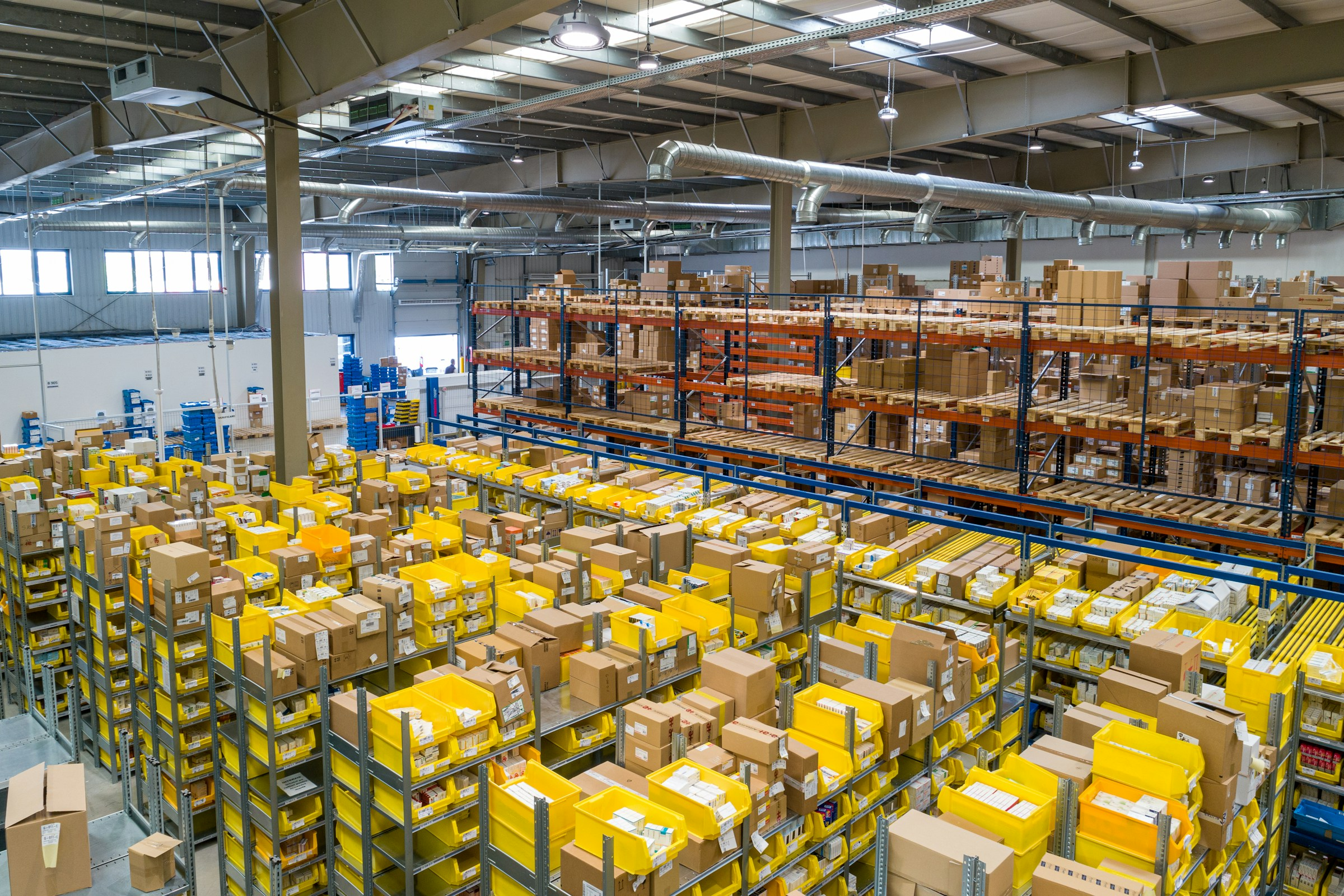
The facility includes more than 25 miles of conveyor and automation, including smarter sortation systems, workstations, and custom software. It has been designed to improve supply chain speed, throughput, and flexibility for Burlington’s off-price retail model.
The Georgia site is Burlington’s first distribution centre in the state and is expected to create around 1,500 jobs and career opportunities. The retailer currently operates seven distribution centres and is expanding its network to support store growth and faster product movement.
Burlington is also planning a 2m ft² automated distribution centre in Buckeye, Arizona, scheduled to become operational by fiscal year 2028. That site is expected to use advanced sorting systems and custom software as part of the same wider network modernisation programme.
Off-price retail creates a demanding logistics profile because merchandise flows are often opportunistic, assortment depth varies, and product needs to move quickly from receipt to store allocation. The supply chain must process diverse inbound goods, make rapid allocation decisions, and move stock before value is lost.
Automation helps control that variation. Conveyors, sortation systems, scanning, workstations, and custom software can support high-volume, mixed-SKU flows where accuracy and speed affect store presentation, replenishment cadence, and margin protection.
The climate-controlled specification also supports product integrity and working conditions in a very large facility. Once warehouses pass the 1m ft² mark, internal travel distance, heat, process layout, and labour planning become major design issues. Automation can reduce unnecessary movement only where building layout, software, and process discipline are properly aligned.
Network visibility is also attracting policy attention in the US, where the Department of Transportation is developing a supply chain visibility dashboard to connect logistics hubs with carriers, railroads, trucking companies, and retailers. Burlington’s Georgia investment tackles the same visibility challenge at the private network level, where yard activity, receiving, sortation, allocation, and outbound transport must operate with tighter control.
Custom software is a notable part of the project because physical automation only creates value when the decision layer is strong. Retail distribution depends on which product is prioritised, where it is allocated, when it leaves, how it is consolidated, and how exceptions are handled. Poor software logic can leave even highly automated facilities constrained by bad sequencing.
The project also fits a wider pattern of US retail logistics investment. Store-led retailers are still being influenced by ecommerce expectations, because customers now expect higher inventory availability, faster replenishment, and fewer gaps between online visibility and in-store stock. Distribution networks must therefore move faster even when the final sale still takes place in a store.
Burlington’s store growth adds pressure to that requirement. A network built for a smaller estate can become a constraint as geography widens, replenishment frequency rises, and inbound complexity grows. The Georgia and Arizona projects give the retailer additional regional capacity on both sides of the country.
The Ellabell facility shows how large retail distribution centres are becoming more technology-defined. Scale still counts, but the competitive advantage increasingly sits in sortation logic, software control, flexible labour processes, and the ability to move unpredictable merchandise through the chain without slowing the network.